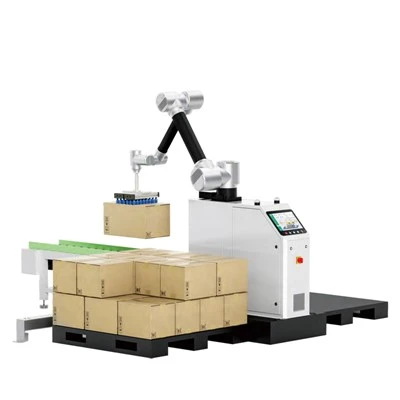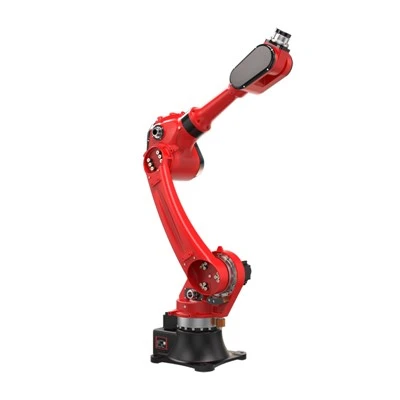


Hey there! I'm stoked to jump into one of the most frequently asked questions we get at our Robotic Case Palletizer supply business: "What is the maximum weight a Robotic Case Palletizer can handle?" It's a crucial question, especially when you're in the market for a palletizer that can meet your specific industrial needs.
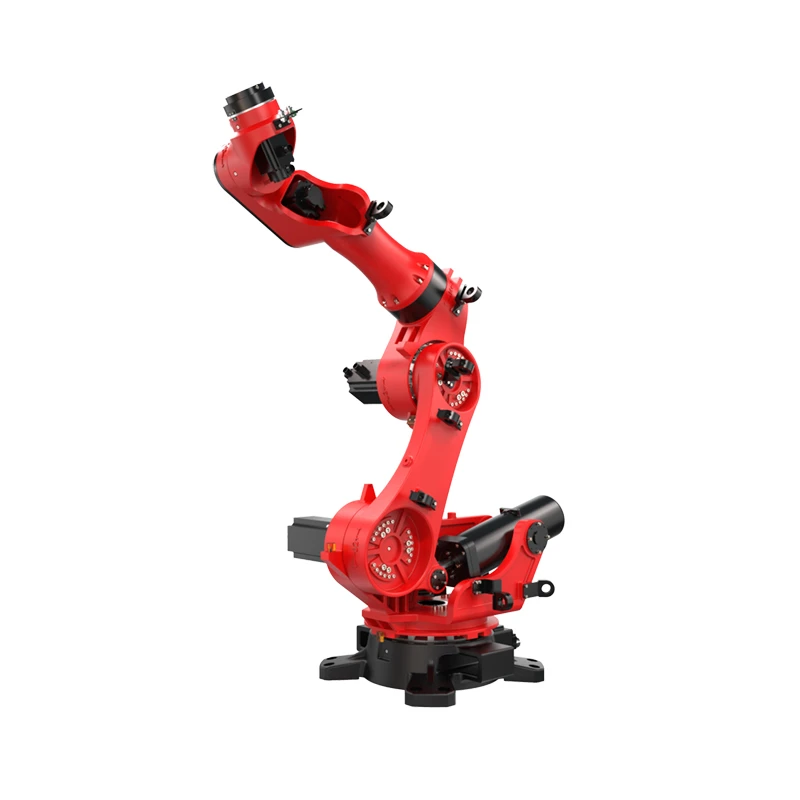
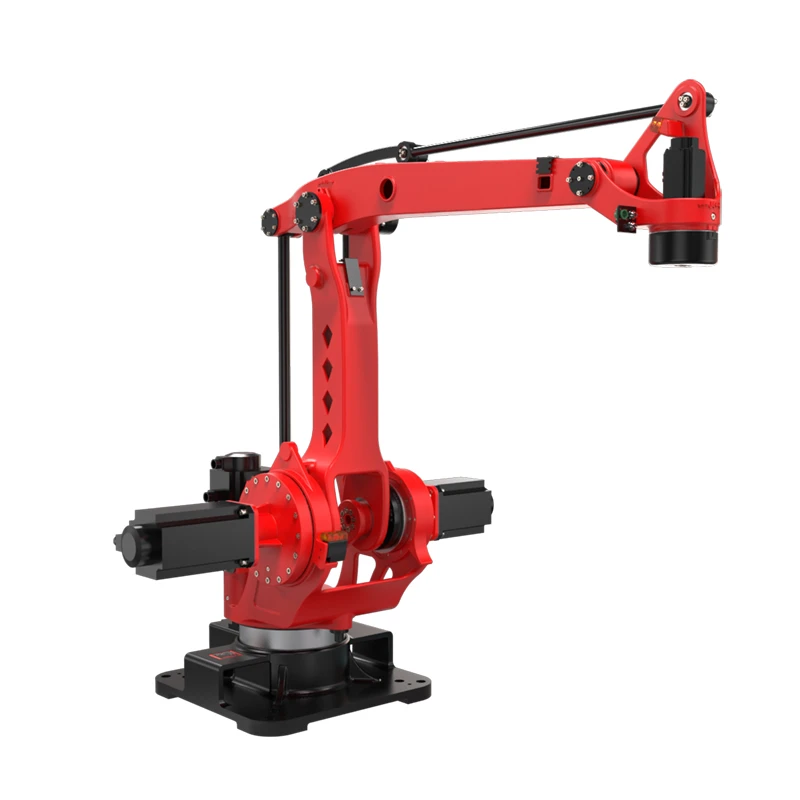
First off, let's talk a bit about Robotic Case Palletizers in general. These bad boys are game - changers in the industrial world. They automate the process of stacking cases onto pallets, which not only boosts efficiency but also cuts down on labor costs. Whether you're in the food and beverage industry, pharmaceuticals, or any other sector that involves shipping products in cases, a Robotic Case Palletizer can be a real asset.
Now, back to the main question. The maximum weight a Robotic Case Palletizer can handle varies quite a bit, and it depends on several factors. One of the biggest factors is the design and build of the palletizer itself. Different models are engineered to handle different weight capacities. Some of the smaller, more compact models might be designed for lighter cases, say up to 50 pounds. These are great for industries that deal with smaller, less heavy products, like some types of consumer goods or electronics components.
On the other hand, there are heavy - duty Robotic Case Palletizers that can handle much more weight. In fact, the high - end models we offer can handle weights up to around 1,100 pounds! That's a huge amount of weight, and it's perfect for industries that deal with large, bulky cases or heavy loads. For example, in the building materials industry, where you might have cases of bricks or large bags of cement, a high - capacity palletizer is a must.
Another factor that affects the maximum weight capacity is the type of end - effector the palletizer uses. The end - effector is the part of the robot that actually grabs and moves the cases. There are different types of end - effectors, such as suction cups, grippers, and clamps. Each type has its own limitations when it comes to weight. For example, suction cups might work well for lightweight, flat - surfaced cases, but they won't be able to handle extremely heavy loads. Grippers, on the other hand, can be designed to handle heavier weights, especially if they have a strong mechanical structure.
The speed at which you want the palletizer to operate also plays a role. Generally speaking, the faster you want the palletizer to work, the lower the maximum weight it can handle. This is because moving heavier weights at high speeds requires more power and can put additional stress on the robot's components. So, if you have a high - volume operation but don't need to move extremely heavy cases, you might be able to opt for a faster - paced, but slightly lower - weight - capacity palletizer.
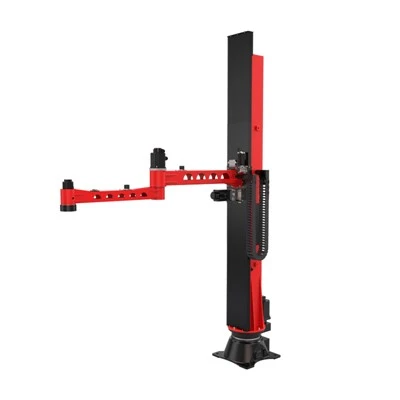
At our company, we offer a wide range of Robotic Case Palletizers to suit different needs. We've got the Column Palletizer, which is known for its stability and can handle a good amount of weight depending on the model. It's a great option for those who need a reliable, mid - range weight - handling solution.
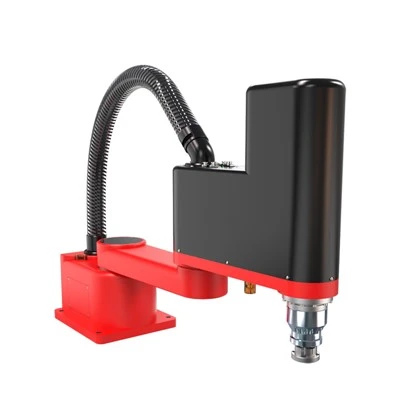
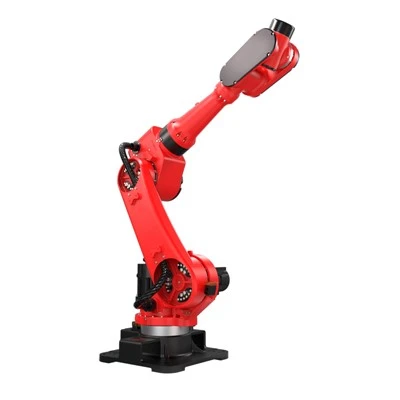
Then there's the Automated Palletizing Robot. This one offers a high level of automation and can be adjusted to work with different weight requirements. Whether you're dealing with light or heavy cases, this robot can be programmed to get the job done efficiently.
Our Robotic Case Palletizer series is designed with flexibility in mind. You can choose a model based on the maximum weight you need to handle, as well as other factors like the size of the cases and the layout of your facility.
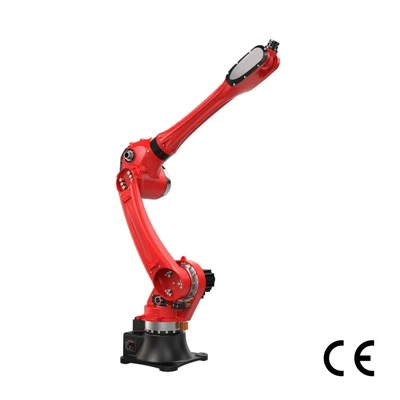
The Automatic Robotic Palletizer is another great option. It's fully automated and can handle a wide range of weights, making it suitable for various industries.
And if you're specifically dealing with box - shaped cases, our Box Palletizing Robot is tailored to meet those needs. It can handle different box sizes and weights, ensuring that your boxes are stacked neatly and securely on the pallets.
When you're considering which Robotic Case Palletizer to buy, it's important to do a thorough assessment of your needs. Think about the average weight of the cases you'll be handling, as well as the maximum weight you might encounter. Also, consider the production volume and the speed at which you need the palletizing to be done.
If you're still not sure which palletizer is right for you, don't worry! Our team of experts is here to help. We can provide you with detailed information about each model, including its maximum weight capacity, and help you make an informed decision.
If you're interested in learning more about our Robotic Case Palletizers or want to discuss a potential purchase, we're just a message away. We're always excited to have conversations with businesses looking to improve their palletizing processes.
In summary, the maximum weight a Robotic Case Palletizer can handle varies widely, from as little as 50 pounds to up to 1,100 pounds. It all depends on factors like the design of the palletizer, the type of end - effector, and the desired operating speed. With our wide range of products, we're confident that we can find the perfect solution for your business.
Contact us today to start the conversation and let's find the best Robotic Case Palletizer for your specific needs!
References:
- Industry reports on industrial robotics and palletizing technology
- Manufacturer's specifications of our Robotic Case Palletizers