

How do pick up robots pick up objects from a shelf?
In the world of modern industrial automation, pick up robots have emerged as indispensable tools for streamlining operations and enhancing efficiency. As a leading supplier of Pick Up Robot, we are constantly at the forefront of technological innovation, exploring the intricate mechanisms that enable these remarkable machines to perform the task of picking up objects from a shelf with precision and reliability.


Understanding the Basics of Pick Up Robots
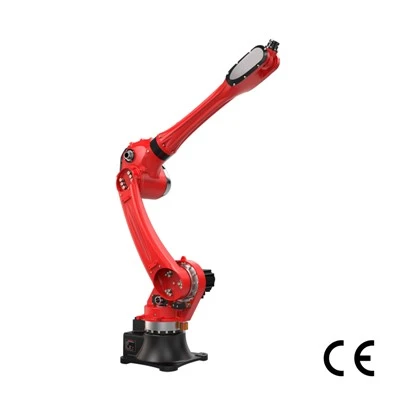
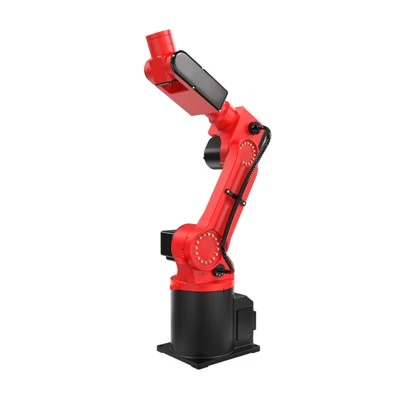
Pick up robots are designed to mimic the dexterity and speed of human hands, but with the added advantages of tireless operation, consistent performance, and the ability to work in harsh or dangerous environments. These robots are typically equipped with a robotic arm, end - effector, and a series of sensors that work in harmony to identify, grasp, and transfer objects.
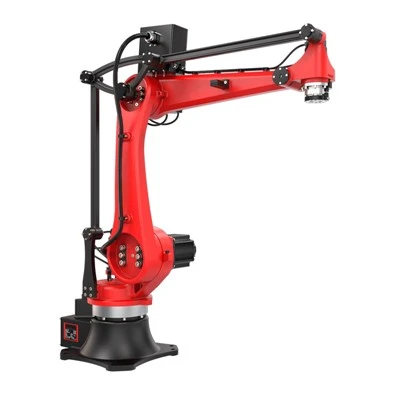
The Industrial Pick and Place Robot is a common type of pick up robot used in industrial settings. It is designed to handle a variety of objects, from small components in electronics manufacturing to heavy items in automotive plants. The robotic arm provides the necessary reach and range of motion, allowing the robot to access objects on different shelves at varying heights and distances. The end - effector, which is the part of the robot that directly interacts with the object, can take many forms, such as a gripper, vacuum cup, or magnet, depending on the nature of the object being picked.
Object Detection and Localization
The first step in the process of a pick up robot retrieving an object from a shelf is to detect and localize the object. This is where sensors play a crucial role. Vision sensors, such as cameras, are commonly used to provide a visual representation of the shelf and the objects on it. Advanced computer vision algorithms analyze the images captured by the cameras to identify the objects, their shapes, sizes, and positions.
For example, in a warehouse setting, a pick up robot may use a 3D vision system to create a detailed map of the shelf and the items stored on it. This 3D map allows the robot to accurately determine the location of each object in three - dimensional space, taking into account factors such as height, depth, and orientation. Laser scanners can also be used in conjunction with vision sensors to provide additional depth information and improve the accuracy of object detection.
Once the object is detected and its position is determined, the robot's control system calculates the optimal path for the robotic arm to reach the object. This path planning takes into account the physical constraints of the robot, such as the length and flexibility of the arm, as well as any obstacles that may be present on the shelf.
The Role of the End - Effector
The end - effector is the key component that enables the pick up robot to grasp and lift the object. Different types of end - effectors are used depending on the characteristics of the object. For example, a gripper is often used for objects with a solid and regular shape. Grippers can be designed to have different degrees of flexibility and force, allowing them to handle objects of various sizes and materials.
Vacuum cups are another popular choice for end - effectors, especially for flat and smooth objects. They work by creating a vacuum between the cup and the surface of the object, which generates a suction force strong enough to hold the object in place. Vacuum cups are often used in applications such as handling glass panels or electronic components.
Magnets are used when the object is made of a magnetic material. They provide a simple and effective way to pick up objects, and can be easily controlled by turning the magnetic field on and off.
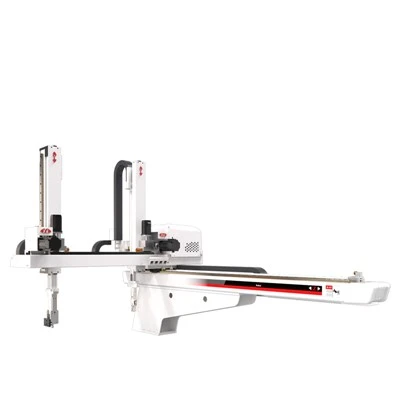
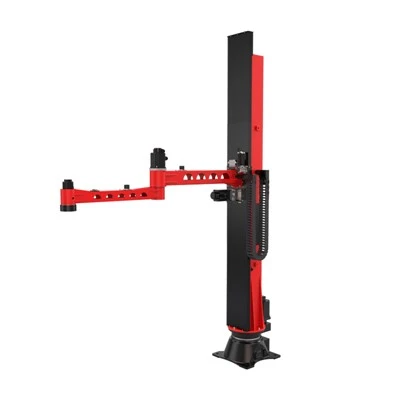
The Robotic Picking Arm is carefully engineered to work in conjunction with the end - effector. The arm moves the end - effector to the position of the object, and then the end - effector is activated to grasp the object. Once the object is securely held, the arm moves the object to the desired destination, whether it is another shelf, a conveyor belt, or a packaging station.
Adaptive Picking and Learning
In some cases, the objects on the shelf may not be in a uniform position or orientation. This requires the pick up robot to have the ability to adapt to different situations. Advanced pick up robots are equipped with adaptive control algorithms that allow them to adjust their grasping strategy based on the real - time feedback from the sensors.
For example, if a camera detects that an object is tilted or misaligned, the robot can adjust the position and orientation of the end - effector to ensure a successful grasp. Machine learning techniques are also being increasingly used in pick up robots to improve their performance over time. By analyzing a large number of picking operations, the robot can learn to recognize patterns and optimize its picking strategy for different types of objects.
Applications of Pick Up Robots in Shelf Picking
Pick up robots have a wide range of applications in industries where objects need to be retrieved from shelves. In e - commerce warehouses, these robots can significantly increase the efficiency of order fulfillment. They can pick items from shelves at a much faster rate than human workers, and can work continuously without breaks, reducing the time it takes to process orders.
In the food and beverage industry, pick up robots are used to handle delicate and perishable items. The precise control of the robotic arm and the soft grippers ensure that the products are not damaged during the picking process. In the pharmaceutical industry, pick up robots are used to pick and package medications, ensuring accuracy and compliance with strict safety standards.
Our Offering as a Pick Up Robot Supplier
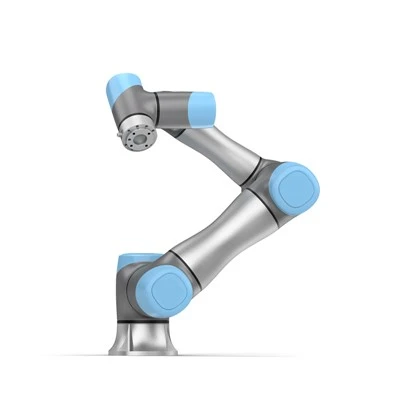
As a supplier of Pick Up Robot, we offer a comprehensive range of products to meet the diverse needs of our customers. Our Small Pick and Place Robot is ideal for applications where space is limited, such as in small - scale manufacturing plants or laboratories. These robots are compact, yet powerful, and can be easily integrated into existing production lines.
We also provide Pick and Place Industrial Robot for large - scale industrial applications. These robots are designed to handle heavy loads and can work in high - speed production environments. Our robots are equipped with the latest technology, including advanced vision systems, intelligent control algorithms, and reliable end - effectors, ensuring optimal performance and productivity.
Contact Us for Procurement and Consultation
If you are interested in learning more about our pick up robots and how they can benefit your business, we encourage you to get in touch with us. Our team of experts is ready to provide you with detailed information, answer your questions, and help you choose the right robot for your specific needs. Whether you need a robot for a small - scale operation or a large - scale industrial project, we have the solution for you. Let us work together to improve your efficiency, reduce costs, and enhance the competitiveness of your business.
References
- Smith, J. (2020). Industrial Automation: Robotics in Manufacturing. Wiley.
- Johnson, A. (2019). Vision - Guided Robots for Object Picking. IEEE Transactions on Robotics.
- Brown, C. (2021). Adaptive Control Strategies for Pick and Place Robots. Journal of Manufacturing Systems.