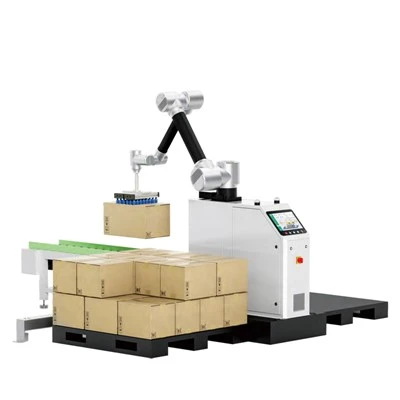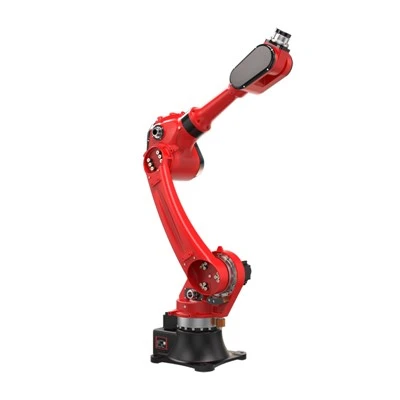


Hey there! As a supplier of Machine Tending Robots, I'm super excited to dive into how these amazing machines handle part sorting. It's a topic that's not only fascinating but also crucial in the industrial world.
First off, let me give you a bit of background. Machine Tending Robots are designed to automate the process of loading and unloading parts from machines. They're like the hard - working assistants on the factory floor, making sure everything runs smoothly and efficiently. You can check out more about them on our Machine Tending Robot page.
So, how do they handle part sorting? Well, it all starts with the sensors. These robots are equipped with a variety of sensors, such as vision sensors, proximity sensors, and tactile sensors. The vision sensors are like the robot's eyes. They can detect the shape, size, and orientation of the parts. For example, if you have a bunch of different - sized bolts, the vision sensor can quickly identify each one and tell the robot what to do next.
Let's say we're dealing with a CNC machining process. The CNC Tending Robot needs to sort the raw parts before loading them into the CNC machine. The vision sensor scans the parts on a conveyor belt or in a bin. It creates a digital image and then analyzes it using advanced algorithms. These algorithms can recognize patterns and features of the parts. If there are some parts with unique markings or shapes, the sensor can pick them out easily.
Proximity sensors also play a big role. They help the robot determine how close it is to the parts. This is important for accurate gripping. For instance, when the robot is about to pick up a part, the proximity sensor makes sure it doesn't hit the part too hard or miss it altogether. It's like having a built - in safety net that ensures smooth operations.
Tactile sensors, on the other hand, are used to feel the parts. They can sense the texture and firmness of the parts. This is especially useful when dealing with delicate or irregularly shaped parts. If a part is a bit soft or has an uneven surface, the tactile sensor can adjust the robot's grip accordingly.
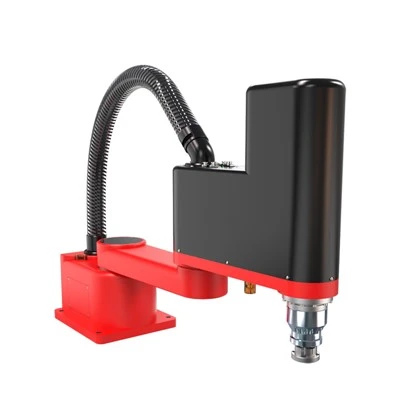
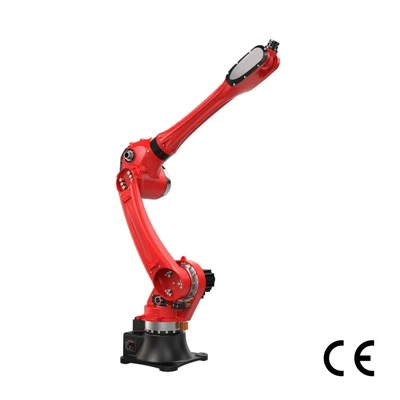
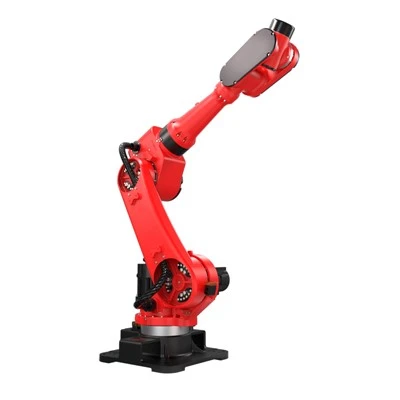
Once the robot has identified and located the parts, it's time for the sorting process. The robot uses its robotic arm, like the CNC Robot Arm, to pick up the parts. The arm is highly flexible and can move in multiple directions. It can reach into tight spaces and pick up parts with precision.
The robot has a pre - programmed set of rules for sorting. For example, it might sort the parts based on size, with the smallest parts going into one bin and the largest into another. Or it could sort them based on the type of material. If you have parts made of steel and parts made of aluminum, the robot can separate them easily.
In some cases, the sorting might be based on the production process. For example, parts that need to go through a specific machining operation first will be sorted into a separate group. This way, the production line can run more efficiently, and there's less chance of errors.
Another aspect of part sorting is the handling of damaged or defective parts. The vision sensors can detect if a part has a crack, a chip, or any other kind of damage. Once a defective part is identified, the robot can remove it from the production line and place it in a scrap bin. This helps to ensure that only high - quality parts make it through the manufacturing process.
Now, let's talk about the software that runs these robots. The software is the brain behind the operation. It controls the sensors, the robotic arm, and the sorting process. It can be programmed to adapt to different part sorting requirements. For example, if you change the type of parts you're working with, you can easily re - program the software to handle the new sorting rules.
The software also allows for real - time monitoring. You can see what the robot is doing at any given moment. If there's a problem, like a sensor malfunction or a part getting stuck, the software can send an alert. This way, you can quickly fix the issue and keep the production line running.
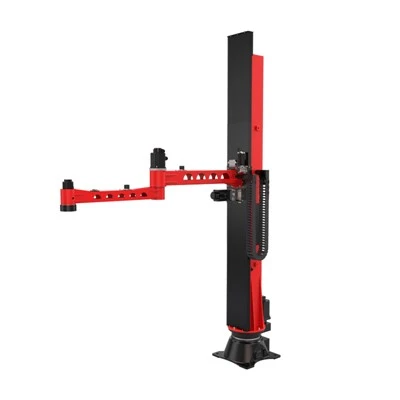
When it comes to integration with other systems, Machine Tending Robots are very versatile. They can be integrated with conveyor systems, storage systems, and other manufacturing equipment. For example, the CNC Loading Robot can work in conjunction with a conveyor belt to pick up parts as they move along. This seamless integration helps to create a more efficient and automated production environment.
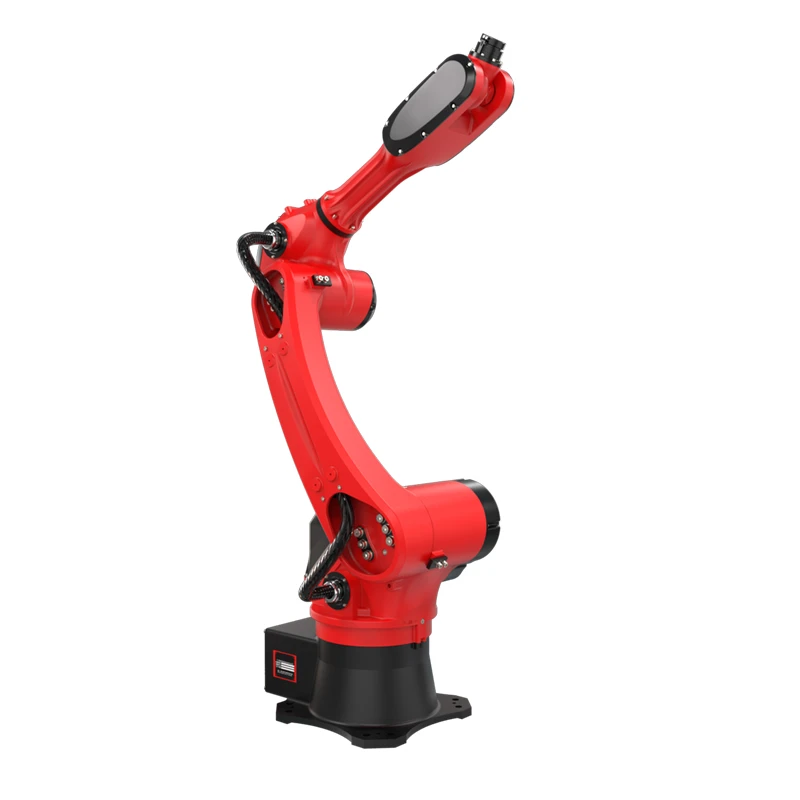
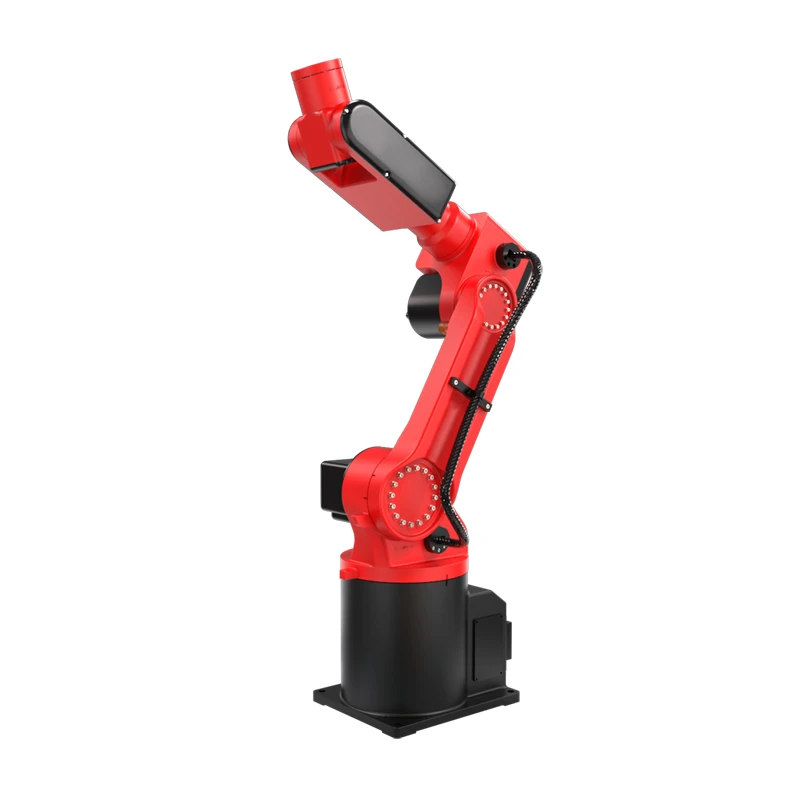
The Loading and Unloading Robot is also an important part of the part - sorting process. It can load the sorted parts into the machines and unload the finished products. This reduces the need for manual labor, which not only saves time but also improves safety in the workplace.
In conclusion, Machine Tending Robots are incredibly useful when it comes to part sorting. They use a combination of sensors, robotic arms, and advanced software to accurately identify, pick up, and sort parts. Whether you're in the automotive industry, the electronics industry, or any other manufacturing sector, these robots can greatly improve your production efficiency and quality.
If you're interested in learning more about how our Machine Tending Robots can help with your part - sorting needs, or if you're looking to purchase one for your business, don't hesitate to reach out. We're here to answer all your questions and guide you through the process.
References
- General knowledge of industrial robotics and manufacturing processes.
- Industry reports on the use of Machine Tending Robots in part sorting.