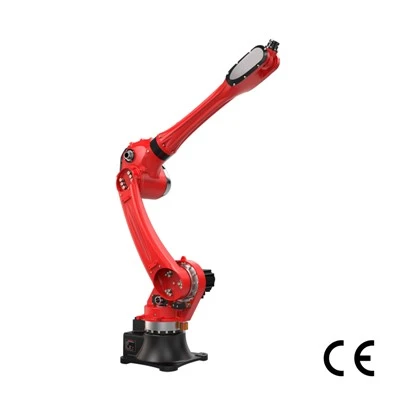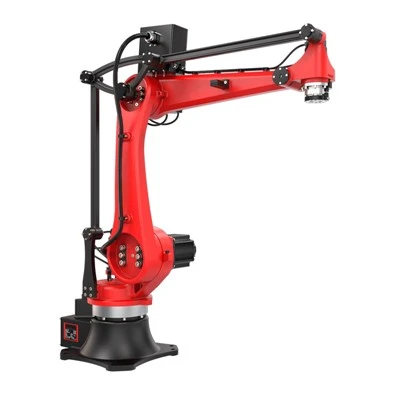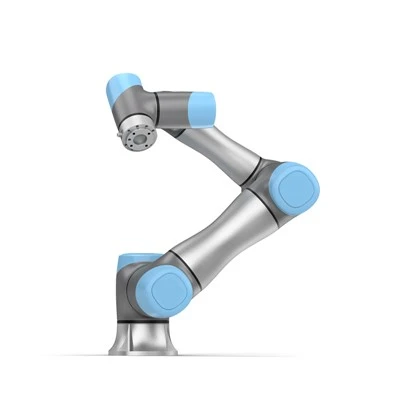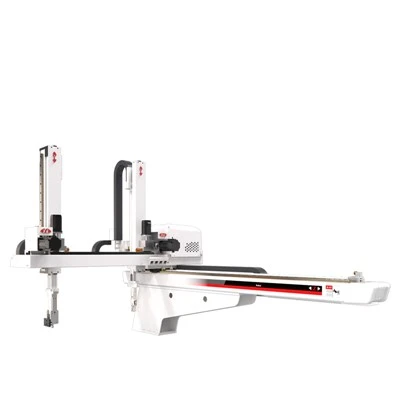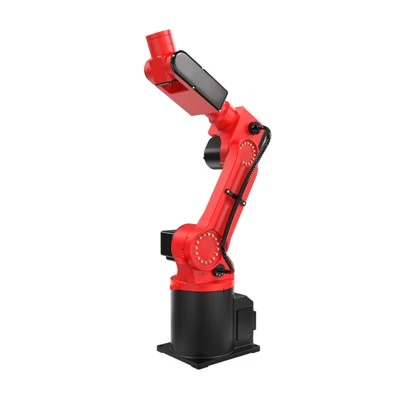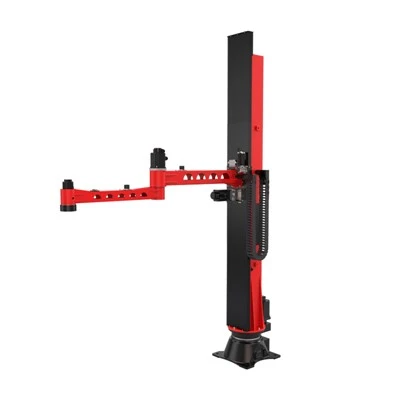


In the dynamic landscape of modern manufacturing, industrial robots have emerged as indispensable assets, streamlining production processes and enhancing efficiency. However, like any complex machinery, industrial robots are not immune to errors. As a leading industrial robot supplier, we understand the criticality of error recovery in maintaining seamless operations and minimizing downtime. In this blog, we will delve into how industrial robots perform error recovery tasks, exploring the mechanisms, strategies, and technologies involved.
Understanding Error Types in Industrial Robots
Before discussing error recovery, it is essential to understand the different types of errors that can occur in industrial robots. These errors can be broadly categorized into the following types:
1. Sensor Errors
Sensors play a crucial role in providing feedback to the robot's control system, enabling it to perform tasks accurately. Sensor errors can occur due to various reasons, such as sensor malfunction, interference, or calibration issues. For example, a vision sensor may fail to detect an object correctly, leading to errors in pick - and - place operations.
2. Mechanical Errors
Mechanical errors are related to the physical components of the robot, such as joints, motors, and gears. These errors can be caused by wear and tear, misalignment, or mechanical failures. For instance, a worn - out gear in the robot arm can result in inaccurate movements and reduced precision.
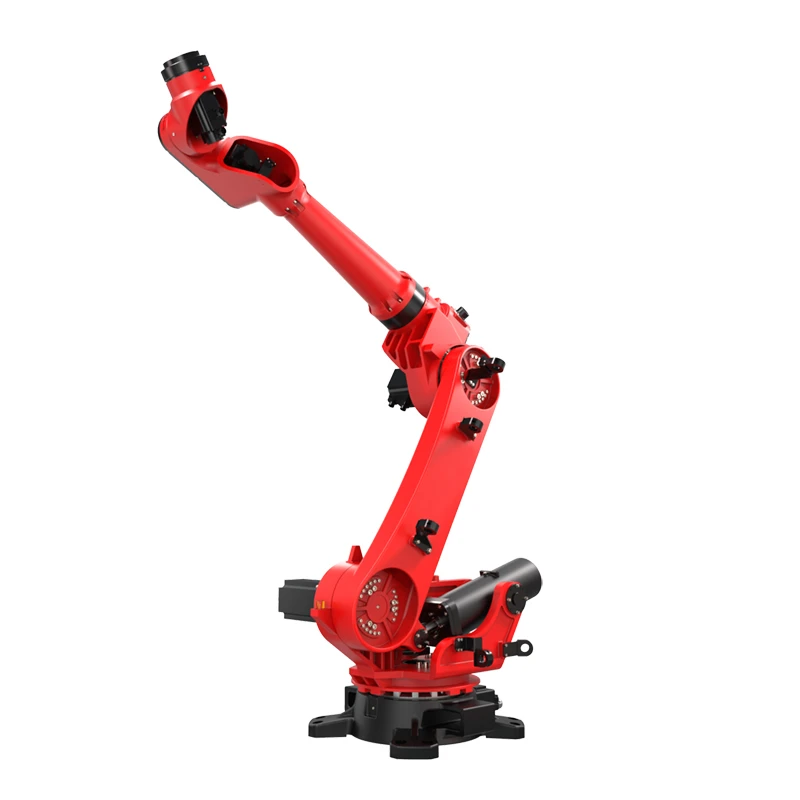
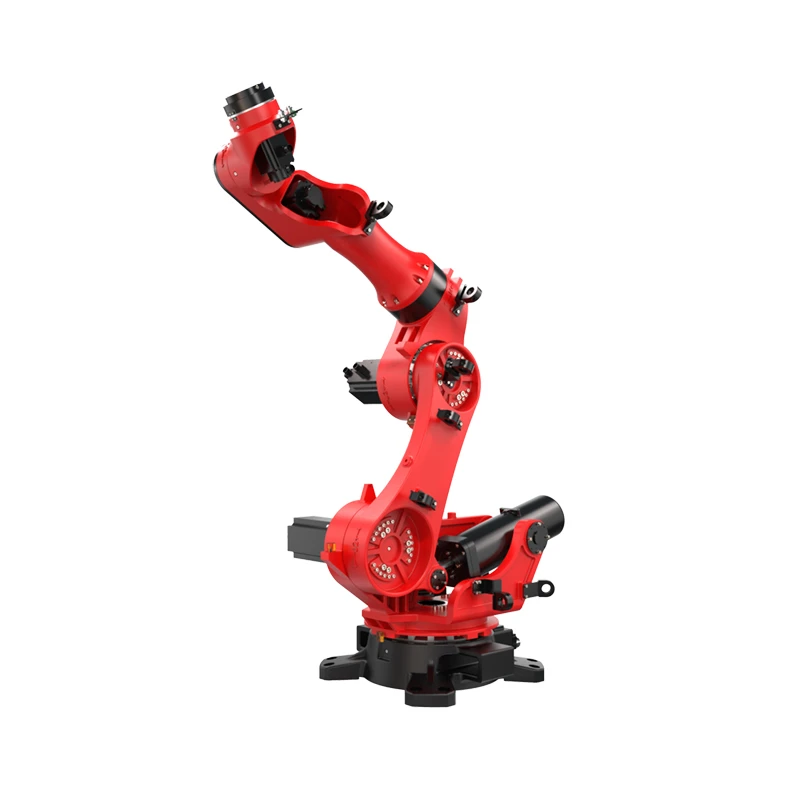
3. Software Errors
Software errors are bugs or glitches in the robot's control software. These errors can cause the robot to behave unexpectedly, such as executing incorrect commands or entering an infinite loop. Software errors may be introduced during the development process or due to compatibility issues with other systems.
4. Communication Errors
Industrial robots often need to communicate with other devices and systems in the manufacturing environment, such as programmable logic controllers (PLCs), human - machine interfaces (HMIs), and other robots. Communication errors can occur due to network issues, protocol mismatches, or electromagnetic interference, leading to data loss or incorrect information exchange.
Error Detection Mechanisms
To initiate error recovery, industrial robots need to have reliable error detection mechanisms. These mechanisms enable the robot to identify when an error has occurred and take appropriate action. Some common error detection methods include:
1. Sensor Feedback Monitoring
As mentioned earlier, sensors provide valuable feedback about the robot's state and the environment. By continuously monitoring sensor data, the robot's control system can detect deviations from the expected values. For example, if a force sensor on the robot gripper detects an abnormal force during a pick - up operation, it can indicate a problem such as an object not being properly grasped.
2. Diagnostic Codes
Modern industrial robots are equipped with diagnostic systems that generate error codes when an error is detected. These codes provide detailed information about the nature and location of the error, allowing operators to quickly identify and troubleshoot the problem. Diagnostic codes can be displayed on the robot's control panel or transmitted to a remote monitoring system for further analysis.
3. Modeling and Simulation
Using mathematical models and simulations, the robot's control system can predict the expected behavior of the robot under normal conditions. By comparing the actual behavior with the predicted behavior, the system can detect any discrepancies and flag them as potential errors. This approach is particularly useful for detecting errors in complex tasks or when dealing with dynamic environments.
Error Recovery Strategies
Once an error is detected, the industrial robot needs to implement appropriate error recovery strategies to resume normal operations as quickly as possible. Some common error recovery strategies include:
1. Retry Mechanisms
For certain types of errors, such as temporary communication glitches or minor sensor malfunctions, a simple retry mechanism can be effective. The robot's control system can attempt to repeat the task a certain number of times, hoping that the error will resolve itself. For example, if a pick - and - place operation fails due to a momentary loss of communication with the vision sensor, the robot can retry the operation after a short delay.
2. Back - up or Alternative Path Planning
In case of mechanical errors or obstacles in the robot's path, the control system can generate a back - up or alternative path to complete the task. This requires the robot to have a robust path planning algorithm and access to a map of the workspace. For example, if a robot arm encounters an unexpected obstacle while moving to a target position, it can calculate a new path to reach the target without colliding with the obstacle.
3. Self - Calibration
Sensor errors and mechanical misalignments can often be corrected through self - calibration procedures. The robot can use built - in calibration routines to adjust its sensors and mechanical components to ensure accurate operation. For instance, a robot with a vision sensor can perform a calibration procedure to correct any distortion or offset in the sensor's measurements.
4. Shutdown and Restart
In some cases, when the error is severe or cannot be quickly resolved, the safest option may be to shut down the robot and restart it. This can clear any temporary software glitches or reset the system to a known state. After the restart, the robot can perform a self - check to ensure that all components are functioning correctly before resuming normal operations.
Technologies Enabling Error Recovery
Several technologies are used to support error recovery in industrial robots:
1. Artificial Intelligence and Machine Learning
AI and ML algorithms can analyze large amounts of sensor data and historical error records to predict potential errors and develop optimal recovery strategies. These algorithms can also adapt to changing conditions and learn from past experiences to improve the robot's error recovery capabilities over time. For example, a machine - learning model can be trained to recognize patterns in sensor data that indicate an impending mechanical failure and trigger preventive maintenance actions.
2. Redundancy
Redundancy can be implemented at different levels in an industrial robot system to improve its reliability and error recovery capabilities. This can include redundant sensors, actuators, or control systems. In case of a failure in one component, the redundant component can take over the function, ensuring continuous operation. For example, a robot arm may have multiple motors driving a joint, so that if one motor fails, the others can still provide the necessary power.
3. Remote Monitoring and Control
Remote monitoring systems allow operators to monitor the status of the robot in real - time and diagnose errors from a remote location. This enables quick response times and reduces the need for on - site personnel. In addition, remote control capabilities can be used to perform error recovery tasks, such as restarting the robot or adjusting its parameters, without physically accessing the robot.
Error Recovery in Different Types of Industrial Robots
1. Palletizing Robot Arm
Palletizing robot arms are used to stack products onto pallets. Error recovery in these robots often focuses on ensuring the correct placement of products. For example, if a product is not picked up correctly due to a sensor error, the robot can retry the pick - up operation or adjust its gripper position. In case of a mechanical error in the robot arm's joints, the control system can generate an alternative path to complete the palletizing task.
2. Welding Industrial Robot
Welding industrial robots are used for welding operations in manufacturing. Error recovery in these robots is critical to ensure the quality of the welds. If a welding error occurs, such as improper arc length or insufficient gas flow, the robot can pause the welding process, adjust the parameters, and resume the operation. Additionally, if a mechanical error affects the movement of the welding torch, the control system can re - plan the welding path.
3. Robotic Case Palletizer
Robotic case palletizers are designed to handle cases and boxes. Error recovery in these robots involves dealing with issues such as misaligned cases or jams in the conveyor system. The robot can use its vision sensor to detect misaligned cases and adjust its gripper to pick them up correctly. In case of a conveyor jam, the robot can stop the conveyor, clear the jam, and then resume palletizing.
4. Machine Tending Robot
Machine tending robots are used to load and unload workpieces from machine tools. Error recovery in these robots may involve dealing with issues such as workpiece misplacement or tool breakage. If a workpiece is not loaded correctly into the machine tool, the robot can retry the loading operation or adjust the workpiece's position. In case of a tool breakage, the robot can signal the machine tool to stop, replace the tool, and then resume the machining process.
5. Automated Palletizing Robot
Automated palletizing robots are similar to palletizing robot arms but are often part of a more automated and integrated system. Error recovery in these robots may involve coordinating with other components in the system, such as conveyors and pallet dispensers. For example, if a conveyor malfunctions, the robot can stop its operation and wait for the conveyor to be repaired. Once the conveyor is operational again, the robot can resume palletizing.
Importance of Error Recovery for Customers
Error recovery is of utmost importance for our customers in the manufacturing industry. Downtime due to robot errors can result in significant losses in production and revenue. By implementing effective error recovery mechanisms, our industrial robots can minimize downtime, improve productivity, and enhance the overall efficiency of the manufacturing process. This not only reduces costs but also ensures a more reliable and consistent production output.
If you are interested in purchasing high - performance industrial robots with advanced error recovery capabilities, we invite you to contact us for procurement negotiations. Our team of experts is ready to help you find the best solutions for your specific manufacturing needs.
References
- Albus, J. S., McCain, H. M., & Armstrong, D. A. (1987). Robotics: Basic Concepts and Analysis. Kluwer Academic Publishers.
- Siciliano, B., Sciavicco, L., Villani, L., & Oriolo, G. (2009). Robotics: Modelling, Planning and Control. Springer.
- Craig, J. J. (2005). Introduction to Robotics: Mechanics and Control (3rd ed.). Pearson Prentice Hall.