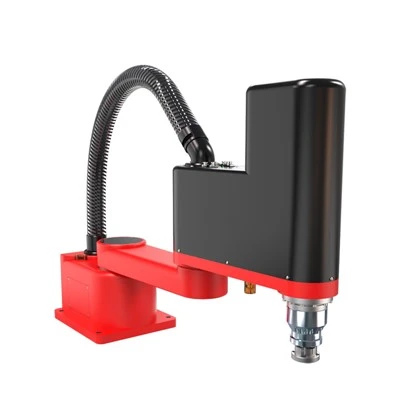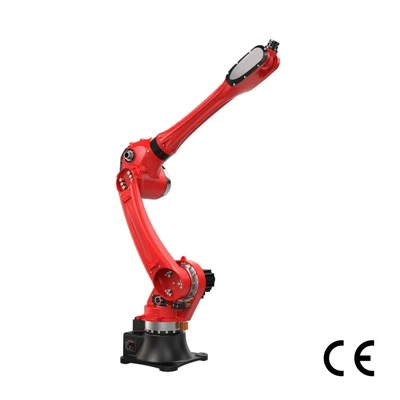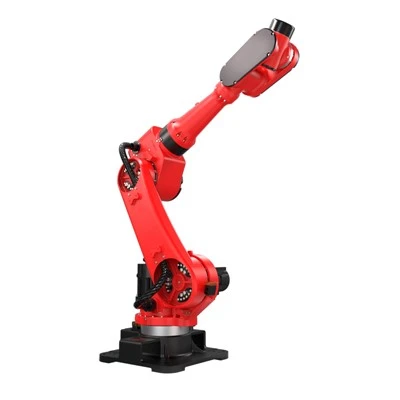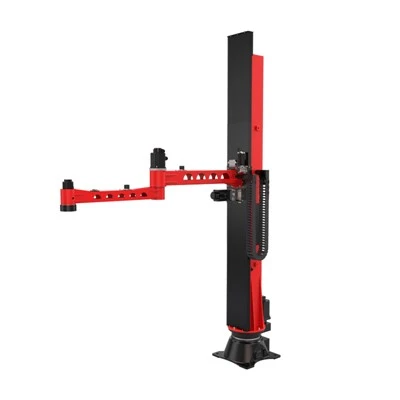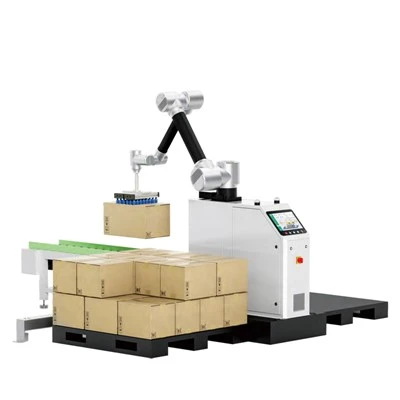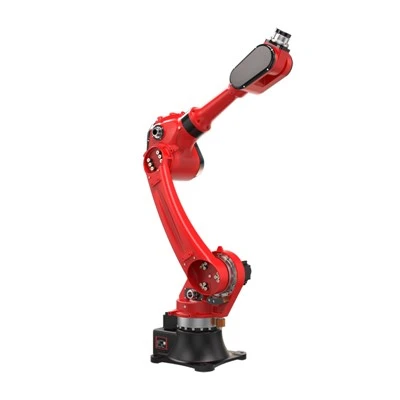


In the dynamic landscape of modern manufacturing, palletizing cobots have emerged as a transformative technology, offering unparalleled efficiency, flexibility, and safety in material handling tasks. As a leading supplier of Palletizing Cobot, we understand the importance of adhering to regulatory requirements to ensure the safe and compliant operation of these advanced robotic systems. In this blog post, we will delve into the key regulatory requirements for using a palletizing cobot, providing valuable insights for manufacturers and operators alike.
Safety Standards and Regulations
The safety of workers and equipment is of paramount importance in any industrial setting, and palletizing cobots are no exception. To ensure the safe operation of these robotic systems, manufacturers and operators must comply with a variety of safety standards and regulations at the national, regional, and international levels.
One of the most widely recognized safety standards for industrial robots is ISO 10218, which provides comprehensive guidelines for the design, construction, and installation of robots and robotic systems. This standard covers a range of safety aspects, including mechanical safety, electrical safety, and functional safety, and is applicable to all types of industrial robots, including palletizing cobots.
In addition to ISO 10218, there are also specific safety standards for collaborative robots (cobots), which are designed to work in close proximity to human operators. ISO/TS 15066 is the international technical specification that provides safety requirements and guidelines for the design and application of cobots, including palletizing cobots. This standard addresses the unique safety challenges associated with human-robot collaboration, such as force and pressure limitations, speed and separation monitoring, and safety-rated monitors.
At the national level, there are also a variety of safety regulations that govern the use of industrial robots and cobots. For example, in the United States, the Occupational Safety and Health Administration (OSHA) has established regulations for the safe use of industrial robots, including requirements for guarding, safety interlocks, and operator training. In Europe, the Machinery Directive (2006/42/EC) is the primary regulatory framework for the safety of machinery, including industrial robots and cobots, and requires manufacturers to ensure that their products comply with the relevant harmonized standards.
Risk Assessment and Mitigation
Before installing and operating a palletizing cobot, it is essential to conduct a thorough risk assessment to identify and evaluate the potential hazards associated with the robotic system. A risk assessment is a systematic process that involves identifying the hazards, assessing the likelihood and severity of the risks, and implementing appropriate risk mitigation measures to reduce the risks to an acceptable level.
The risk assessment process for a palletizing cobot should consider a range of factors, including the design and operation of the robotic system, the type of materials being handled, the layout of the workspace, and the interaction between the robot and human operators. The risk assessment should be conducted by a qualified person or team with expertise in robotics safety and should be documented in a risk assessment report.
Based on the results of the risk assessment, appropriate risk mitigation measures should be implemented to reduce the risks to an acceptable level. These measures may include engineering controls, such as the installation of safety guards, light curtains, and safety mats, administrative controls, such as the development of operating procedures and operator training programs, and personal protective equipment (PPE), such as safety glasses, gloves, and steel-toed boots.
Operator Training and Competence
Another important regulatory requirement for using a palletizing cobot is operator training and competence. Operators of palletizing cobots must be trained to operate the robotic system safely and effectively and to understand the potential hazards associated with the system.
The operator training program should cover a range of topics, including the basic principles of robotics, the operation and programming of the palletizing cobot, the safety features and functions of the robotic system, and the emergency procedures in case of a malfunction or accident. The training program should be designed and delivered by a qualified trainer or training provider and should be tailored to the specific needs and requirements of the operators.
In addition to initial operator training, ongoing training and assessment of operator competence are also essential to ensure that operators remain competent and up-to-date with the latest safety standards and best practices. Regular refresher training courses and performance evaluations should be conducted to reinforce the operators' knowledge and skills and to identify any areas where additional training or support may be required.
Maintenance and Inspection
Regular maintenance and inspection of a palletizing cobot are essential to ensure its safe and reliable operation. The maintenance and inspection program should be based on the manufacturer's recommendations and should include a schedule of regular maintenance tasks, such as lubrication, cleaning, and calibration, as well as a schedule of periodic inspections to identify and address any potential safety hazards or mechanical issues.
The maintenance and inspection program should be documented in a maintenance log or record, which should include details of the maintenance tasks performed, the date and time of the maintenance, the name of the person or team performing the maintenance, and any findings or issues identified during the maintenance or inspection.
In addition to regular maintenance and inspection, it is also important to have a system in place for reporting and addressing any safety incidents or malfunctions that occur during the operation of the palletizing cobot. Incidents and malfunctions should be reported immediately to the appropriate personnel, and a root cause analysis should be conducted to identify the cause of the incident or malfunction and to implement appropriate corrective actions to prevent similar incidents from occurring in the future.
Integration with Other Systems and Equipment
Palletizing cobots are often integrated with other systems and equipment in a manufacturing environment, such as conveyor belts, palletizers, and packaging machines. When integrating a palletizing cobot with other systems and equipment, it is important to ensure that the integration is done in a safe and compliant manner and that the overall system meets the relevant safety standards and regulations.
The integration process should involve a detailed assessment of the compatibility and interaction between the palletizing cobot and the other systems and equipment, as well as a review of the safety requirements and specifications of the individual components. The integration should be designed and implemented by a qualified integrator or team with expertise in robotics and automation, and the integrated system should be tested and validated to ensure its safe and reliable operation.
Regulatory Compliance and Certifications
To demonstrate compliance with the relevant safety standards and regulations, manufacturers of palletizing cobots may obtain various certifications, such as CE marking, UL listing, and ISO 13849 certification. These certifications provide independent verification that the robotic system meets the applicable safety requirements and can be used with confidence in the market.
As a supplier of palletizing cobots, we are committed to ensuring that our products meet the highest standards of safety and quality and comply with all relevant regulatory requirements. Our palletizing cobots are designed and manufactured in accordance with ISO 10218 and ISO/TS 15066 standards and are available with the necessary certifications to meet the needs of our customers in different regions and industries.
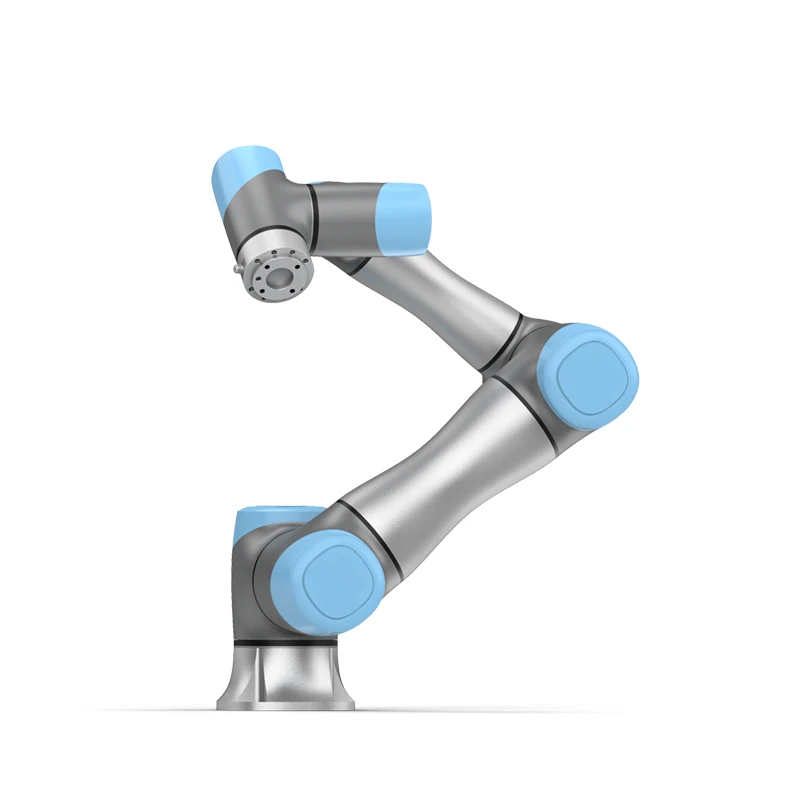
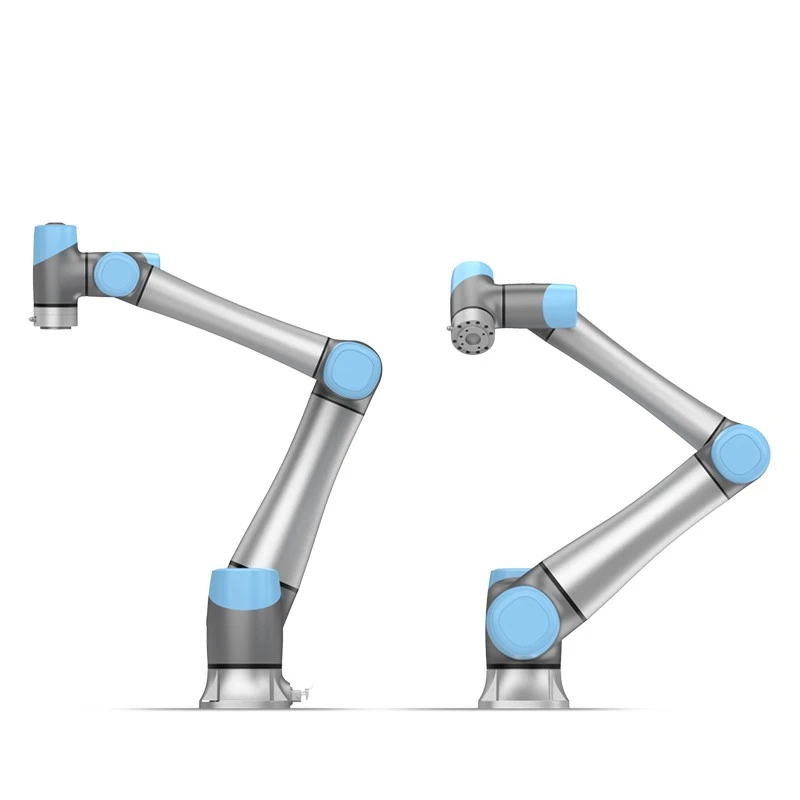
In conclusion, the regulatory requirements for using a palletizing cobot are comprehensive and complex, and it is essential for manufacturers and operators to understand and comply with these requirements to ensure the safe and compliant operation of these advanced robotic systems. By conducting a thorough risk assessment, implementing appropriate risk mitigation measures, providing operator training and competence, performing regular maintenance and inspection, integrating the cobot with other systems and equipment in a safe and compliant manner, and obtaining the necessary certifications, manufacturers and operators can minimize the risks associated with the use of palletizing cobots and maximize the benefits of this transformative technology.
If you are interested in learning more about our Palletizing Cobot or other robotic solutions, such as Machine Tending Cobot, please feel free to contact us to discuss your specific needs and requirements. Our team of experts is dedicated to providing you with the best possible solutions and support to help you improve your manufacturing efficiency and productivity.
References
- ISO 10218-1:2011, Robots and robotic devices - Safety requirements for industrial robots - Part 1: Robots
- ISO 10218-2:2011, Robots and robotic devices - Safety requirements for industrial robots - Part 2: Robot systems and integration
- ISO/TS 15066:2016, Robots and robotic devices - Collaborative robots
- OSHA Technical Manual (OTM), Section IV, Chapter 3, Industrial Robots and Robot Systems
- Machinery Directive 2006/42/EC, European Union