

What is the Load - Bearing Capacity of a Sprue Picker Robot's Gripper?
As a seasoned supplier of Sprue Picker Robots, I've received numerous inquiries about the load - bearing capacity of these robots' grippers. Understanding this crucial aspect is essential for customers to make informed decisions when selecting the right equipment for their manufacturing processes.
The Importance of Load - Bearing Capacity
The load - bearing capacity of a Sprue Picker Robot's gripper refers to the maximum weight it can safely grasp and manipulate without compromising its functionality or causing damage. In the context of plastic injection molding, where sprue picker robots are commonly used, this capacity determines the size and weight of the sprues, runners, and molded parts that the robot can handle.
For example, in a high - volume plastic manufacturing plant, the production of large and heavy - duty plastic components requires a gripper with a high load - bearing capacity. If the gripper's capacity is insufficient, it may struggle to pick up the parts, leading to frequent dropping or misalignment. This not only slows down the production process but also increases the risk of product defects and machine downtime.
Factors Affecting Load - Bearing Capacity
Several factors influence the load - bearing capacity of a Sprue Picker Robot's gripper.
Gripper Design and Material
The design of the gripper plays a significant role in determining its load - bearing capacity. A well - designed gripper distributes the weight evenly across its jaws, reducing stress concentrations. For instance, some grippers feature a parallel - jaw design, which provides a stable and balanced grip on the object. The material used in the construction of the gripper is also crucial. High - strength alloys and advanced polymers are commonly used to ensure durability and high load - bearing capabilities.
Actuation System
The actuation system of the gripper, whether it is pneumatic, hydraulic, or electric, affects its ability to hold and lift heavy objects. Pneumatic grippers are popular due to their simplicity and cost - effectiveness. However, their load - bearing capacity is generally lower compared to hydraulic or electric grippers. Hydraulic grippers can generate high forces, making them suitable for heavy - duty applications. Electric grippers offer precise control and can also handle relatively high loads, often with the added benefit of adjustability.
Robot Arm Strength and Stability
The overall strength and stability of the robot arm are closely related to the gripper's load - bearing capacity. A strong and rigid robot arm can support the weight of the gripper and the object it is holding without excessive deflection. The robot's control system also plays a role in ensuring smooth and stable operation when handling heavy loads.
Environmental Conditions
Environmental factors such as temperature, humidity, and the presence of dust or chemicals can impact the load - bearing capacity of the gripper. For example, high temperatures can cause the materials of the gripper to expand or lose their mechanical properties, reducing its ability to hold heavy objects. In dusty or dirty environments, the gripper's moving parts may be prone to wear and tear, which can also affect its performance.
Determining the Right Load - Bearing Capacity
When selecting a Sprue Picker Robot, it is essential to accurately determine the required load - bearing capacity of the gripper. This involves considering the following steps:
Analyze the Parts to be Handled
Measure the weight and dimensions of the sprues, runners, and molded parts that the robot will be responsible for picking up. Consider the maximum weight that the gripper may encounter during normal production operations. It is also important to account for any variations in part size and weight that may occur due to manufacturing tolerances.
Evaluate the Production Process
Understand the speed and frequency of the production process. If the robot needs to pick up and place parts quickly, a gripper with a higher load - bearing capacity may be required to ensure reliable operation. Additionally, consider any special handling requirements, such as the need to rotate or re - position the parts during the picking process.
Consult with Experts
As a supplier, we have extensive experience in the field and can provide valuable advice on selecting the right load - bearing capacity for your specific application. Our team of engineers can work closely with you to analyze your production requirements and recommend the most suitable Sprue Picker Robot and gripper combination.
Our Product Offerings
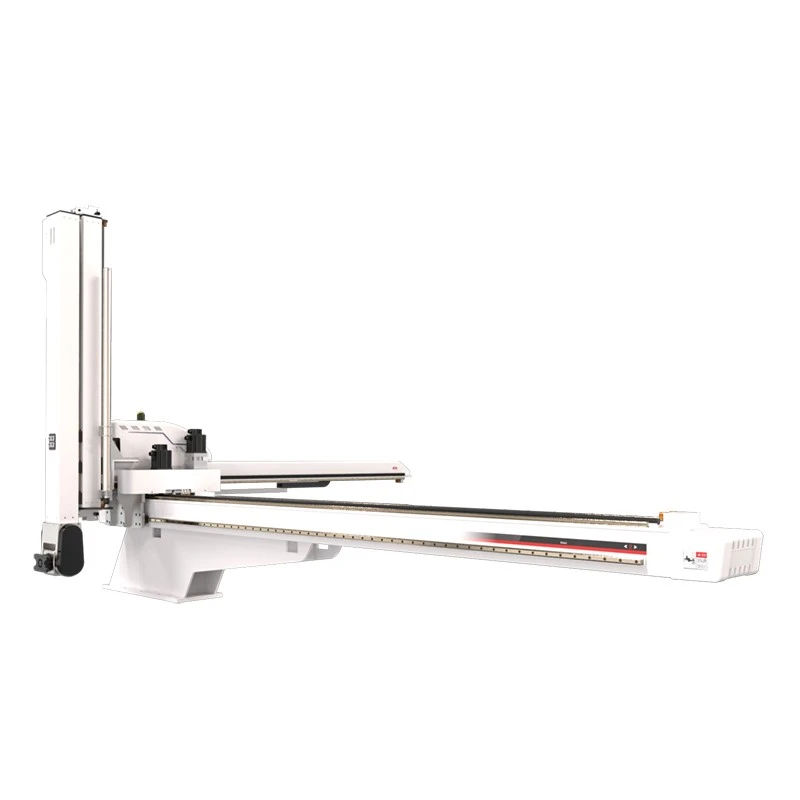
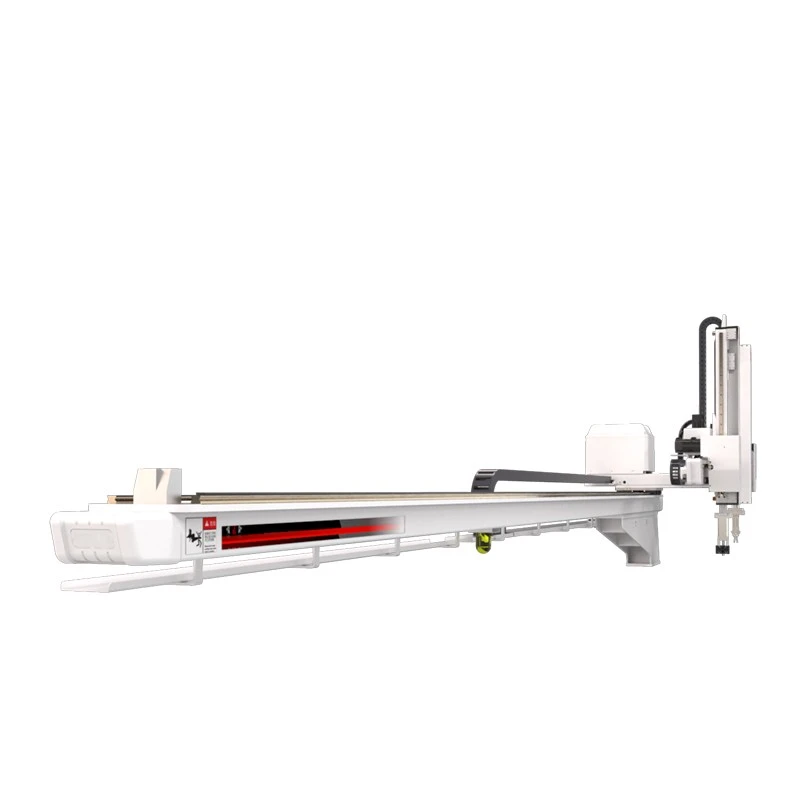
At our company, we offer a wide range of Sprue Picker Robots with grippers of various load - bearing capacities. Our robots are designed to meet the diverse needs of the plastic injection molding industry. Whether you are producing small, lightweight parts or large, heavy - duty components, we have a solution for you.
We also provide Injection Machine Robot, Injection Robot, Plastic Injection Robot, Plastic Injection Molding Robot, and Molding Machine Robot options. Our advanced technology ensures high - precision operation, reliability, and efficiency, helping you to optimize your production processes and increase productivity.
Contact for Purchase and Consultation
If you are interested in learning more about our Sprue Picker Robots and determining the right load - bearing capacity for your application, we encourage you to contact us. Our sales team is ready to provide you with detailed information, answer your questions, and assist you in making the best decision for your manufacturing needs. Whether you are a small - scale producer or a large - scale industrial enterprise, we are committed to providing you with the highest quality products and services.
References
- "Automation in Plastic Injection Molding," Industrial Robotics Handbook, 2nd Edition.
- "Design and Analysis of Grippers for Industrial Robots," Journal of Manufacturing Technology, Vol. 45, Issue 3.
- "Influence of Environmental Factors on Robot Performance," Proceedings of the International Conference on Robotics and Automation.