

Are pick up robots suitable for mass production?
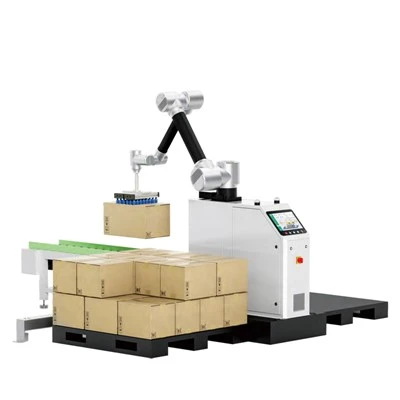
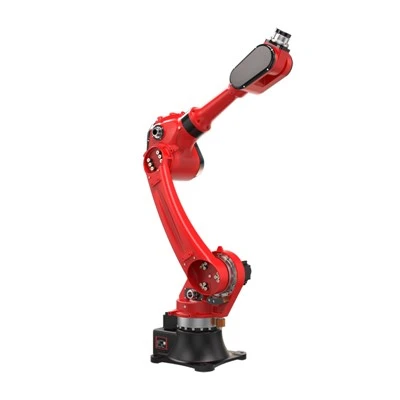
In the modern manufacturing landscape, the role of pick up robots has become increasingly prominent. As a supplier of pick up robots, I've witnessed firsthand the growing interest in these machines and the discussions around their suitability for mass production. This blog aims to delve into this topic, exploring the various aspects that determine whether pick up robots are a viable option for large - scale manufacturing.
Advantages of Pick Up Robots in Mass Production
Precision and Consistency
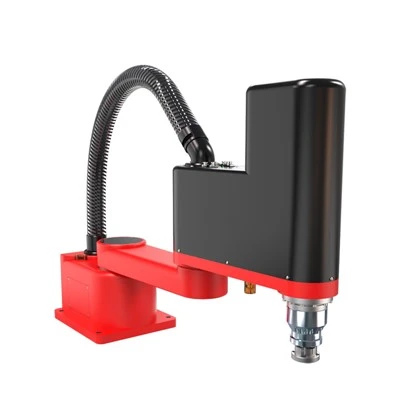
One of the most significant advantages of pick up robots in mass production is their ability to offer high precision and consistency. These robots are programmed to perform tasks with a high degree of accuracy, ensuring that each product is handled and placed in the exact same way. For example, in an electronics manufacturing plant, a 4 Axis Pick and Place Robot can precisely pick up tiny components and place them on circuit boards. This level of precision reduces the margin of error, which is crucial in mass production where even a small mistake can lead to a large number of defective products.
High - Speed Operation
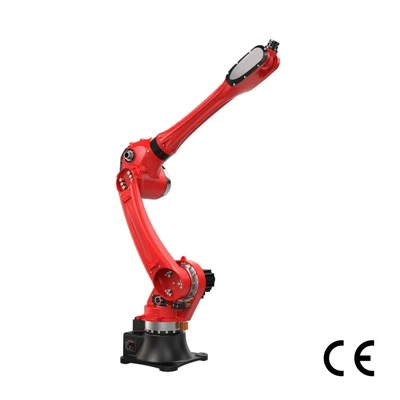
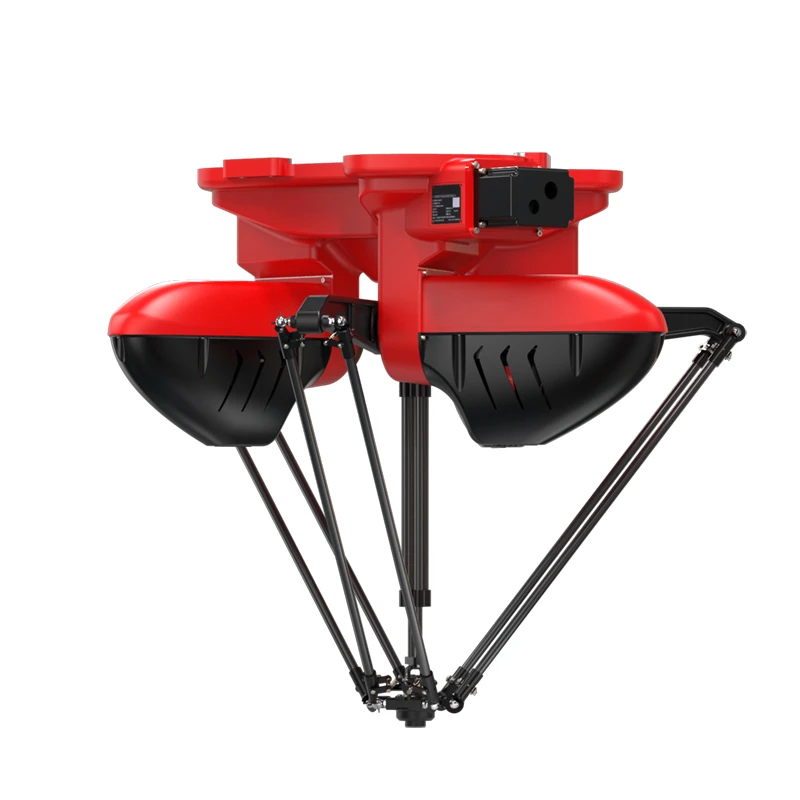
Pick up robots are designed for high - speed operation. They can perform repetitive tasks much faster than human workers. A High Speed Pick and Place Robot can pick and place items at a rate that far exceeds what a human can achieve. This speed is essential in mass production, as it allows for a higher volume of products to be produced in a shorter period. For instance, in a food packaging facility, a high - speed pick up robot can quickly pick up food items and place them in packaging, increasing the overall production output.
Reduced Labor Costs
By automating the pick - and - place process with robots, manufacturers can significantly reduce labor costs. Hiring and training human workers for repetitive pick - and - place tasks can be expensive, especially in regions with high labor costs. Additionally, robots do not require breaks, vacations, or benefits, which further reduces the cost of production. This cost - saving aspect makes pick up robots an attractive option for mass production.
Adaptability
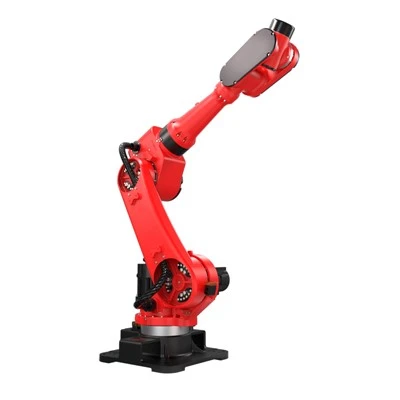
Pick up robots are highly adaptable to different production environments and tasks. They can be programmed to handle a variety of products, from small and delicate items to large and heavy objects. A Small Pick and Place Robot is suitable for handling small components in the electronics industry, while an Industrial Pick and Place Robot can be used for more heavy - duty tasks in the automotive or manufacturing sectors. This adaptability allows manufacturers to use the same robot for different products or production lines, increasing the flexibility of the production process.
Challenges of Pick Up Robots in Mass Production
High Initial Investment
One of the main challenges of using pick up robots in mass production is the high initial investment. Purchasing and installing a pick up robot system can be costly, especially for small and medium - sized enterprises. In addition to the cost of the robot itself, there are also costs associated with programming, training, and maintenance. However, it's important to note that over the long term, the cost savings from increased productivity and reduced labor costs can offset the initial investment.
Complex Programming
Programming pick up robots can be complex, especially for tasks that require a high level of precision or adaptability. Manufacturers need to have skilled programmers or work with external experts to ensure that the robots are programmed correctly. This can add to the overall cost and time required to implement a pick up robot system in mass production.
Limited Flexibility in Some Cases
While pick up robots are generally adaptable, they may have limitations in certain situations. For example, if there are sudden changes in the product design or production process, the robots may need to be reprogrammed, which can be time - consuming. In addition, some robots may not be able to handle irregularly shaped or fragile objects as well as human workers.
Factors to Consider for Mass Production
Product Characteristics
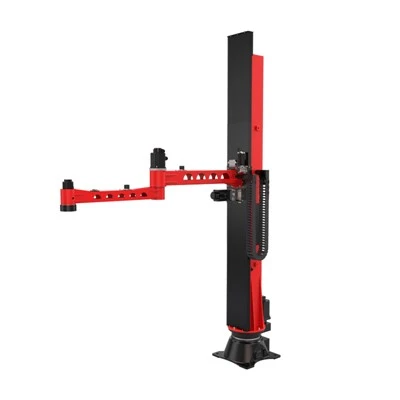
The characteristics of the product being produced play a crucial role in determining whether pick up robots are suitable for mass production. If the product is small, uniform in shape, and requires a high level of precision, pick up robots are likely to be a good fit. For example, in the production of microchips, a Pick and Place Industrial Robot can handle the small components with ease. On the other hand, if the product is large, irregularly shaped, or requires a high degree of dexterity, human workers may still be more suitable.
Production Volume
The production volume is another important factor. If the production volume is high and the tasks are repetitive, pick up robots can offer significant advantages in terms of speed and efficiency. However, if the production volume is low, the high initial investment in pick up robots may not be justified.

Production Environment
The production environment also needs to be considered. Pick up robots require a stable and clean environment to operate effectively. In environments with high levels of dust, moisture, or vibrations, the performance of the robots may be affected. Manufacturers need to ensure that the production environment is suitable for the operation of pick up robots.
Conclusion
In conclusion, pick up robots have both advantages and challenges when it comes to mass production. Their precision, high - speed operation, reduced labor costs, and adaptability make them a promising option for many manufacturers. However, the high initial investment, complex programming, and limited flexibility in some cases need to be carefully considered.
Ultimately, the suitability of pick up robots for mass production depends on a variety of factors, including product characteristics, production volume, and the production environment. As a pick up robot supplier, I'm committed to helping manufacturers make informed decisions about whether pick up robots are the right choice for their mass production needs.
If you're interested in exploring the use of pick up robots for your mass production processes, I encourage you to reach out for a detailed discussion. We can assess your specific requirements and provide you with customized solutions that meet your needs.
References
- Smith, J. (2020). "Automation in Manufacturing: The Role of Pick and Place Robots." Journal of Industrial Automation, 15(2), 45 - 56.
- Johnson, A. (2019). "Cost - Benefit Analysis of Using Pick Up Robots in Mass Production." International Journal of Manufacturing Economics, 22(3), 78 - 90.
- Brown, C. (2021). "Advances in Pick and Place Robot Technology." Robotics and Automation Review, 18(4), 123 - 135.