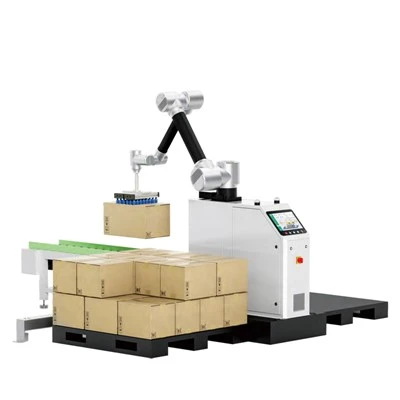


Hey there! As a supplier of palletizing robots, I often get asked if our machines can handle large-sized products. Well, the short answer is yes, but there's a lot more to it than that. In this blog, I'll dive deep into the world of palletizing large-sized products with robots, sharing insights, tips, and real-world examples.
Understanding the Challenges of Palletizing Large-Sized Products
Palletizing large-sized products comes with its own set of challenges. These products are typically heavier, bulkier, and more difficult to maneuver compared to smaller items. Here are some of the key challenges we face:
- Weight and Size: Large products can weigh several hundred pounds or more, and they may have irregular shapes. This requires a palletizing robot with a high payload capacity and the ability to handle different geometries.
- Stability: Ensuring the stability of the pallet during the palletizing process is crucial. Large products can be top-heavy or have uneven weight distribution, which can lead to tipping or instability if not handled properly.
- Space Constraints: Large products often take up more space on the pallet, which can limit the number of products that can be stacked and affect the overall efficiency of the palletizing process.
- Speed and Efficiency: Despite their size, we still need to palletize large products quickly and efficiently to meet production demands. This requires a robot that can operate at high speeds without compromising on accuracy.
Our Palletizing Robots: Up to the Task
At our company, we've developed a range of palletizing robots that are specifically designed to handle large-sized products. Here's how our robots tackle the challenges mentioned above:
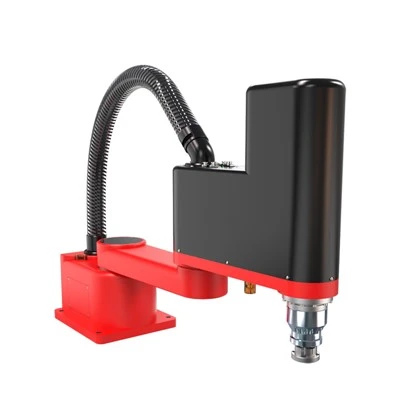
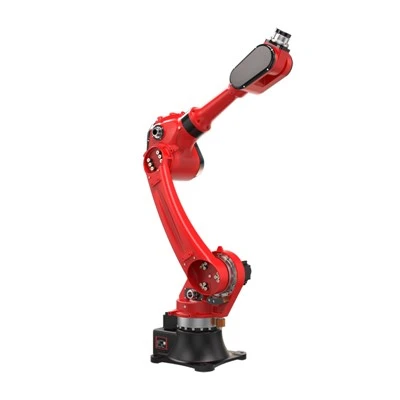
- High Payload Capacity: Our Palletizing Robot Arm is capable of handling payloads of up to 50kg, making it ideal for heavy and large products. It's equipped with a powerful motor and a robust mechanical structure to ensure smooth and reliable operation.
- Advanced Vision System: To ensure the stability of the pallet, our robots are equipped with an advanced vision system. This system can detect the position and orientation of the products, allowing the robot to place them accurately on the pallet and minimize the risk of tipping.
- Flexible Programming: Our robots can be programmed to handle a variety of product sizes and shapes. This flexibility allows us to optimize the palletizing process for different products, maximizing the use of space on the pallet and improving efficiency.
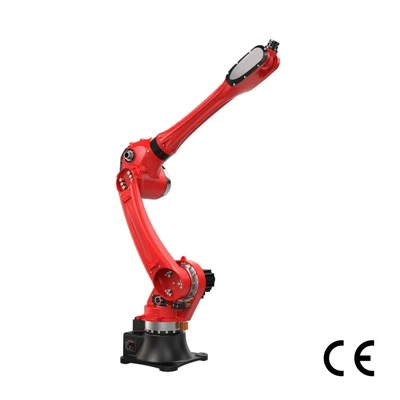
- High-Speed Operation: Our Automatic Robotic Palletizer is designed to operate at high speeds, reducing the cycle time and increasing productivity. It can perform multiple palletizing tasks simultaneously, further improving efficiency.
Real-World Examples
To give you a better idea of how our palletizing robots work with large-sized products, let's take a look at some real-world examples:
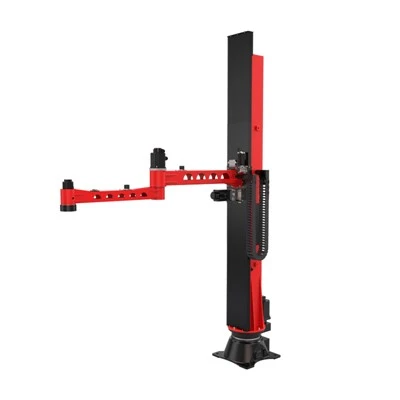
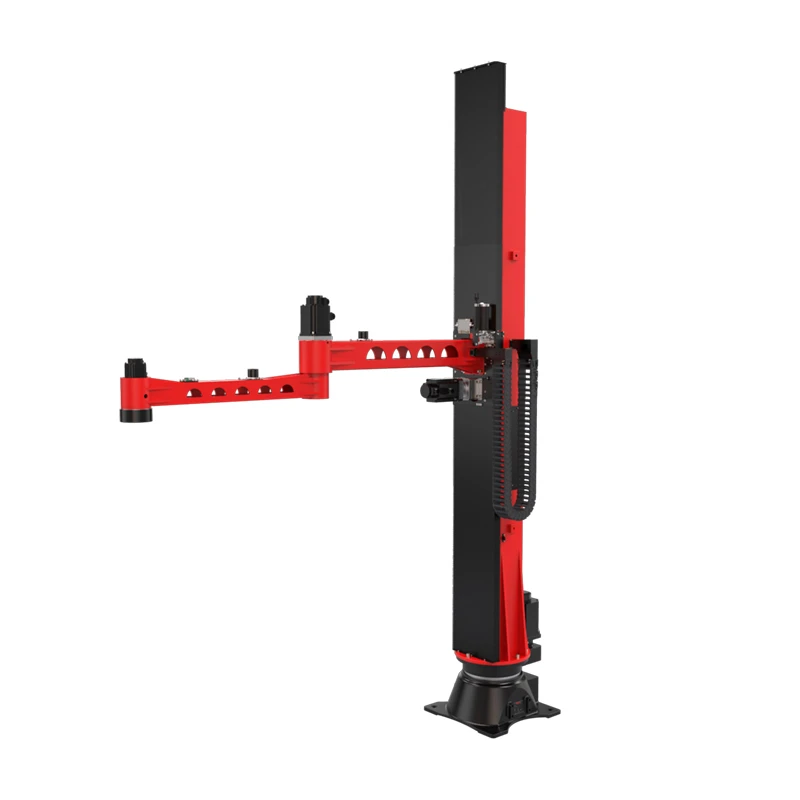
- Furniture Industry: In the furniture industry, our Column Palletizing Robot is used to palletize large and heavy furniture pieces. The robot can handle items such as sofas, beds, and cabinets with ease, ensuring that they are stacked securely on the pallet.
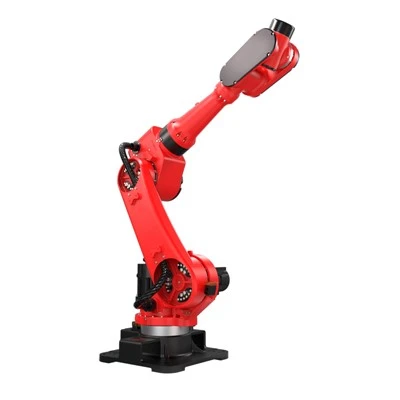
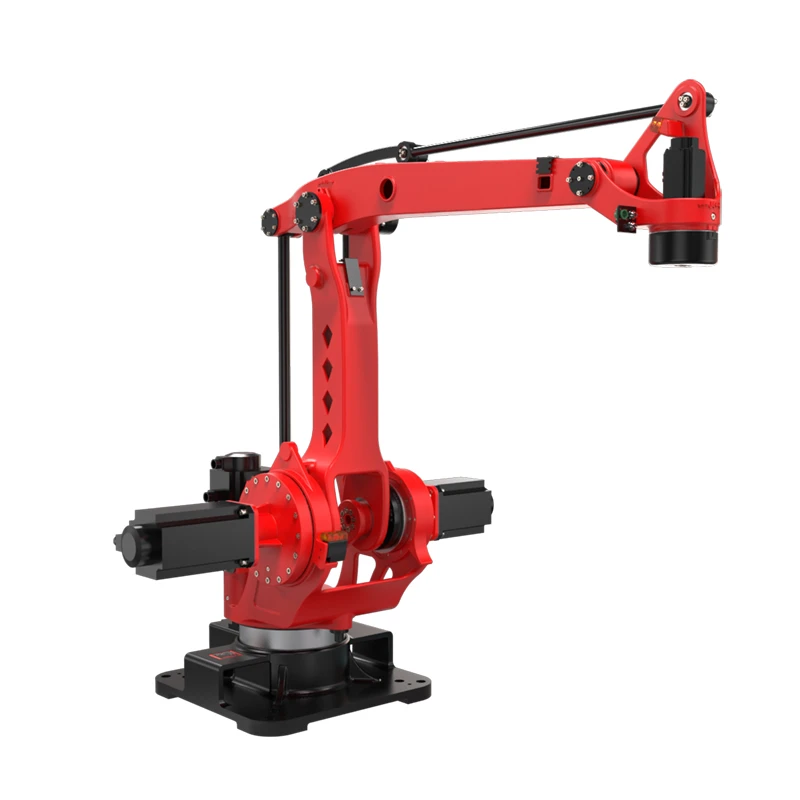
- Automotive Industry: In the automotive industry, our Box Palletizing Robot is used to palletize large automotive parts, such as engines and transmissions. The robot's high payload capacity and advanced vision system allow it to handle these heavy and bulky parts accurately and efficiently.
- Construction Industry: In the construction industry, our Robotic Case Palletizer is used to palletize large building materials, such as bricks and concrete blocks. The robot can stack these materials in a stable and organized manner, reducing the risk of damage during transportation.
Tips for Palletizing Large-Sized Products
If you're considering using a palletizing robot for large-sized products, here are some tips to help you get the most out of your investment:
- Choose the Right Robot: Make sure you choose a robot with a high payload capacity and the ability to handle the specific size and shape of your products. Consider factors such as reach, speed, and accuracy when making your decision.
- Optimize the Pallet Design: Work with your pallet supplier to design a pallet that is suitable for your large-sized products. Consider factors such as pallet size, material, and design to ensure maximum stability and efficiency.
- Train Your Operators: Provide your operators with proper training on how to operate the palletizing robot safely and efficiently. Make sure they understand the robot's capabilities and limitations, and how to troubleshoot any issues that may arise.
- Maintain Your Robot: Regularly maintain your palletizing robot to ensure its optimal performance. Follow the manufacturer's recommended maintenance schedule, and keep the robot clean and lubricated.
Conclusion
In conclusion, a palletizing robot can definitely be used for palletizing large-sized products. Our range of palletizing robots is designed to handle the challenges associated with large products, offering high payload capacity, advanced vision systems, flexible programming, and high-speed operation. By choosing the right robot, optimizing the pallet design, training your operators, and maintaining your robot, you can achieve efficient and reliable palletizing of large-sized products.
If you're interested in learning more about our palletizing robots or discussing your specific needs, please don't hesitate to reach out. We'd be happy to help you find the perfect solution for your business.
References
- Manufacturer's documentation for palletizing robots
- Industry research reports on palletizing large-sized products