

Embarking on the journey of integrating collaborative robots, or cobots, into your operations is an exciting venture filled with the promise of enhanced efficiency, productivity, and flexibility. As a leading cobot supplier, we understand that the learning curve for new cobot users is a crucial aspect of this adoption process. In this blog, we'll explore what the learning curve entails, factors that influence it, and how you can navigate it successfully to achieve the best results for your business.
Understanding the Learning Curve
The learning curve for new cobot users represents the time and effort required to become proficient in operating, programming, and maintaining these advanced robots. It's a natural progression that varies from person to person and organization to organization, depending on several factors. The learning process typically involves three main stages: awareness, proficiency, and mastery.
Awareness Stage
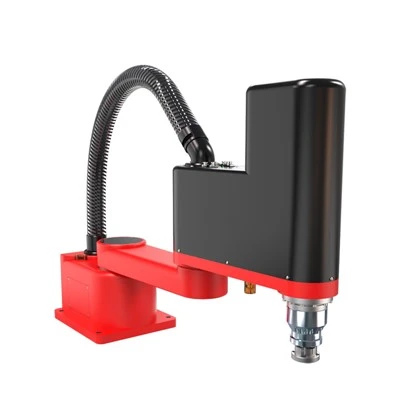
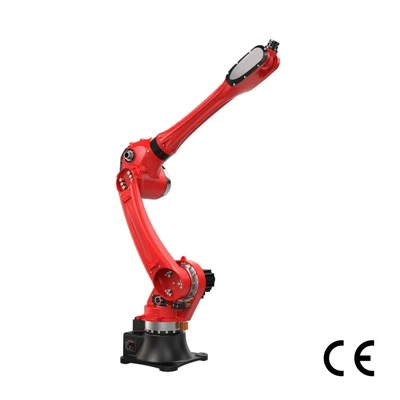
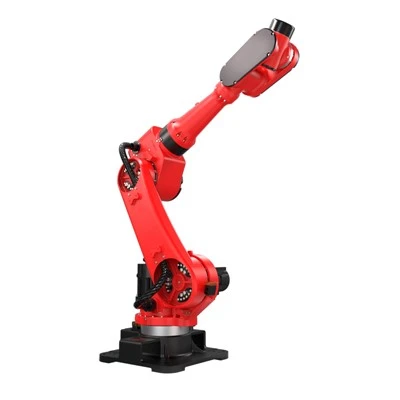
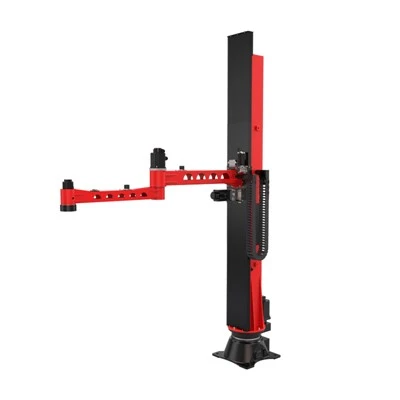
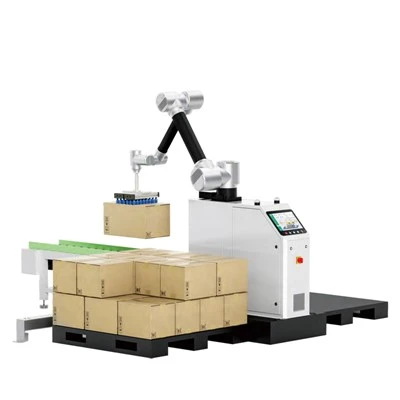
The awareness stage is the starting point for new cobot users. At this stage, users are introduced to the concept of cobots, their capabilities, and potential applications in their industry. This involves learning about the different types of cobots available, such as Palletizing Cobot and Machine Tending Cobot, and how they can be integrated into existing workflows.
During the awareness stage, users may attend training sessions, webinars, or workshops to gain a basic understanding of cobot technology. They may also read industry reports, case studies, and whitepapers to learn about the benefits and challenges of cobot adoption. This stage is essential for building a solid foundation of knowledge and familiarity with cobots.
Proficiency Stage
Once users have a basic understanding of cobots, they move on to the proficiency stage. At this stage, users begin to gain hands-on experience with cobots by programming and operating them. They learn how to use the cobot's software interface to create and modify programs, set up tasks, and monitor performance.
The proficiency stage typically involves a combination of theoretical training and practical exercises. Users may work with a cobot trainer or integrator to learn the basics of programming and operation, and then practice on their own to reinforce their skills. This stage can take several weeks or months, depending on the complexity of the cobot and the user's prior experience with robotics.
Mastery Stage
The mastery stage is the final stage of the learning curve, where users become experts in operating, programming, and maintaining cobots. At this stage, users are able to design and implement complex cobot applications, troubleshoot problems, and optimize performance. They have a deep understanding of the cobot's capabilities and limitations, and are able to use this knowledge to achieve the best results for their business.
The mastery stage typically takes several months or years of experience, depending on the complexity of the cobot and the user's level of dedication. Users may continue to learn and grow by attending advanced training courses, participating in industry events, and collaborating with other cobot users and experts.
Factors Influencing the Learning Curve
Several factors can influence the learning curve for new cobot users. Understanding these factors can help you anticipate challenges and develop strategies to overcome them.
Prior Experience with Robotics
Users with prior experience with robotics, such as programming industrial robots or working with automation systems, may have a shorter learning curve than those with no prior experience. This is because they already have a basic understanding of robotics concepts, programming languages, and control systems, which can make it easier to learn how to operate and program cobots.
Technical Skills
Users with strong technical skills, such as programming, electrical engineering, or mechanical engineering, may also have a shorter learning curve than those with limited technical skills. This is because they are more likely to understand the technical aspects of cobot operation and programming, and are able to troubleshoot problems more effectively.
Complexity of the Cobot
The complexity of the cobot can also influence the learning curve. Cobots with more advanced features and capabilities, such as force sensing, vision systems, or integrated software, may require more time and effort to learn than simpler cobots. This is because users need to learn how to use these advanced features and integrate them into their applications.
Training and Support
The quality and availability of training and support can also have a significant impact on the learning curve. Users who receive comprehensive training and ongoing support from their cobot supplier or integrator are more likely to learn how to operate and program cobots quickly and effectively. This is because they have access to expert guidance, troubleshooting resources, and best practices.
Navigating the Learning Curve
Navigating the learning curve for new cobot users can be challenging, but with the right approach, it can also be a rewarding experience. Here are some tips to help you navigate the learning curve successfully:
Start with a Simple Application
When you first start using cobots, it's a good idea to start with a simple application that is easy to understand and implement. This will help you gain confidence and experience with cobot operation and programming, and will make it easier to tackle more complex applications in the future.
Invest in Training and Support
Investing in comprehensive training and ongoing support is essential for navigating the learning curve successfully. Make sure you choose a cobot supplier or integrator that offers high-quality training programs, technical support, and troubleshooting resources. This will help you learn how to operate and program cobots quickly and effectively, and will ensure that you have the support you need to overcome any challenges that you may encounter.
Collaborate with Other Users
Collaborating with other cobot users can be a great way to learn from their experiences, share best practices, and get advice and support. Consider joining a cobot user group or community, attending industry events, or participating in online forums or discussion groups. This will help you stay up-to-date on the latest developments in cobot technology, and will give you the opportunity to network with other users and experts.
Take Advantage of Resources
There are many resources available to help you learn how to operate and program cobots, including online tutorials, user manuals, case studies, and whitepapers. Make sure you take advantage of these resources to learn as much as you can about cobot technology, and to get the most out of your cobot investment.
Conclusion
The learning curve for new cobot users is a natural part of the adoption process, but with the right approach, it can be navigated successfully. By understanding the learning curve, the factors that influence it, and the strategies for navigating it, you can ensure that you get the most out of your cobot investment, and achieve the best results for your business.
If you're interested in learning more about our cobots or exploring how they can benefit your operations, we encourage you to [contact us to discuss your specific requirements and explore how we can help you achieve your goals. Our team of experts is ready to assist you every step of the way, from initial consultation to implementation and beyond.
References
- Robotics Industries Association. (2023). Collaborative Robots: A Guide to Understanding and Implementing.
- International Federation of Robotics. (2023). World Robotics Report.
- Cobot Applications: Palletizing and Machine Tending. (n.d.). Retrieved from /cobot/palletizing-cobot.html and /cobot/machine-tending-cobot.html