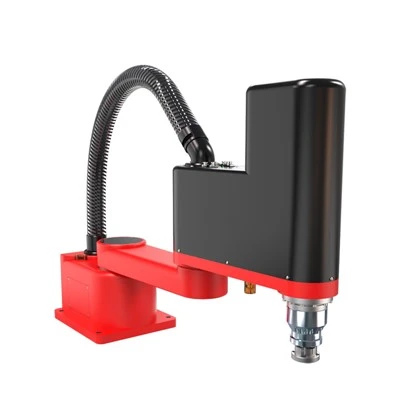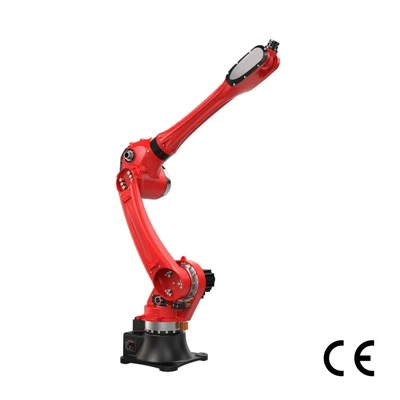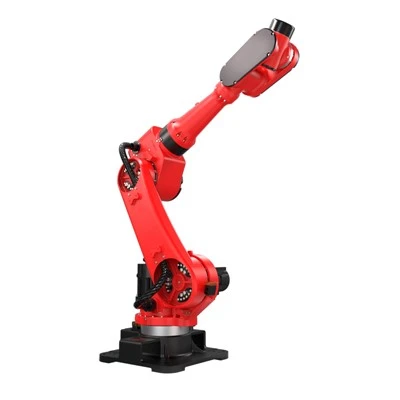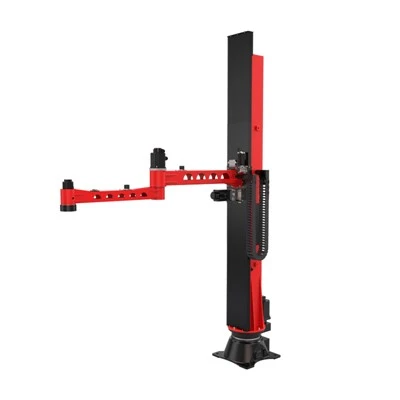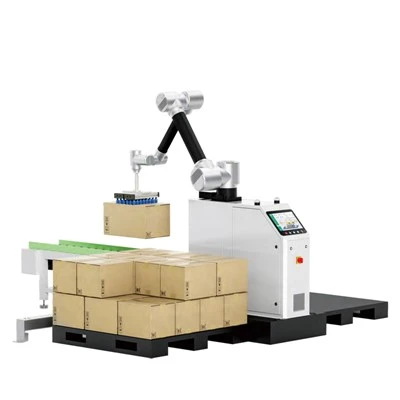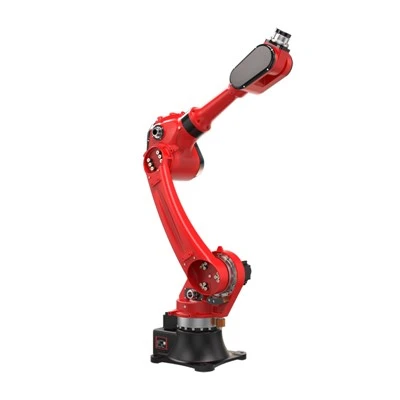


Hey there! As a supplier of palletizing robots, I often get asked about the installation requirements for these nifty machines. So, I thought I'd put together this blog to give you the lowdown on what you need to know before installing a palletizing robot.
1. Space Requirements
First off, let's talk about space. Palletizing robots need a good amount of room to operate effectively. You've gotta consider not just the size of the robot itself, but also the area it needs to move around, pick up products, and stack them on pallets.
The footprint of the robot is a crucial factor. Different types of palletizing robots have different sizes. For example, a Column Palletizing Robot might have a smaller footprint compared to a larger Robotic Case Palletizer. You need to measure the space where you plan to install the robot and make sure it can fit comfortably.
You also need to account for the clearance around the robot. There should be enough space for operators to access the robot for maintenance and troubleshooting. A general rule of thumb is to have at least a couple of feet of clearance on all sides of the robot.
Another aspect of space is the height. The robot needs enough vertical space to lift and stack products. If you're dealing with tall pallets or stacking products to a significant height, make sure the ceiling height in your facility is sufficient.
2. Power Supply
Next up, power. Palletizing robots are power-hungry machines, and you need to ensure you have a proper power supply. The power requirements can vary depending on the type and size of the robot.
Most palletizing robots run on three - phase power. You'll need to check the electrical specifications of the specific robot you're getting. The voltage and amperage requirements are usually listed in the robot's manual.
It's also important to have a stable power supply. Fluctuations in power can cause problems for the robot's operation and may even damage its components. Consider using a voltage stabilizer or an uninterruptible power supply (UPS) to protect the robot from power surges and outages.
3. Flooring
The flooring in the installation area is another important consideration. The robot needs a flat and stable surface to operate on. Uneven flooring can cause the robot to malfunction or even damage its wheels or tracks.
If your facility has a rough or uneven floor, you may need to level it before installing the robot. This could involve pouring a new concrete floor or using floor leveling compounds.
The flooring should also be able to support the weight of the robot and the pallets it will be handling. Some heavy - duty palletizing robots can be quite large and heavy, so make sure the floor can handle the load.
4. Communication and Control Systems
Palletizing robots need to communicate with other systems in your facility, such as conveyor belts, product feeders, and warehouse management systems. You need to have a proper communication infrastructure in place.
Most modern palletizing robots use Ethernet or Wi - Fi for communication. You'll need to ensure that your facility has a reliable network connection. If you're using Wi - Fi, make sure the signal strength is strong enough in the area where the robot will be installed.
The robot also needs a control system to operate. This could be a programmable logic controller (PLC) or a dedicated robot controller. You need to have the necessary software and programming skills to set up and operate the control system. If you're not familiar with this, you may need to hire a professional to help you with the installation and programming.
5. Safety Measures
Safety should always be a top priority when installing a palletizing robot. There are several safety measures you need to put in place.
First, you need to install safety fencing around the robot's operating area. This will prevent operators from accidentally entering the area while the robot is in operation. The fencing should be strong enough to withstand any impacts from the robot.
You also need to install safety sensors on the robot. These sensors can detect when an object or a person is too close to the robot and will automatically stop the robot's operation. There are different types of sensors available, such as light curtains and proximity sensors.
In addition, make sure the robot has emergency stop buttons that are easily accessible. These buttons should be located both inside the robot's operating area and at other strategic locations in the facility.
6. Product and Pallet Compatibility
Before installing a palletizing robot, you need to ensure that it is compatible with the products and pallets you'll be using.
The robot should be able to handle the weight, size, and shape of your products. For example, if you're dealing with large and heavy boxes, you'll need a robot with a high payload capacity. Some robots are designed specifically for handling odd - shaped products, so you may need to choose the right one for your needs.
The robot also needs to be compatible with the pallets you're using. Different pallets have different sizes and configurations. You need to make sure the robot can pick up and stack products on your pallets correctly. You may need to adjust the robot's programming or use specialized grippers to ensure proper compatibility.
7. Training and Support
Finally, don't forget about training and support. Once the robot is installed, your operators will need to be trained on how to use it. This includes basic operation, programming, and maintenance.
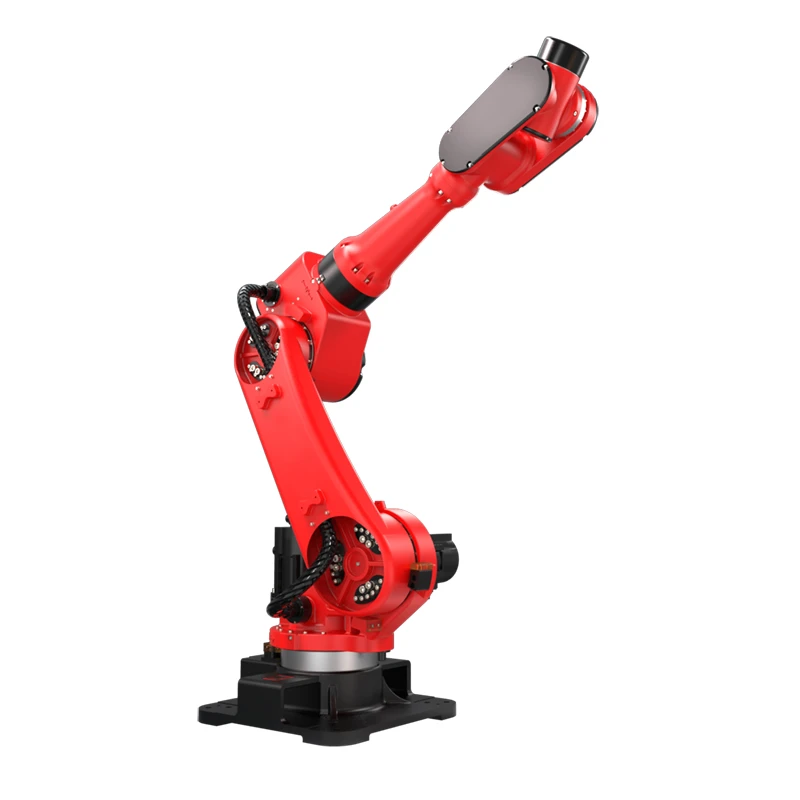
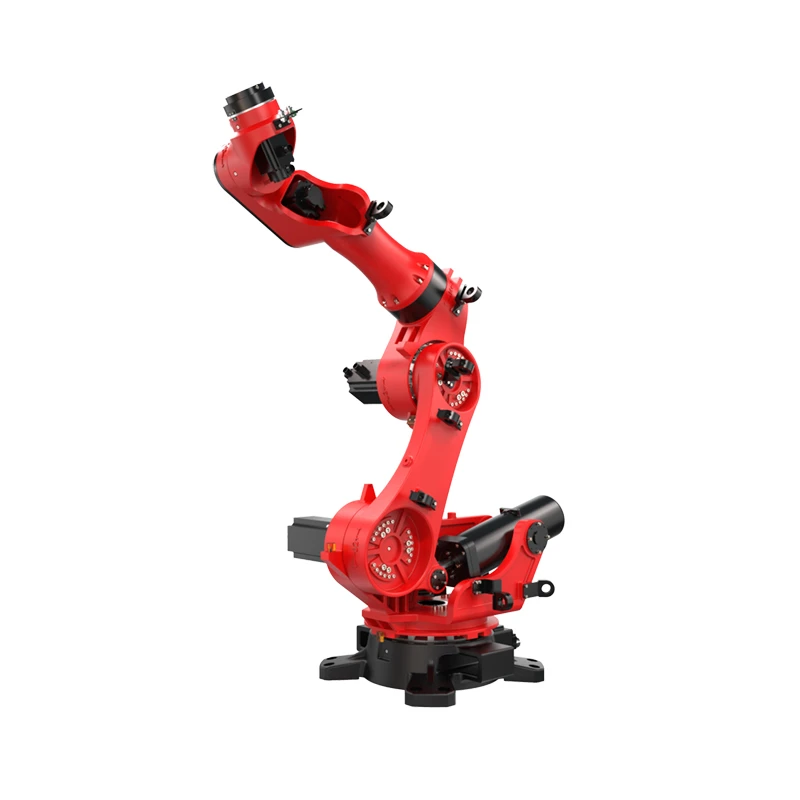
Look for a supplier that offers comprehensive training programs. Some suppliers may even provide on - site training to ensure that your operators are comfortable using the robot.
In addition, you'll need to have access to ongoing support. This could include technical support for troubleshooting, software updates, and replacement parts. Make sure your supplier has a good track record of providing timely and effective support.
If you're interested in purchasing a palletizing robot and want to learn more about how it can be installed in your facility, feel free to reach out. Our team of experts is ready to answer all your questions and guide you through the process. We have a wide range of palletizing robots, including Palletizing Robot Arm, Column Palletizer, and Automated Palletizing Robot, to meet your specific needs. Let's start a conversation about how we can improve your palletizing operations!
References
- Manufacturer's manuals for various palletizing robots
- Industry standards for robotic installation and safety
- Research papers on industrial automation and robotics