

What are the anti - static features of a palletizing robot?
As a well - respected palletizing robot supplier, we understand the critical role that anti - static features play in the performance and reliability of our machines. In industrial settings where palletizing robots operate, static electricity can pose significant challenges, from product damage to operational inefficiencies. In this blog post, we'll delve into the anti - static features commonly found in our palletizing robots and why they are so important.
The Problem with Static Electricity in Palletizing
Static electricity is a common occurrence in industrial environments. It can be generated through various processes such as friction during the movement of materials, the separation of different surfaces, or the presence of charged particles in the air. In the context of palletizing robots, static electricity can lead to several issues.
Firstly, it can cause products to stick together. This is particularly problematic when handling delicate or small items. For example, in the food and pharmaceutical industries, products like pills or small food packages may clump together due to static charges, making it difficult for the palletizing robot to pick and place them accurately.
Secondly, static electricity can attract dust and debris. This not only affects the appearance of the products but can also contaminate them, which is unacceptable in industries with strict hygiene standards. Moreover, the accumulation of dust on the robot's components can lead to mechanical failures and reduced lifespan of the equipment.
Finally, static discharges can interfere with the electronic systems of the palletizing robot. These discharges may cause malfunctions, data errors, or even permanent damage to sensitive electronic components, resulting in costly downtime and repairs.
Anti - Static Features of Our Palletizing Robots
To address the challenges posed by static electricity, our palletizing robots are equipped with a range of anti - static features.
Conductive Materials
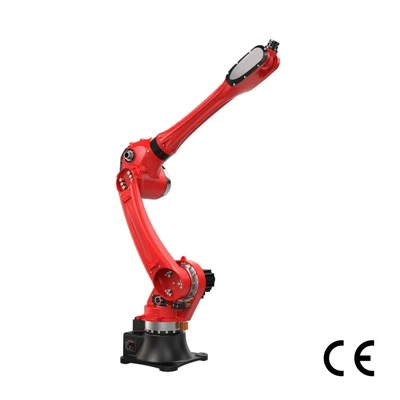
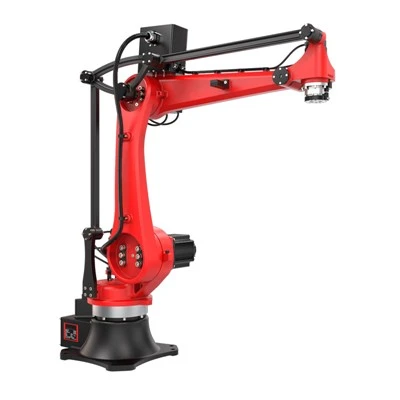
One of the fundamental anti - static measures is the use of conductive materials in the construction of the robot. Conductive polymers and metals are incorporated into key parts of the robot, such as the grippers and the end - effectors. These materials allow static charges to flow through them and be safely dissipated to the ground. For instance, our Column Palletizer uses conductive rubber in its gripper pads, which not only provides a good grip on the products but also effectively conducts static electricity away.
Ionizing Bars
Ionizing bars are another important anti - static feature. These bars generate a stream of positive and negative ions, which neutralize the static charges on the products and the surrounding environment. Our Industrial Palletizing Robot is often equipped with ionizing bars near the pick - up and placement areas. As the robot moves the products, the ionizing bars continuously work to eliminate static charges, ensuring that the products remain free from static - induced problems.
Grounding Systems
Proper grounding is essential for preventing the build - up of static electricity. Our palletizing robots are designed with comprehensive grounding systems. All metal components of the robot are connected to a grounding cable, which is then connected to a reliable earth ground. This ensures that any static charges that accumulate on the robot are quickly and safely discharged. In addition, the workstations where the robots operate are also grounded, creating a complete anti - static environment. Our Automated Palletizing Robot has a highly efficient grounding system that minimizes the risk of static - related issues during operation.
Anti - Static Coatings
We also apply anti - static coatings to certain parts of the robot. These coatings have low surface resistance, which helps to prevent the accumulation of static charges. The coatings are durable and can withstand the harsh conditions of industrial environments. For example, the outer surface of the robot's arm may be coated with an anti - static material, which not only reduces static build - up but also protects the arm from scratches and corrosion. The Robotic Case Palletizer benefits from this anti - static coating technology, ensuring smooth and reliable operation.
Benefits of Anti - Static Features in Palletizing Robots
The presence of anti - static features in our palletizing robots offers numerous benefits to our customers.
Improved Product Quality
By eliminating static - related problems such as product sticking and dust attraction, the anti - static features help to maintain the high quality of the products being palletized. This is crucial for industries where product appearance and integrity are of utmost importance, such as the cosmetics and consumer goods industries.
Enhanced Operational Efficiency
Reduced static electricity means fewer malfunctions and less downtime for the palletizing robot. The robot can operate more smoothly and accurately, picking and placing products at a consistent rate. This leads to increased productivity and lower production costs in the long run. Our Automatic Robotic Palletizer, with its advanced anti - static features, has been proven to improve operational efficiency significantly in many industrial settings.
Longer Equipment Lifespan
The anti - static features also protect the robot's electronic and mechanical components from the damaging effects of static discharges. This extends the lifespan of the equipment, reducing the need for frequent repairs and replacements. As a result, our customers can enjoy a lower total cost of ownership over the life of the robot.
Conclusion
In conclusion, the anti - static features of our palletizing robots are a crucial part of their design. They help to overcome the challenges posed by static electricity in industrial environments, ensuring high - quality product handling, efficient operation, and long - term reliability.
If you're looking for a palletizing robot that offers excellent anti - static performance, we invite you to explore our products in more detail. We're always ready to have in - depth discussions about your specific requirements and provide you with the most suitable solutions. Contact us to start the procurement negotiation process and take the first step towards improving your palletizing operations.
References
- "Industrial Robotics: Technology, Programming, and Applications" by John A. Rehg and Gregory D. Hager.
- "Automation in Manufacturing: Fundamentals, Technologies, and Applications" by Yoram Koren.
- Industry - specific research papers on static electricity management in industrial environments.