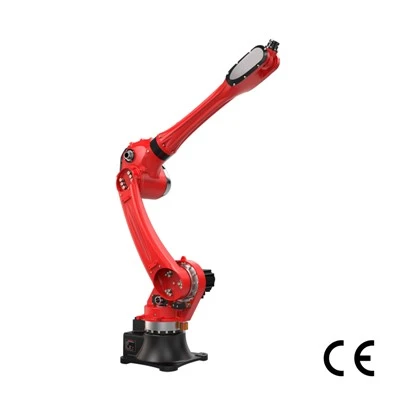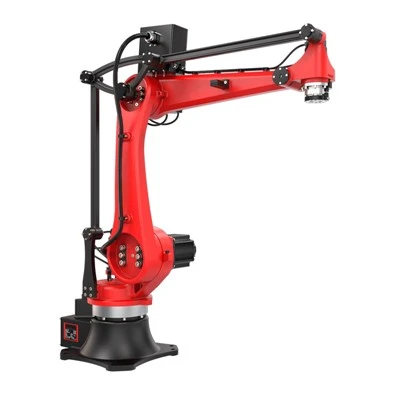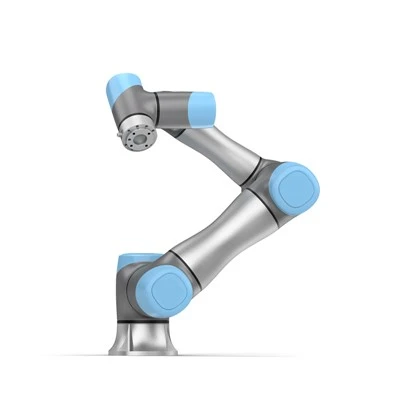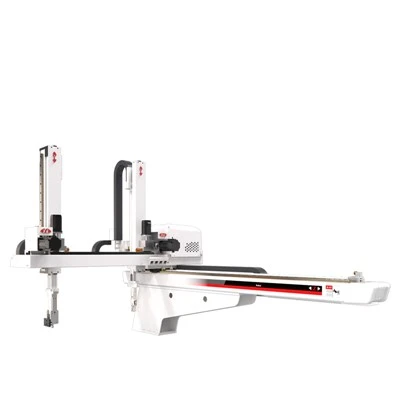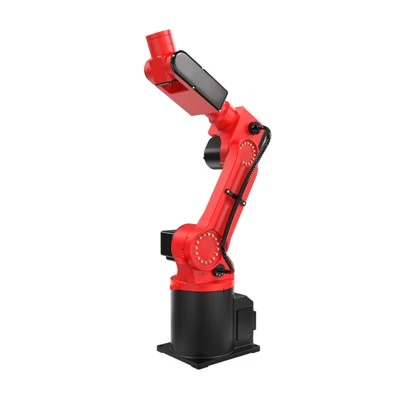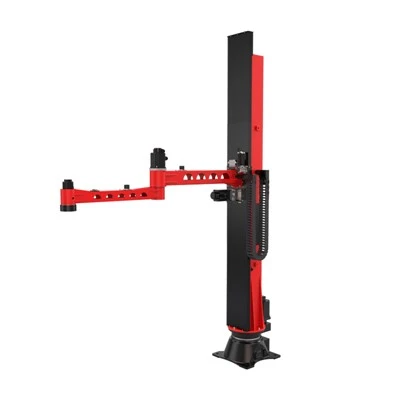


Ensuring the safety of operators when using a Molding Machine Robot is of paramount importance. As a leading supplier of Molding Machine Robots, we understand the critical role that safety plays in the workplace. In this blog post, we will explore various strategies and best practices to guarantee the well - being of operators handling our sophisticated robotic systems.
1. Comprehensive Training Programs
Proper training is the first line of defense in ensuring operator safety. When new operators are introduced to our Injection Machine Robot, they must undergo in - depth training sessions. These sessions cover all aspects of the robot's operation, from basic start - up procedures to complex programming tasks.
The training should be hands - on, allowing operators to interact with the machine under the supervision of experienced trainers. They will learn how to load and unload molds, set the correct operating parameters, and understand the robot's safety features. Additionally, we offer regular refresher courses to keep operators updated on the latest safety protocols and technological advancements.
2. Installation of Safety Devices
Our Molding Machine Robots are equipped with a variety of safety devices. One of the most important is the emergency stop button. Placed in easily accessible locations around the robot, the emergency stop button allows operators to immediately halt the robot's operation in case of an emergency.
Another crucial safety device is the light curtain. The light curtain creates an invisible barrier around the working area of the robot. If an operator's body part breaks the light beam, the robot will automatically stop, preventing potential collisions. This technology is particularly useful during tasks such as mold change or minor adjustments, when operators may need to be in close proximity to the robot.
Safety interlocks on access doors also play a vital role. These interlocks ensure that the robot will not operate when an access door is open. This prevents operators from accidentally entering the danger zone while the robot is in motion.
3. Risk Assessment and Hazard Identification
Before introducing a Plastic Injection Molding Robot into a production environment, a thorough risk assessment must be conducted. Our team of experts will analyze the work process, the layout of the workspace, and the potential hazards associated with the robot's operation.
We identify factors such as pinch points, crushing zones, and areas where flying debris may pose a risk. Once these hazards are identified, we develop appropriate mitigation strategies. For example, if there are pinch points near the robot's joints, we may install protective guards to prevent operators from getting their fingers or hands caught.
4. Regular Maintenance and Inspection
Regular maintenance is essential to keep the Molding Machine Robot in optimal condition and to ensure the continued functionality of safety devices. Our maintenance team follows a strict schedule for inspecting and servicing the robots.
During these inspections, we check the integrity of safety devices such as emergency stop buttons, light curtains, and interlocks. We also examine the mechanical components of the robot, such as the joints, belts, and motors, to ensure they are in good working order. Any signs of wear or damage are addressed immediately to prevent potential safety issues.
5. Safety - Oriented Design
Our Imm Robot is designed with safety as a top priority. The design of the robot takes into account the ergonomics of the operators. For example, the control panel is placed at a comfortable height and angle, allowing operators to easily access and operate the controls without straining their bodies.
The robot's movements are also carefully programmed to minimize the risk of collisions. The software includes algorithms that detect obstacles in the robot's path and automatically adjust its trajectory to avoid them. Additionally, the outer casing of the robot is made of materials that are resistant to impact and can protect the internal components in case of accidental collisions.
6. Safety Culture Promotion
Creating a safety - conscious culture in the workplace is essential for ensuring operator safety. We encourage our customers to implement safety training programs not only for new employees but also for existing ones as an ongoing initiative.
Management should lead by example and emphasize the importance of safety in all aspects of the production process. Regular safety meetings should be held to discuss any safety concerns, share best practices, and review recent safety incidents. By fostering a culture where safety is everyone's responsibility, operators will be more likely to follow safety procedures and report potential hazards.
7. Personal Protective Equipment (PPE)
Providing appropriate personal protective equipment is another key aspect of operator safety. Operators should wear safety glasses to protect their eyes from flying debris, gloves to protect their hands from sharp edges or hot surfaces, and safety shoes to prevent foot injuries from falling objects.
We educate our customers on the importance of PPE and provide guidelines on how to choose the right type of equipment for different tasks. By ensuring that operators are properly equipped, we can further reduce the risk of injuries.
8. Operator Monitoring and Feedback
Implementing a system to monitor operator behavior can help identify potential safety issues before they result in accidents. This can include video surveillance of the work area, which allows supervisors to observe how operators interact with the Plastic Injection Robot on a regular basis.


We also encourage operators to provide feedback on the safety of the equipment and the work environment. Their first - hand experience can offer valuable insights into potential areas of improvement. For example, an operator may notice that a particular safety device is difficult to access or that a certain work process is more dangerous than it should be. By listening to their feedback, we can make necessary adjustments to enhance safety.
9. Integration of Safety Features in Software
The software that controls our Molding Machine Robots is designed to include advanced safety features. For example, the robot's software can be programmed to limit the force and speed of its movements. This is particularly important when the robot is working in close proximity to operators.
The software also includes diagnostic tools that can detect malfunctions or abnormal behavior in the robot. In case of a problem, the software can send alerts to supervisors, allowing them to take immediate action. Moreover, the software is regularly updated to patch any security vulnerabilities and to improve the overall safety performance of the robot.
Contact for Procurement
If you are interested in purchasing our top - quality Molding Machine Robots, we invite you to reach out to us for more information. Our team of experts is ready to assist you in choosing the right robot for your specific needs and to provide detailed information on safety features and solutions. Ensuring operator safety is at the core of our product design and service. We look forward to the opportunity to work with you and contribute to the success of your production operations.
References
- ISO 10218:2011, Safety of industrial robots - Part 1: Robots and Part 2: Robot systems and integration.
- OSHA guidelines for industrial robot safety.
- Industry best practices for the safe operation of molding machine robots.