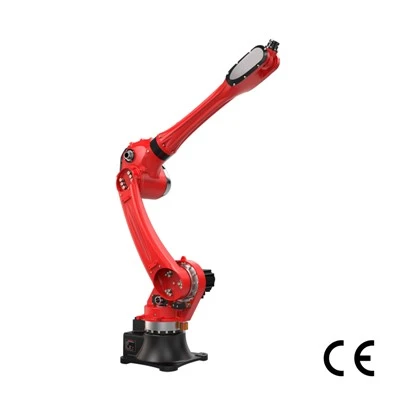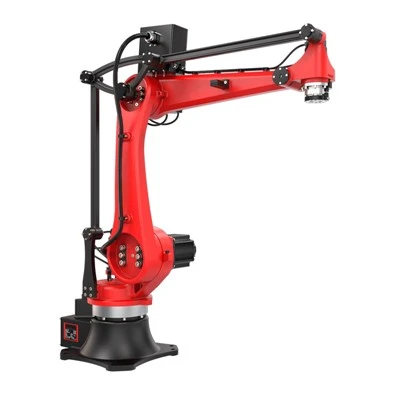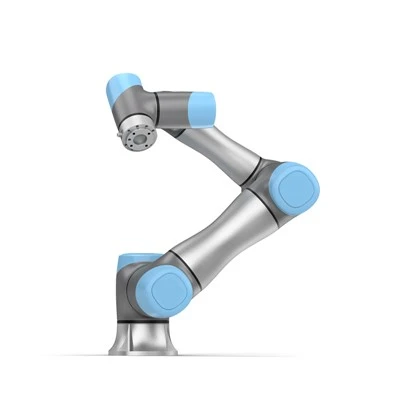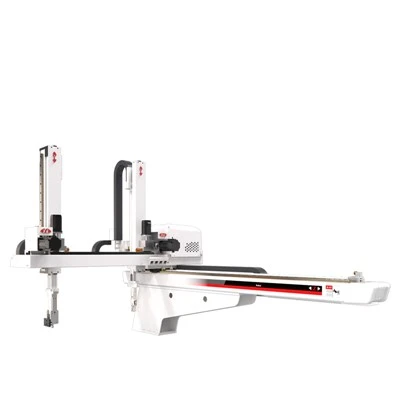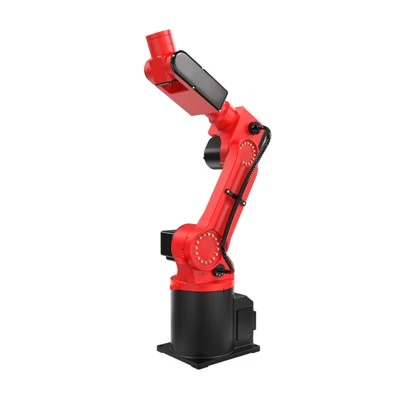


In today's fast - paced retail industry, the efficiency of distribution centers is of utmost importance. Retailers constantly strive to optimize their operations to reduce costs, improve order fulfillment speed, and enhance customer satisfaction. One technology that has shown great potential in revolutionizing the retail distribution process is the Box Palletizing Robot. As a premier supplier of these advanced robots, I am eager to explore in detail whether a Box Palletizing Robot can indeed be effectively used in a retail distribution center.
The Current Challenges in Retail Distribution Centers
Retail distribution centers face several challenges that impact their productivity and profitability. Firstly, the high volume of products flowing in and out of these centers requires a significant amount of manual labor. Workers are often tasked with the repetitive and physically demanding job of palletizing boxes. This not only poses a risk of injury to the workers but also limits the overall throughput of the distribution center. According to industry reports, manual palletizing can result in productivity bottlenecks, especially during peak seasons.
Secondly, with the rise of e - commerce, the variety of products and box sizes has increased significantly. Retailers need to handle different SKUs (Stock Keeping Units) on a daily basis, each with its unique dimensions and weight. This makes it difficult for manual labor to maintain consistent and efficient palletizing patterns. In addition, the accuracy of palletizing is crucial for the safe transportation and storage of products. Incorrectly stacked pallets can lead to product damage during transit, resulting in losses for the retailer.
Capabilities of a Box Palletizing Robot
A Box Palletizing Robot is designed to address the challenges mentioned above. These robots are equipped with advanced sensors and programming that allow them to accurately identify and handle different box sizes and shapes. With high - precision robotic arms, they can pick up boxes from conveyors or other sources and stack them neatly on pallets in a pre - determined pattern.
One of the key advantages of a Box Palletizing Robot is its speed. These robots can operate at a much faster pace than human workers, significantly increasing the throughput of the distribution center. They can work continuously without breaks, fatigue, or the need for shift changes, ensuring a consistent level of productivity throughout the day.
In terms of flexibility, modern Box Palletizing Robots are highly adaptable. They can be easily reprogrammed to handle different box sizes and palletizing patterns. This is particularly useful in retail distribution centers where the product mix is constantly changing. Whether it's small, lightweight boxes or large, heavy ones, the robot can adjust its operation accordingly.
Integration with Existing Retail Distribution Center Systems
Integrating a Box Palletizing Robot into an existing retail distribution center system is relatively straightforward. These robots can be connected to the center's conveyor systems, allowing for seamless transfer of boxes from the production line or storage area to the pallets. They can also communicate with the Warehouse Management System (WMS), receiving real - time data on the products to be palletized, such as box size, weight, and destination.
Moreover, the robot can be programmed to work in harmony with other automated equipment in the distribution center, such as automated guided vehicles (AGVs). This integration further enhances the overall efficiency of the distribution process, reducing the time and effort required for product handling and storage.
Cost - effectiveness
When considering the implementation of a Box Palletizing Robot in a retail distribution center, cost - effectiveness is a crucial factor. While the initial investment in a robot may seem high, the long - term savings are substantial. By reducing the need for manual labor, retailers can cut down on labor costs, including wages, benefits, and training expenses.
In addition, the increased productivity and accuracy provided by the robot can lead to fewer product damages and losses. This directly translates into cost savings for the retailer. Over time, the return on investment (ROI) of a Box Palletizing Robot is often very favorable, making it a sound financial decision for retail distribution centers.
Comparison with Other Palletizing Solutions
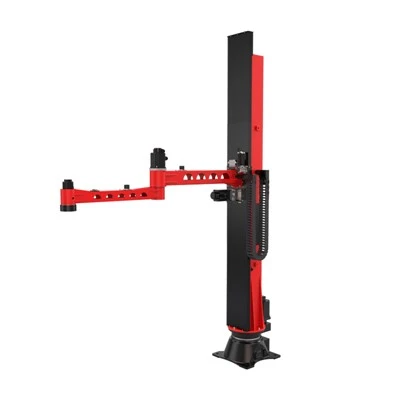
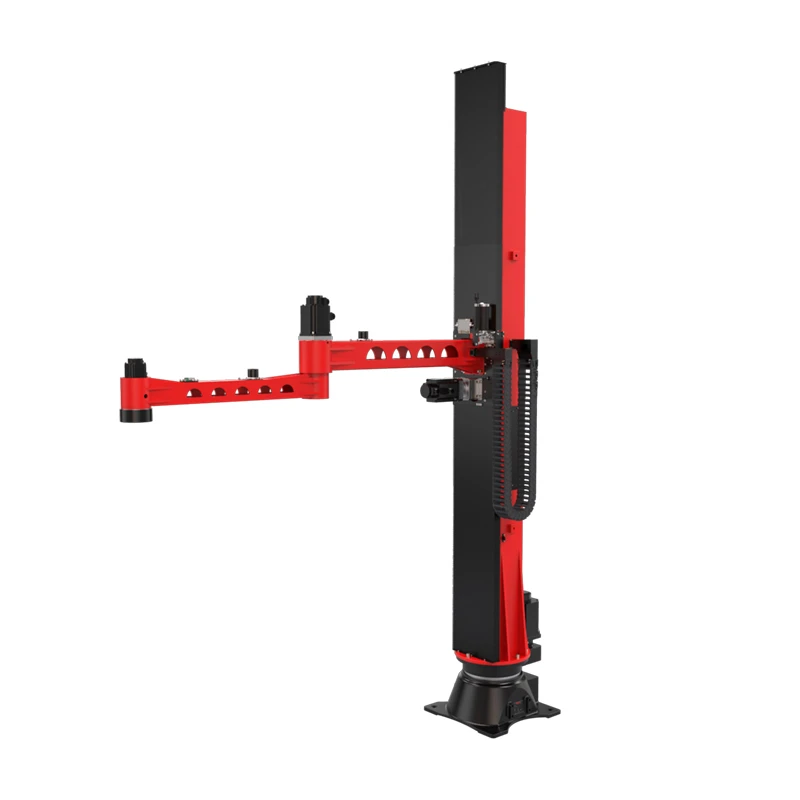
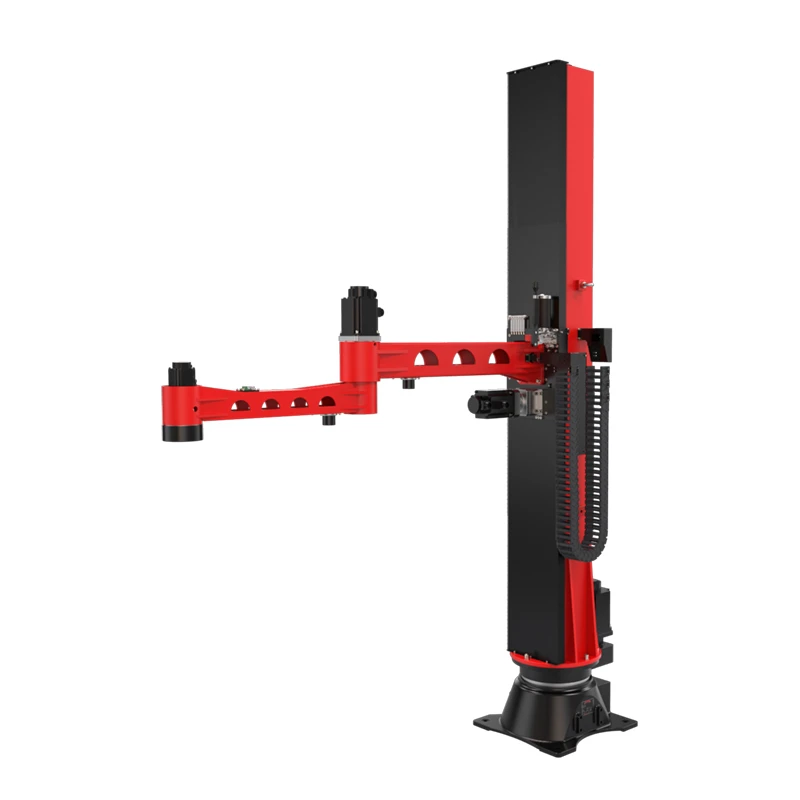
There are other types of palletizing solutions available in the market, such as Column Palletizing Robot, Industrial Palletizing Robot, Automatic Robotic Palletizer, and Column Palletizer. While these solutions have their own advantages, a Box Palletizing Robot is specifically tailored to handle box - shaped products, which are the most common items in retail distribution centers.
Column Palletizing Robots are suitable for heavy - duty applications and high - volume stacking, but they may not offer the same level of flexibility as a Box Palletizing Robot when it comes to handling different box sizes. Industrial Palletizing Robots are more general - purpose and can be used in a variety of industries, but they may not have the specialized programming and sensors required for efficient box palletizing in a retail environment.
Automatic Robotic Palletizers and Column Palletizers are also designed for palletizing operations, but a Box Palletizing Robot can provide a more customized and efficient solution for retail distribution centers due to its ability to handle the specific requirements of box - shaped products.
Case Studies
There are already several successful case studies of retail distribution centers implementing Box Palletizing Robots. For example, a large - scale grocery retailer installed a fleet of Box Palletizing Robots in one of its distribution centers. The robots were able to handle the diverse range of box sizes and products, from small packets of snacks to large cases of beverages. As a result, the distribution center saw a significant increase in throughput, with the ability to process more orders per day.
In another case, a fashion retailer integrated Box Palletizing Robots into its distribution operations. The robots were programmed to handle the different sizes of clothing boxes, ensuring that they were stacked neatly and securely on pallets. This not only improved the efficiency of the distribution process but also reduced the risk of product damage during transportation.
Conclusion
In conclusion, a Box Palletizing Robot can be an excellent addition to a retail distribution center. It addresses the key challenges faced by these centers, such as high labor costs, low productivity, and the need for handling diverse product sizes. With its speed, flexibility, and cost - effectiveness, it offers a reliable solution for optimizing the palletizing process.
If you are a retail distribution center looking to improve your operations, I highly recommend considering a Box Palletizing Robot. Our company is a leading supplier of these advanced robots, with a team of experts who can provide you with customized solutions based on your specific needs. We invite you to contact us for a detailed consultation and to discuss how our Box Palletizing Robot can transform your distribution center.
References
- "Automation in Retail Distribution Centers: Trends and Benefits", Journal of Retail Logistics, 2022.
- "The Impact of Robotic Palletizing on Productivity in the Retail Industry", International Journal of Supply Chain Management, 2023.
- Industry reports from leading market research firms on the adoption of robotics in retail distribution.