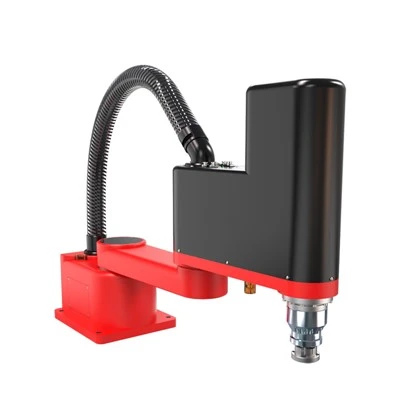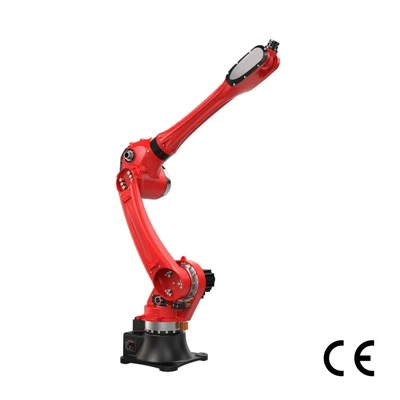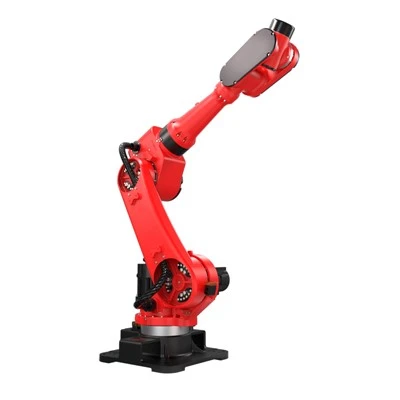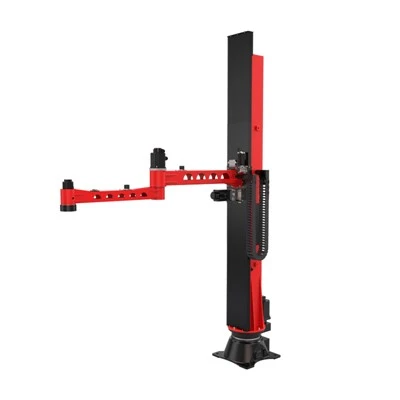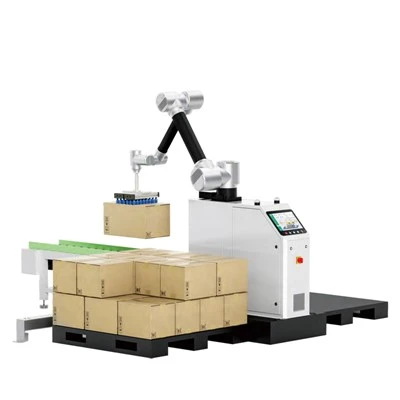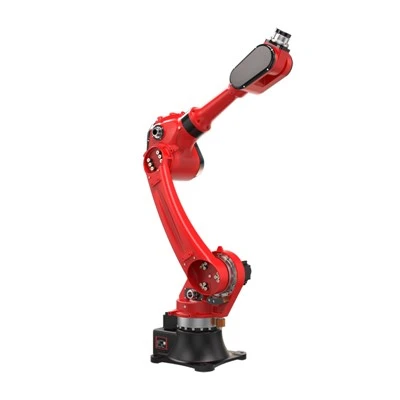


Designing a feeding system for a plastic injection robot is a crucial step in ensuring smooth and efficient production in the plastic injection molding industry. As a supplier of Plastic Injection Robots, I've seen firsthand how a well - designed feeding system can make or break a production line. In this blog, I'll share some key insights on how to design an effective feeding system for your plastic injection robot.
Understanding the Basics
First off, let's talk about the basic requirements of a feeding system for a plastic injection robot. The main goal is to supply the right amount of plastic material at the right time to the injection molding machine. The material used in plastic injection molding can vary widely, from simple thermoplastics to more complex engineering polymers. Each material has its own properties, like melting point, viscosity, and flow rate, which need to be taken into consideration when designing the feeding system.
You can check out Robots for Injection Molding to get a better understanding of the types of robots used in this process and how they integrate with the feeding system.
Material Handling
The way you handle the plastic material is the foundation of your feeding system. There are several methods available for material handling, and the choice depends on factors such as the type of plastic, production volume, and the layout of your manufacturing facility.
One common method is the use of hoppers. Hoppers are large containers that store the plastic resin. They can be gravity - fed, where the material simply flows down into the injection molding machine due to gravity, or they can be equipped with augers. Augers are screw - like devices that help move the material from the hopper to the machine, ensuring a consistent flow.
For more information on the types of robots that work in tandem with these material handling systems, visit Plastic Injection Robot.
Another option is using a pneumatic conveying system. This system uses air pressure to transport the plastic pellets from a storage area to the injection molding machine. Pneumatic conveying is great for handling large volumes of material over long distances. However, it requires careful design to prevent issues like material degradation or blockages in the pipes.
Feeding Accuracy
Accuracy is key when it comes to feeding plastic material to the injection molding machine. If you feed too much material, it can lead to over - filling and waste, while too little material can result in incomplete parts. To achieve high feeding accuracy, you can use a volumetric or gravimetric feeder.
A volumetric feeder measures the volume of the plastic material being fed. It's a relatively simple and cost - effective option, but it may not be as accurate as a gravimetric feeder, especially when dealing with materials that have different densities.
A gravimetric feeder, on the other hand, measures the weight of the material. This method is much more precise as it takes into account the density variations of the plastic. With a gravimetric feeder, you can ensure that the injection molding machine receives the exact amount of material required for each cycle. You can learn more about the role of robots in maintaining this accuracy by visiting Imm Robot.
Integration with the Plastic Injection Robot
The feeding system must be seamlessly integrated with the plastic injection robot. The robot is responsible for tasks such as loading the molds, removing the finished parts, and sometimes even assisting in the feeding process. The feeding system should be able to coordinate its operation with the robot's movements to ensure smooth production.
Communication between the feeding system and the robot is essential. This can be achieved through a Programmable Logic Controller (PLC) or other control systems. The PLC can be programmed to trigger the feeding system at the right time, based on the robot's position and the status of the injection molding process.
For details on how the Plastic Injection Molding Robot integrates with the feeding system, the linked page provides valuable insights.
Safety Considerations
Safety is non - negotiable when designing a feeding system for a plastic injection robot. The handling of plastic materials, especially when dealing with high - temperature and high - pressure injection molding processes, can be dangerous if proper safety measures are not in place.
The feeding system should be enclosed to prevent any accidental contact with the moving parts or hot plastic. Safety sensors can be installed to detect any abnormal conditions, such as blockages or over - filling, and automatically shut down the system to prevent damage or injury.
Maintenance and Troubleshooting
A well - designed feeding system should also be easy to maintain. Regular maintenance is necessary to ensure the longevity and efficiency of the system. This includes cleaning the hoppers, inspecting the augers or pneumatic pipes for wear and tear, and calibrating the feeders.
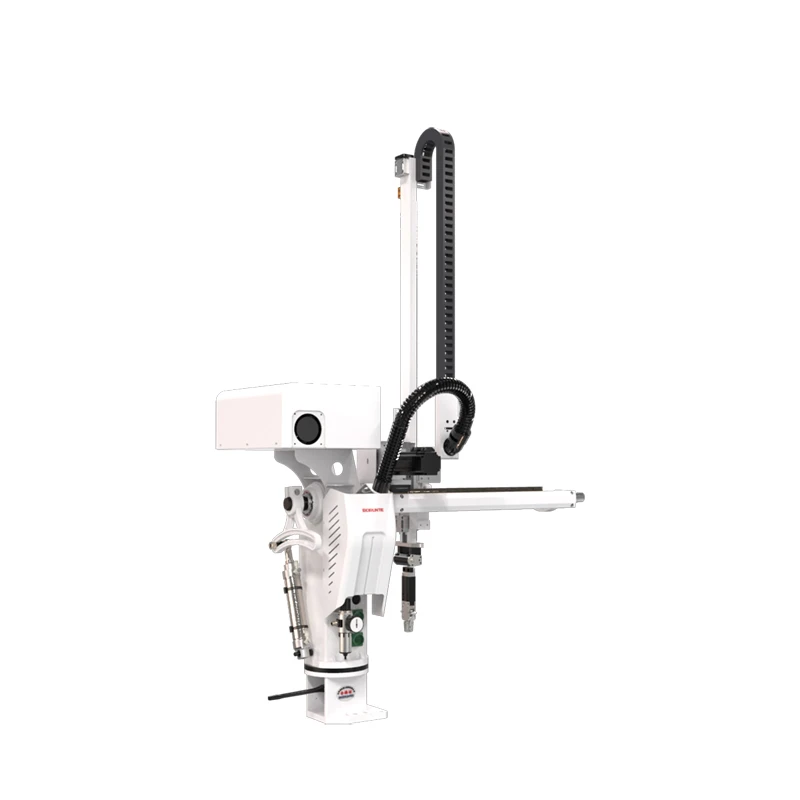
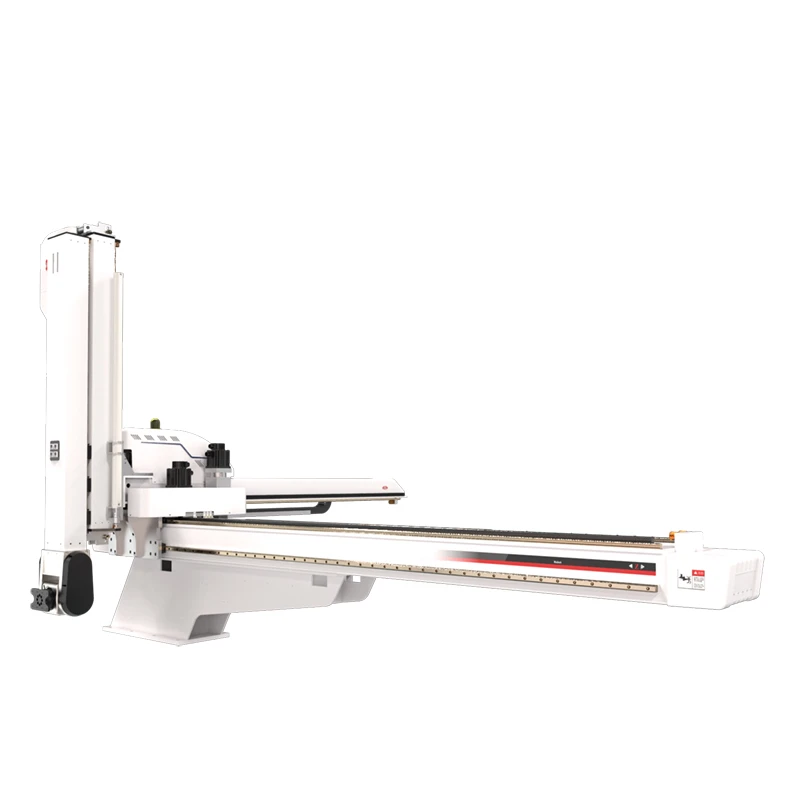
In case of any issues, the feeding system should be designed in a way that allows for easy troubleshooting. Modular designs are great for this purpose as they allow you to isolate and replace faulty components quickly. You can find out more about the maintenance requirements of robots used in this context on the Molding Machine Robot page.
Cost - Effectiveness
Finally, cost - effectiveness is an important factor in designing a feeding system. You need to balance the initial investment cost with the long - term operating costs. While high - end gravimetric feeders and pneumatic conveying systems can provide excellent performance, they may also come with a higher price tag.
On the other hand, simpler volumetric feeders and gravity - fed hoppers are more budget - friendly but may have limitations in terms of accuracy and throughput. Consider your production requirements and budget carefully when choosing the components of your feeding system.
Contact for Procurement
Designing a feeding system for a plastic injection robot is a complex but rewarding process. If you're in the market for a Plastic Injection Robot and need help with designing a feeding system that meets your specific needs, don't hesitate to reach out. We're here to assist you in making the best choices for your production line.