

In the realm of modern manufacturing, welding robots have emerged as indispensable assets, revolutionizing the welding process with their precision, efficiency, and repeatability. As a leading welding robot supplier, we are committed to not only providing high - performance machines but also addressing one of the most pressing concerns in industrial operations: energy consumption. In this blog, we will explore how our welding robots optimize energy consumption during the welding process.
Advanced Motion Planning
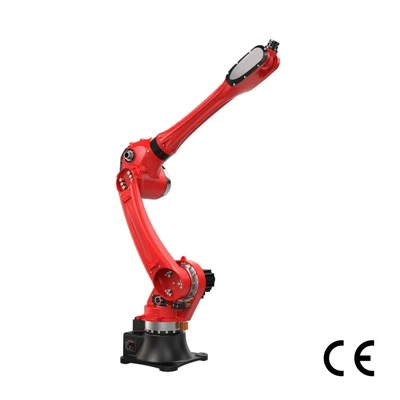
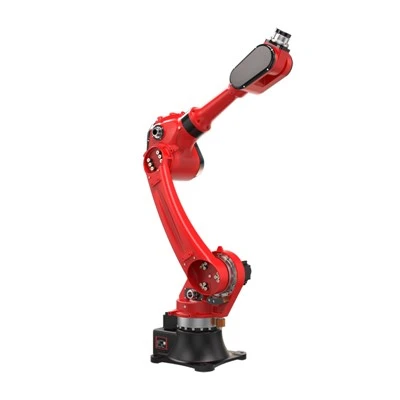
One of the primary ways our welding robots optimize energy use is through advanced motion planning algorithms. Traditional welding methods may involve excessive movement of the welding equipment, which consumes unnecessary energy. Our 6 - axis Welding Robot is designed with state - of - the - art motion planning software. This software analyzes the welding task, including the shape and size of the workpiece, and calculates the most efficient path for the robot to follow.
By minimizing unnecessary movements, such as long detours or excessive acceleration and deceleration, the robot reduces the energy required to move the welding torch. For example, in a complex welding project where multiple seams are to be welded on a large workpiece, the motion planning software can determine the shortest path that allows the robot to complete all the welding tasks without wasting energy on redundant movements. This not only saves energy but also reduces the overall cycle time, increasing productivity.
Adaptive Power Control
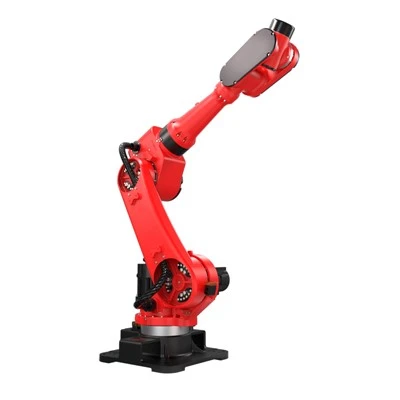
Our Automatic Welding Robot is equipped with adaptive power control technology. Welding processes typically require a certain amount of power to melt the filler material and create a strong weld. However, different welding tasks may have different power requirements depending on factors such as the thickness of the workpiece, the type of welding joint, and the welding speed.
The adaptive power control system in our robots continuously monitors these parameters during the welding process. It adjusts the power output of the welding power source in real - time to ensure that only the necessary amount of energy is used. For instance, when welding a thin section of the workpiece, the system will reduce the power output to avoid over - heating and wasting energy. Conversely, when welding a thicker section, it will increase the power to ensure a proper weld. This dynamic adjustment of power based on the actual welding needs significantly optimizes energy consumption.
Energy - Efficient Components
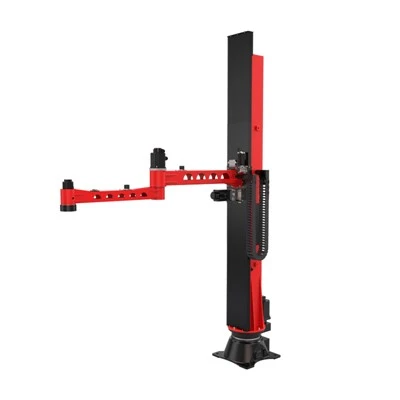
The choice of components in our welding robots also plays a crucial role in energy optimization. Our Robotic Arm for Welding is constructed using lightweight yet strong materials. A lighter robotic arm requires less energy to move compared to a heavier one. For example, we use advanced alloys and composite materials that offer high strength - to - weight ratios. This reduces the load on the robot's motors, which in turn consumes less electrical energy during operation.
In addition, our robots are fitted with energy - efficient motors and drives. These components are designed to convert electrical energy into mechanical energy with high efficiency. They have low power losses and can operate at optimal efficiency levels over a wide range of speeds and loads. The use of such energy - efficient components not only reduces the overall energy consumption of the robot but also extends the lifespan of the motor and drive systems, reducing maintenance costs.
Standby and Sleep Modes
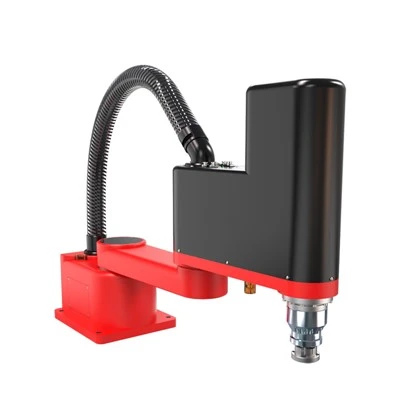
To further optimize energy consumption, our Welding Industrial Robot is programmed with standby and sleep modes. During periods of inactivity, such as when waiting for a new workpiece to be loaded or during a scheduled break in the production cycle, the robot automatically enters a standby mode. In this mode, the robot reduces its power consumption by shutting down non - essential systems while still remaining ready to resume operation quickly.
If the inactivity period is longer, the robot can enter a sleep mode. In sleep mode, the power consumption is further reduced to a minimum level. The robot wakes up immediately when a new welding task is initiated, ensuring that there is no significant delay in production. This feature helps to save a substantial amount of energy, especially in manufacturing environments where there are frequent periods of non - operation.
Monitoring and Data Analytics
We also provide advanced monitoring and data analytics capabilities for our welding robots. These systems collect data on various aspects of the welding process, including energy consumption, welding parameters, and robot performance. By analyzing this data, manufacturers can identify areas where energy optimization can be further improved.


For example, the data analytics system can detect patterns of excessive energy consumption during certain welding operations. It can then provide recommendations on how to adjust the welding parameters or the robot's operation to reduce energy use. This data - driven approach allows for continuous improvement in energy efficiency over time.
Conclusion
In conclusion, our welding robots offer a comprehensive set of features and technologies to optimize energy consumption during the welding process. From advanced motion planning and adaptive power control to energy - efficient components and intelligent standby modes, every aspect of our robots is designed with energy efficiency in mind.
As a welding robot supplier, we understand that energy consumption is a significant cost factor for manufacturers. By providing robots that can reduce energy use without sacrificing performance, we help our customers to lower their operating costs and improve their environmental footprint.
If you are interested in learning more about our welding robots and how they can optimize your energy consumption, we invite you to contact us. Our team of experts is ready to answer your questions and assist you in selecting the right welding robot for your specific needs. Let's work together to achieve greater energy efficiency and productivity in your manufacturing operations.
References
- Erkorkmaz, K., & Altintas, Y. (2001). CNC system design for contour machining with minimum feed fluctuation and energy consumption. International Journal of Machine Tools and Manufacture, 41(9), 1305 - 1323.
- Dornfeld, D., Azarm, S., & Wright, P. K. (Eds.). (2012). Handbook of Manufacturing Engineering and Technology. Springer Science & Business Media.
- Cai, Z., & Chen, X. (2016). Energy - efficient scheduling of robotic welding cells with parallel robots. IEEE Transactions on Automation Science and Engineering, 13(2), 603 - 613.