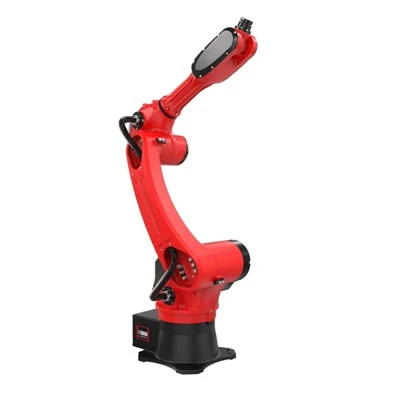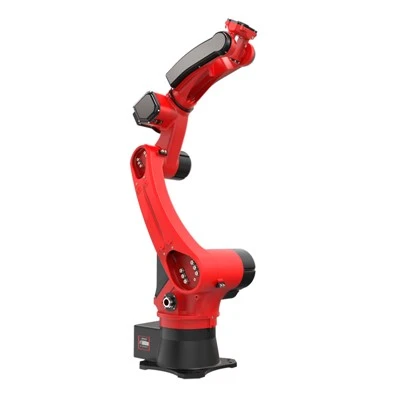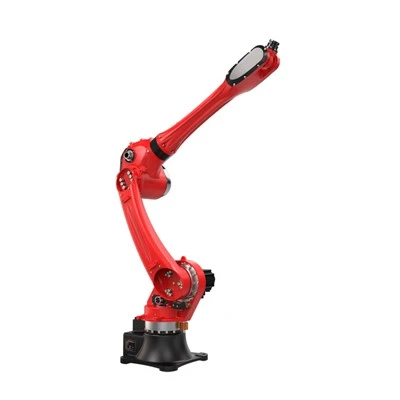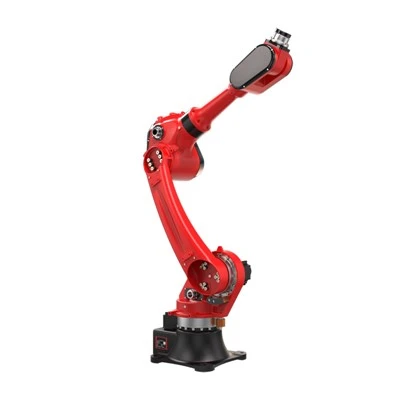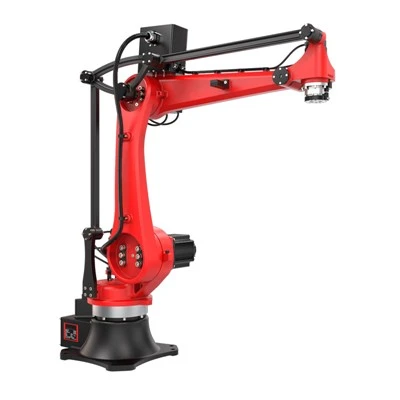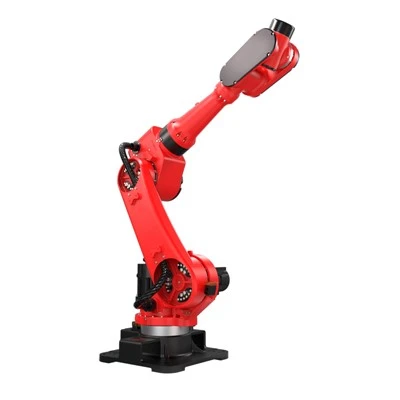

Industrial robots are mechanical devices that perform tasks such as handling, assembly, welding, painting, and inspection of objects in industrial production environments through automatic control and reprogrammability. They typically possess programmability, automatic control, and multi-degree-of-freedom motion capabilities, and can execute specific industrial tasks under pre-set programs or external control system instructions, thereby replacing or assisting manual labor in performing repetitive and high-precision operations. Industrial robots generally consist of a main mechanical structure, joint drive and transmission mechanisms, a control system, sensors, and an end effector. Their design and manufacturing require comprehensive consideration of indicators such as motion space, load capacity, and repeatability, which are also key aspects of industry standardization assessments.
As fundamental equipment in modern manufacturing systems, the application of industrial robots globally has expanded from traditional assembly line handling and arc welding scenarios to more complex industrial tasks such as sorting, inspection, palletizing, and automated loading and unloading of machine tools. Compared to traditional fixed automated equipment, industrial robots have significant advantages in operational flexibility, adaptability, and adaptability, and can quickly switch tasks by changing the end effector and adjusting the program, adapting to the manufacturing needs of multi-variety, small-batch production models.
The concept and practice of industrial robots began in the late 1950s. The "Unimeter," jointly developed by Joseph Engelberger and George de Vol, was put into use at General Motors in 1961, marking the beginning of the development of industrial robots. Currently, the operation and effectiveness of industrial robots are not only related to their mechanical structure but also influenced by the synergy of control software, sensing technology, and field integration systems. With advancements in sensing and artificial intelligence technologies, robots are developing towards intelligence and information technology; multi-robot collaboration and communication technologies are driving their evolution towards networked cooperation.