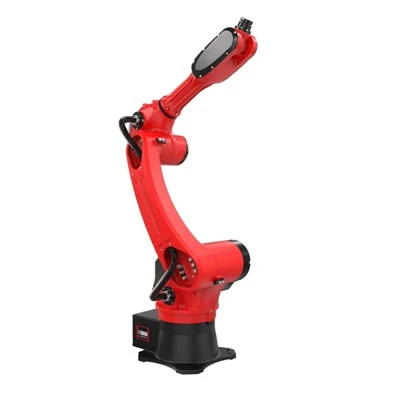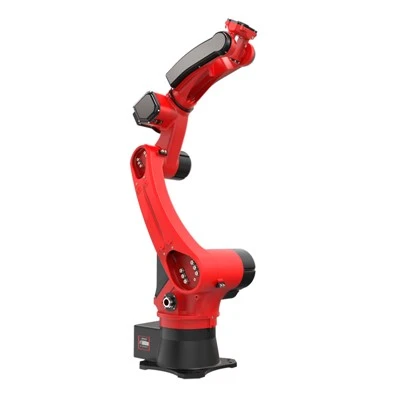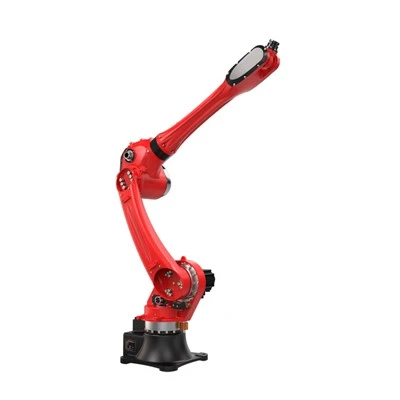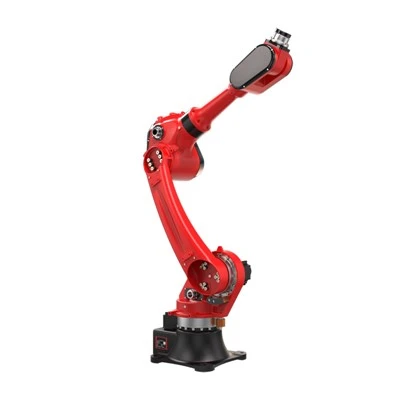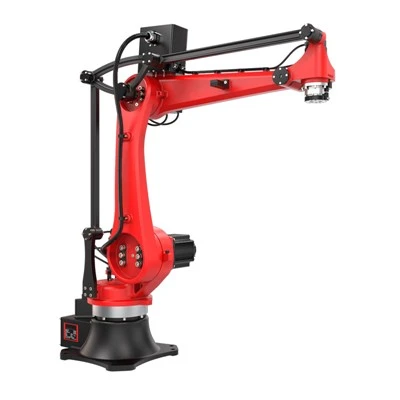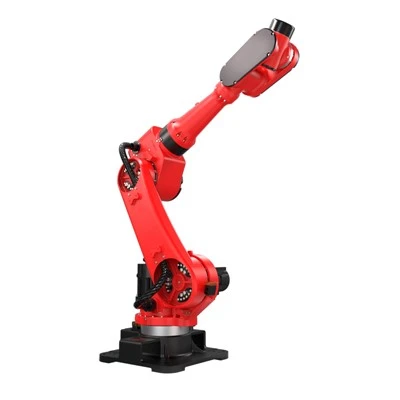

Against the backdrop of surging demands for flexible manufacturing and personalization, CNC robots are penetrating more industries from traditional sectors like automotive and 3C. Their core advantages lie in:
Precision and stability: Repeatability generally reaches within ±0.1mm, far exceeding human operation levels.
Scene adaptability: Tasks can be switched simply by changing the robot's gripper and programming.
Cost controllability: With increasing domestic production rates, even small and medium-sized enterprises can afford basic models.
Currently, the two most mature applications are assembly robots and painting robots. The former excels at repetitive tasks involving the assembly of precision parts, while the latter solves the challenges of operating in high-risk environments.