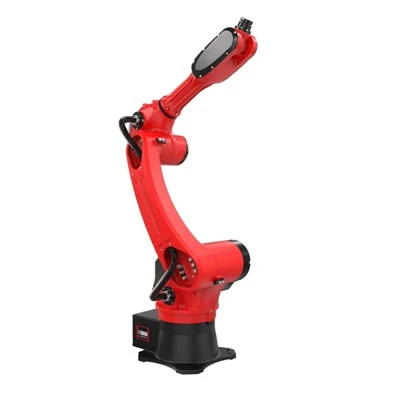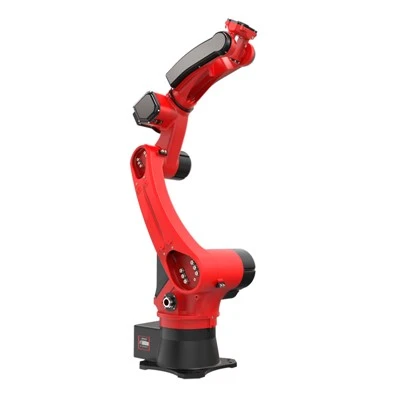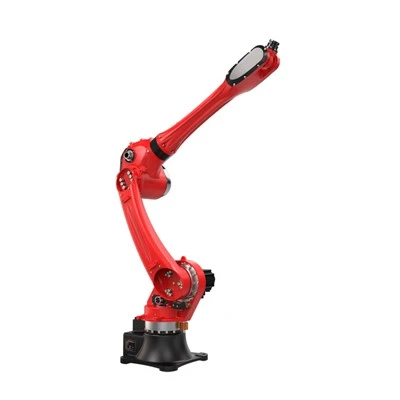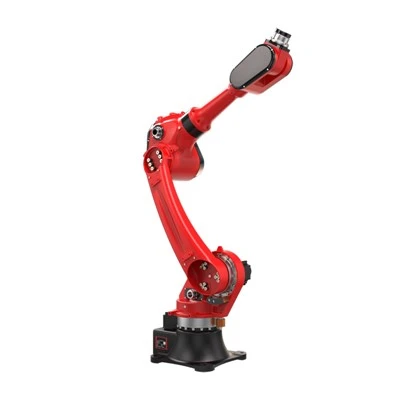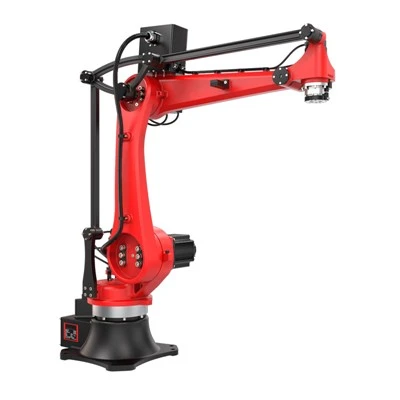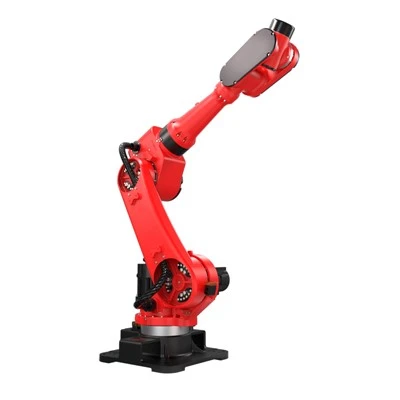

The core of enterprise selection of industrial robots is "scenario adaptation + parameter matching + cost controllability". There is no need to blindly pursue high-end parameters. Combining the following 4-step selection method, you can accurately match your own needs and avoid selection traps:
1. Clarify the operation requirements and scenarios: First determine the type of operation (welding, palletizing, loading and unloading, etc.), workpiece parameters (weight, size, shape), production rhythm, and operation space, and clarify the core requirements (such as accuracy, load, speed), and avoid blind selection. For example, if a machining company needs to complete machine tool loading and unloading, they can give priority to loading and unloading robots, focusing on load, working radius and accuracy; if automobile manufacturing companies need to complete welding operations, they can choose welding robots, focusing on accuracy, protection level and welding stability.
2. Match subdivision categories and parameters: According to the job requirements, select the corresponding subdivision categories, then combine the workpiece parameters and production needs to match the core parameters. For example, to palletize materials weighing 20kg, you can choose a palletizing robot with a load of about 30kg (reserve a safety margin). The working radius is 1500-2000mm according to the size of the working area, and the accuracy is ±0.1mm. For fine assembly operations, you can choose a collaborative robot or a high-precision assembly robot, with a load of 1-5kg and an accuracy of ≤±0.05mm.
3. Pay attention to core components and after-sales: Core components directly determine the service life and stability of the robot. When selecting, you need to pay attention to the quality and performance of the reducer, servo motor, and controller, and give priority to component configurations with mature technology and strong adaptability. At the same time, pay attention to the after-sales system, including after-sales response speed, spare parts supply, on-site maintenance, training services, etc., to avoid inconveniences in later maintenance.
4. Control costs and adapt to existing production lines: Small and medium-sized enterprises do not need to blindly pursue high-end models. They give priority to robots that are cost-effective and adaptable to existing production lines to avoid increased production line modification costs due to equipment upgrades. At the same time, consider the space for later upgrades and choose scalable and compatible models to facilitate subsequent upgrades and transformations when expanding production scale.