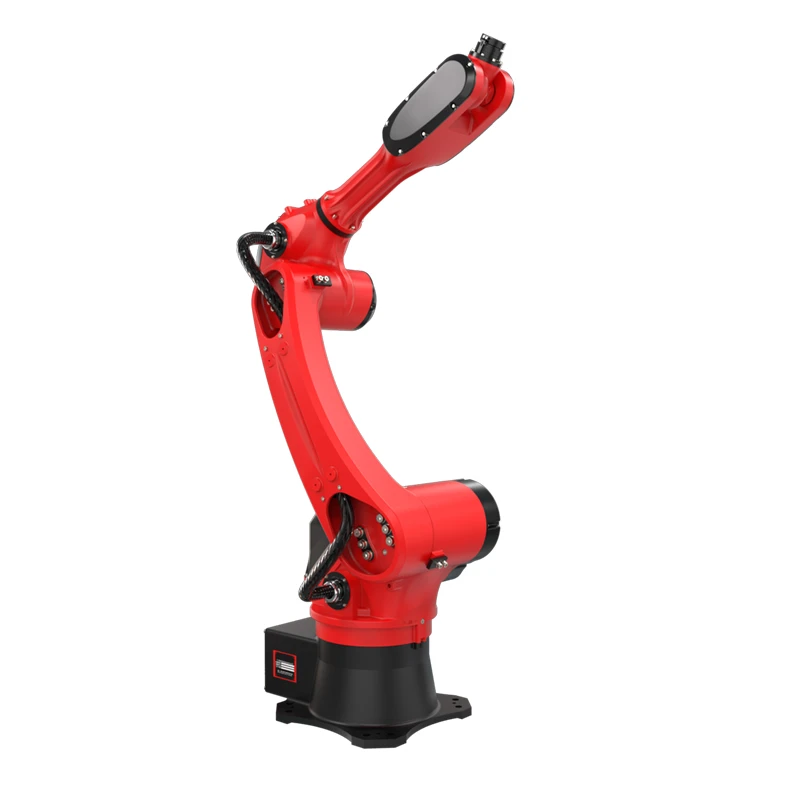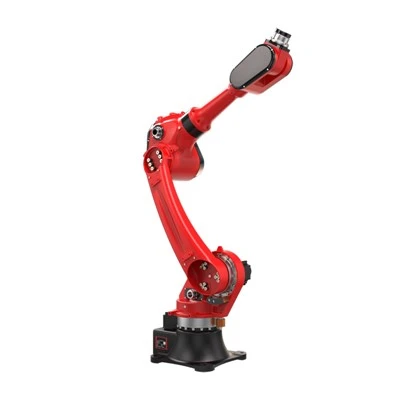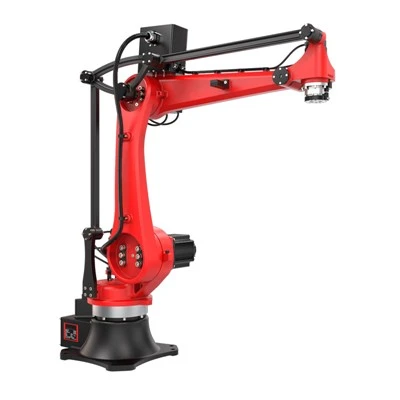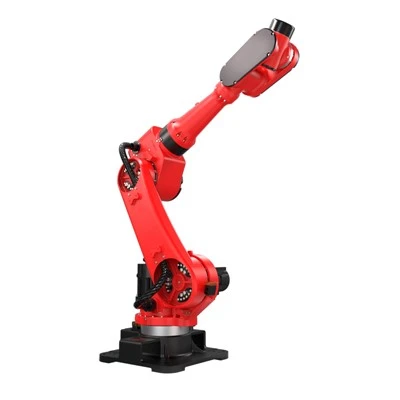

Material handling robots, as automated equipment, are widely used in various production environments and are a powerful driving force for enhancing the competitiveness of the manufacturing industry and promoting industrial upgrading.
Main Application Industries
In the automotive manufacturing industry, material handling robots are used for the assembly of automotive parts and material handling on production lines. In the electronics manufacturing industry, these robots are used for the production and assembly of electronic components such as semiconductor chips and circuit boards. In the pharmaceutical manufacturing industry, material handling robots are commonly used for drug packaging, labeling, and material handling on production lines.
In the food processing industry, these robots are typically used for food packaging, sorting, and material handling to ensure the hygiene and safety of food processing. In the metalworking industry, material handling robots are used for the production and processing of metal parts, retrieving raw materials from storage areas or conveyor belts and feeding them into machine tools. In the chemical industry, these robots are typically used for the packaging and filling of chemical products and material handling on production lines.
Typical Application Scenarios
Loading and unloading on CNC machine tools is the most classic application scenario, where robots are responsible for the automatic change of workpieces for lathes, milling machines, machining centers, and other equipment. Collaborative robots are compatible with various machine tools, including CNC lathes, milling machines, drilling machines, and grinding machines, supporting 24/7 continuous operation. In stamping and injection molding, robots can transfer sheet metal on stamping production lines and precisely remove molded parts from molds in injection molding.
Furthermore, robots can be used for loading and unloading on grinding, inspection, and assembly lines, sequentially feeding workpieces to multiple grinding machines for processing, transporting them to inspection stations for quality checks, and providing point-to-point delivery of parts to assembly lines.
The applications of loading and unloading robots are widely covering core areas of modern industry such as machining, automotive manufacturing, electronic assembly, and aerospace.