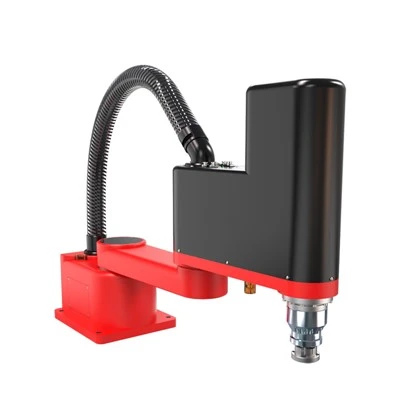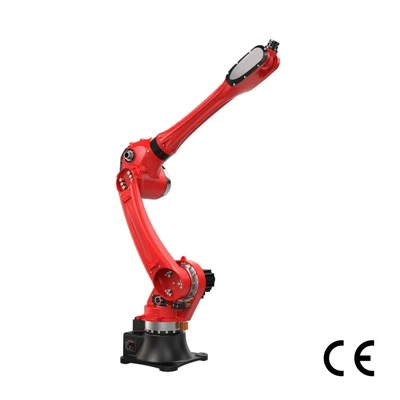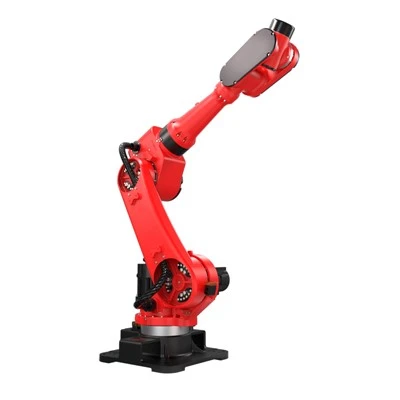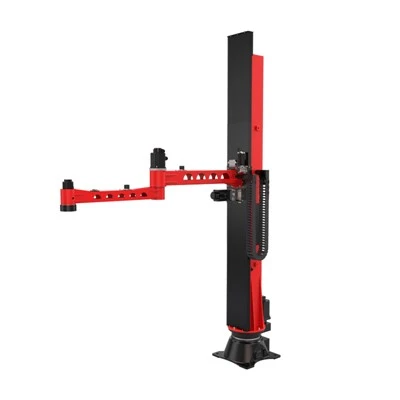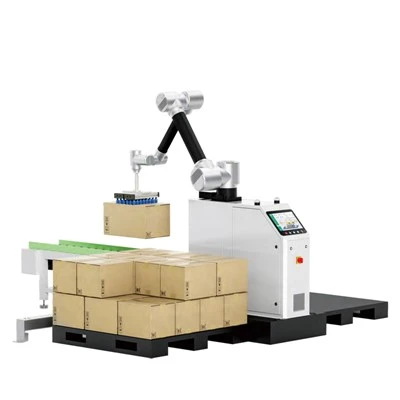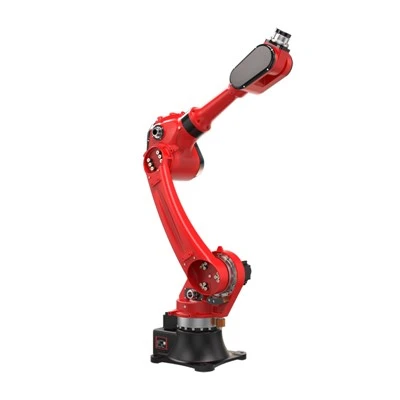


Hey there! As a supplier of CNC Tending Robots, I've seen firsthand how these amazing machines can handle workpieces of different sizes. In this blog post, I'm gonna share with you the ins and outs of how a CNC Tending Robot deals with various workpiece dimensions.
Understanding the Basics of a CNC Tending Robot
First off, let's quickly go over what a CNC Tending Robot is. A CNC Tending Robot is a specialized industrial robot designed to load and unload workpieces into and from CNC machines. It automates the process, which not only boosts efficiency but also reduces the risk of human error.
Adaptability to Different Workpiece Sizes
One of the key features of a good CNC Tending Robot is its ability to handle workpieces of different sizes. Here's how it does it:
1. Adjustable Grippers
The gripper is the part of the robot that actually holds the workpiece. Most CNC Tending Robots come with adjustable grippers. These grippers can be adjusted to accommodate workpieces of different widths, lengths, and even shapes. For example, some grippers have a variable opening range. You can set the opening width according to the size of the workpiece you're dealing with. This way, whether you have a small, delicate part or a large, bulky one, the robot can securely hold it.
2. Tool Changers
In addition to adjustable grippers, many CNC Tending Robots are equipped with tool changers. This means that the robot can swap out different grippers or other tools depending on the requirements of the workpiece. If you have a series of workpieces with very different sizes and shapes, the robot can quickly change to the appropriate tool for each one. For instance, it might use a small, precision gripper for tiny components and a large, heavy-duty gripper for bigger parts.
3. Vision Systems
Vision systems play a crucial role in enabling the robot to handle workpieces of different sizes. These systems use cameras and sensors to detect the size, shape, and position of the workpiece. Once the robot has this information, it can adjust its movements and gripping strategy accordingly. For example, if the vision system detects that a workpiece is larger than expected, the robot can adjust the position of its gripper to ensure a proper hold.
Programming and Setup
To make the CNC Tending Robot work effectively with different workpiece sizes, proper programming and setup are essential.
1. Teach Pendant Programming
Most CNC Tending Robots are programmed using a teach pendant. This is a handheld device that allows you to manually move the robot to different positions and record those movements. When dealing with workpieces of different sizes, you can program the robot to move to specific locations based on the size of the workpiece. For example, you can teach the robot to approach a large workpiece from a different angle than a small one.
2. Offline Programming
Offline programming is another option. With this method, you can create the robot's program on a computer without actually using the physical robot. This is especially useful when you have a large number of workpieces with different sizes. You can simulate the robot's movements and make adjustments to the program before implementing it on the actual robot.
Real - World Applications
Let's take a look at some real - world scenarios where a CNC Tending Robot handles workpieces of different sizes.
1. Automotive Manufacturing
In the automotive industry, there are countless parts of different sizes, from small bolts to large engine blocks. A CNC Machine Tending Robot can be used to load and unload these parts from CNC machines. The robot's adjustable grippers and vision systems allow it to handle each part with precision, ensuring that the manufacturing process runs smoothly.
2. Electronics Production
In electronics production, workpieces can range from tiny microchips to larger circuit boards. A CNC Loading Robot can be programmed to handle these different sizes. The robot can pick up the small chips with a delicate gripper and place them accurately on the circuit boards, while also being able to handle the larger boards with a more robust gripper.
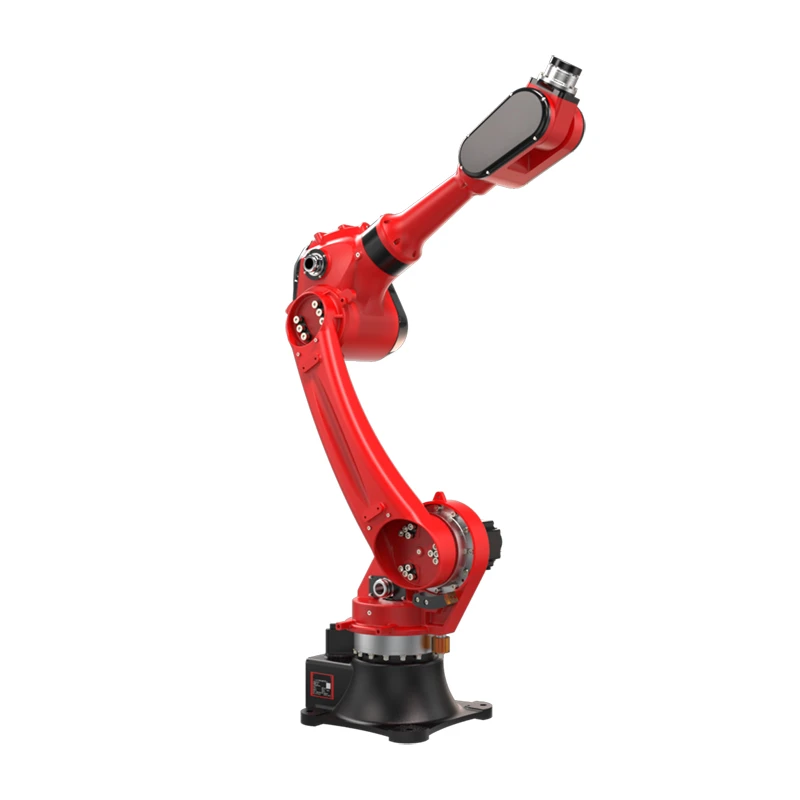
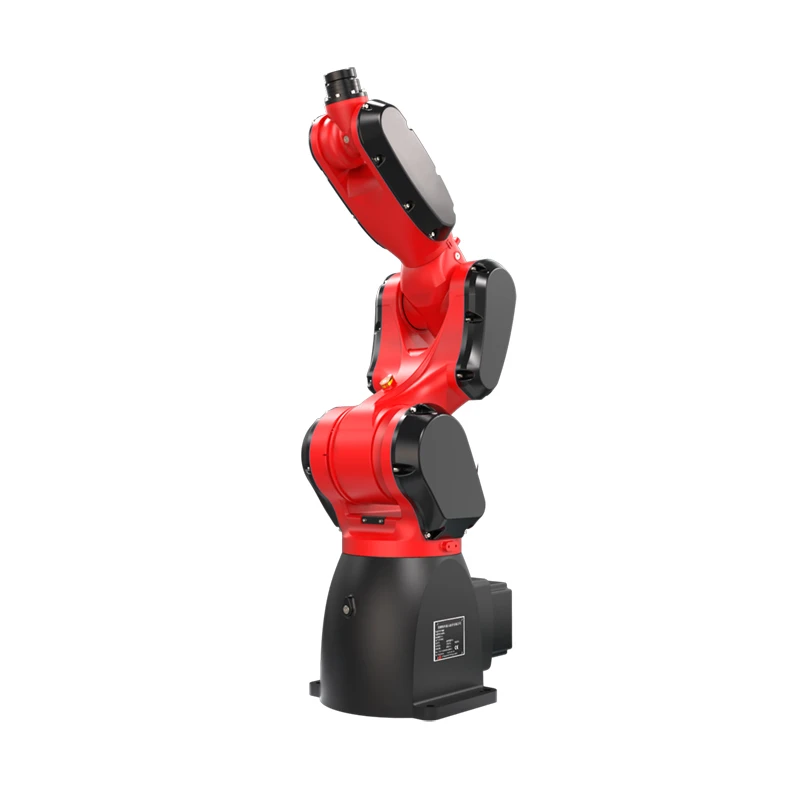
Advantages of Using a CNC Tending Robot for Different Workpiece Sizes
1. Increased Efficiency
By being able to handle workpieces of different sizes, the CNC Tending Robot can work continuously without the need for manual intervention for each different part. This significantly increases the overall efficiency of the manufacturing process.
2. Improved Quality
The robot's precision and consistency ensure that each workpiece is handled correctly, regardless of its size. This leads to improved quality control and fewer defective products.
3. Cost Savings
Automating the loading and unloading process with a CNC Tending Robot reduces labor costs. Additionally, the increased efficiency and quality can lead to cost savings in the long run.
Conclusion
In conclusion, a CNC Tending Robot is a versatile and powerful tool for handling workpieces of different sizes. Its adjustable grippers, tool changers, and vision systems, combined with proper programming and setup, allow it to adapt to a wide range of workpiece dimensions. Whether you're in the automotive, electronics, or any other manufacturing industry, a CNC Tending Robot can bring significant benefits to your production process.
If you're interested in learning more about how our CNC Tending Robots can meet your specific needs for handling workpieces of different sizes, feel free to reach out to us for a detailed discussion and a potential purchase. We're here to help you take your manufacturing process to the next level.
References
- Industrial Robotics Handbook
- Journal of Manufacturing Technology and Automation