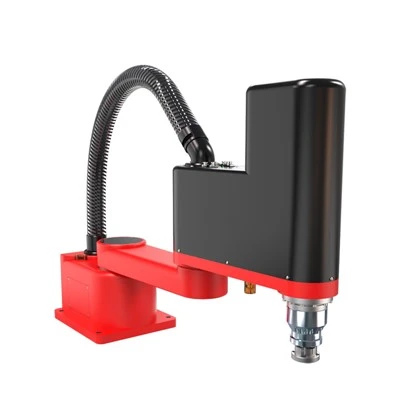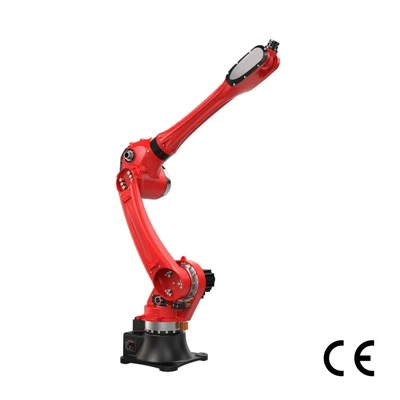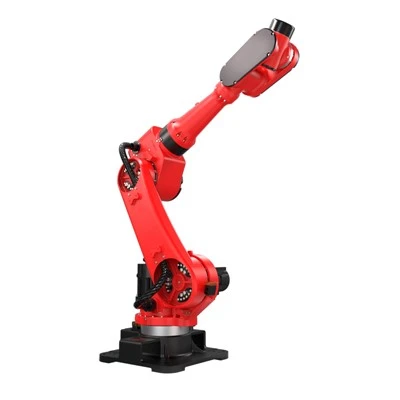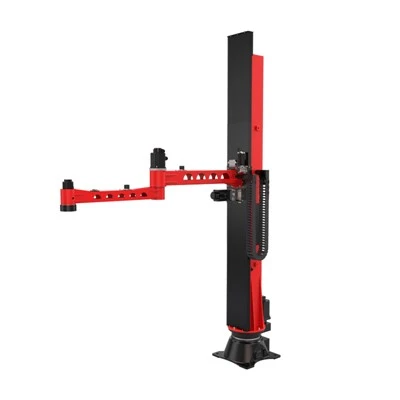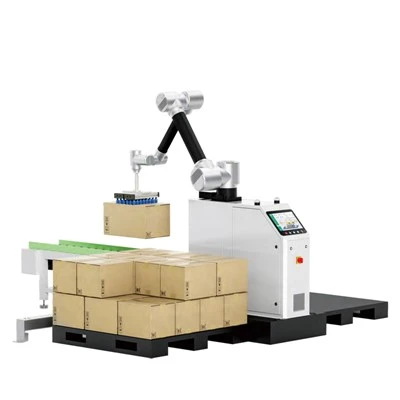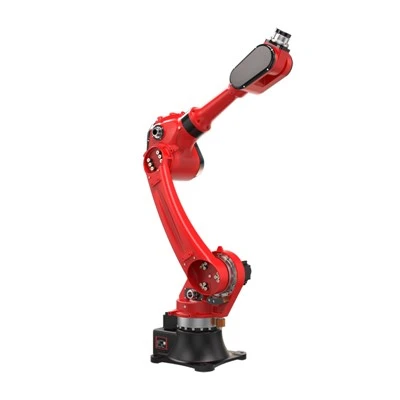


As a supplier of Imm Robot, I often get asked about the energy sources that power these amazing machines. In this blog post, I'll break down the different energy sources Imm Robots use, explain the pros and cons of each, and how they impact the overall performance of the robots.
Electricity
The most common energy source for Imm Robots Imm Robot is electricity. Most robots are designed to be plugged into a standard electrical outlet, just like your everyday household appliances. This makes them incredibly convenient to operate, as you don't have to worry about refueling or maintaining a complex fuel system.
One of the main advantages of using electricity is its efficiency. Electric motors are highly efficient at converting electrical energy into mechanical motion, which means that Imm Robots can operate for longer periods with less energy consumption. This not only saves you money on your electricity bills but also reduces the overall carbon footprint of your operations.
Another benefit of electric-powered Imm Robots is their quiet operation. Unlike combustion engines, which can be noisy and disruptive, electric motors run silently. This is especially important in manufacturing environments where noise pollution can be a major issue for workers.
However, there are some downsides to using electricity as an energy source. One of the main limitations is the range of the robot. Since the robot needs to be plugged into a power source, its movement is restricted to the length of the power cord. This can be a problem in large manufacturing facilities where the robot needs to cover a wide area.
To overcome this limitation, some manufacturers have developed battery-powered Imm Robots. These robots are equipped with rechargeable batteries that can be easily replaced or recharged when they run out of power. This gives the robot greater mobility and flexibility, allowing it to move freely around the manufacturing floor.
Pneumatics
In addition to electricity, some Imm Robots also use pneumatics as an energy source. Pneumatics is a type of power system that uses compressed air to generate motion. In a pneumatic system, air is compressed and stored in a tank, and then released through a series of valves and cylinders to move the robot's joints and actuators.
One of the main advantages of using pneumatics is its simplicity. Pneumatic systems are relatively easy to design and maintain, and they can be easily integrated into existing manufacturing processes. They are also very reliable, with fewer moving parts compared to electric or hydraulic systems, which means less wear and tear and fewer breakdowns.
Another benefit of pneumatics is its cleanliness. Since pneumatics use air as a power source, there is no risk of oil or other fluids leaking onto the manufacturing floor, which can be a major problem in some industries. This makes pneumatic Imm Robots ideal for use in cleanroom environments, where cleanliness is of the utmost importance.
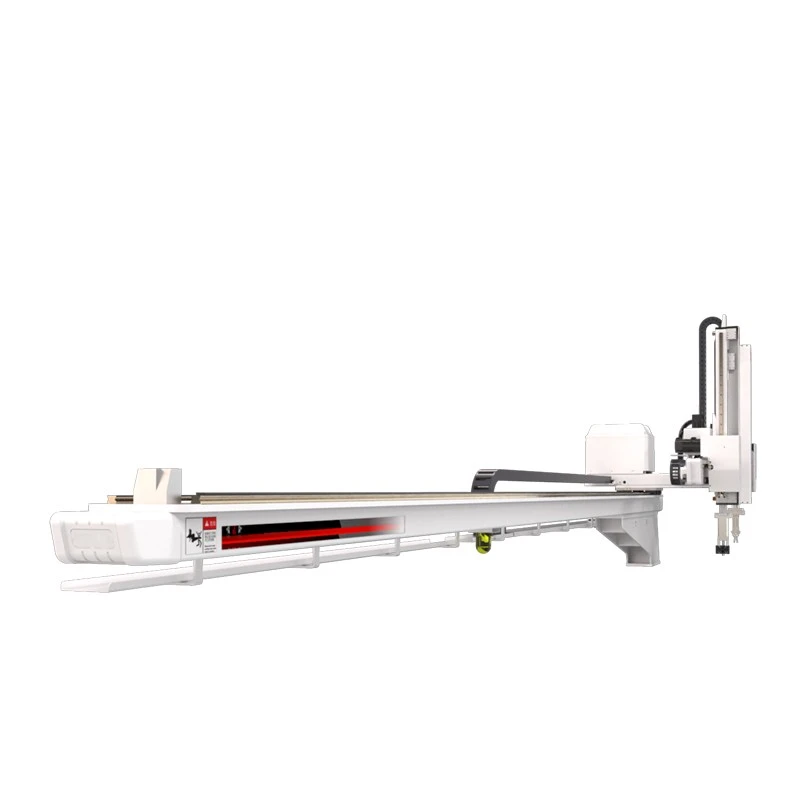
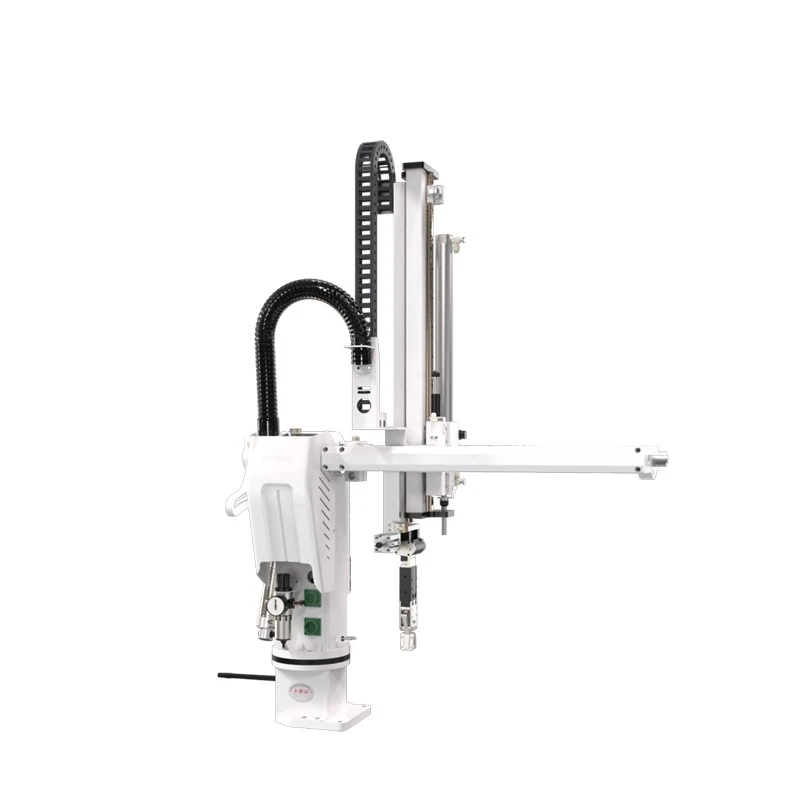
However, there are also some limitations to using pneumatics. One of the main drawbacks is its limited power. Pneumatic systems are not as powerful as electric or hydraulic systems, which means that they may not be suitable for applications that require a high level of force or precision. Additionally, pneumatics can be noisy, especially when the compressed air is released, which can be a problem in some manufacturing environments.
Hydraulics
Hydraulic systems are another energy source that is used in some Imm Robots, particularly in applications that require high levels of force and precision. Hydraulics work by using a fluid, usually oil, to transmit power from one point to another. In a hydraulic system, the fluid is pumped through a series of pipes and cylinders to move the robot's joints and actuators.
One of the main advantages of using hydraulics is its power. Hydraulic systems can generate a large amount of force, which makes them ideal for applications such as lifting heavy objects or performing high-pressure tasks. They are also very precise, with the ability to control the movement of the robot's joints and actuators with a high degree of accuracy.
Another benefit of hydraulics is its reliability. Hydraulic systems are very durable and can withstand harsh operating conditions, such as high temperatures and pressures. They are also relatively easy to maintain, with fewer moving parts compared to electric systems.
However, there are also some drawbacks to using hydraulics. One of the main limitations is its complexity. Hydraulic systems are more complex than electric or pneumatic systems, which means that they require more specialized knowledge and skills to design, install, and maintain. Additionally, hydraulics can be messy, as the fluid can leak onto the manufacturing floor if the system is not properly maintained.
Fuel Cells
Fuel cells are an emerging energy source that is being explored for use in Imm Robots. A fuel cell is a device that converts chemical energy into electrical energy through a chemical reaction. In a fuel cell system, hydrogen or another fuel is combined with oxygen to produce electricity, water, and heat.
One of the main advantages of using fuel cells is their high energy density. Fuel cells can store a large amount of energy in a small space, which means that Imm Robots can operate for longer periods without needing to be refueled. They are also very efficient, with the ability to convert a high percentage of the fuel's energy into electrical energy.
Another benefit of fuel cells is their environmental friendliness. Unlike combustion engines, which produce greenhouse gases and other pollutants, fuel cells produce only water and heat as by-products. This makes them a more sustainable energy source for Imm Robots, especially in applications where environmental concerns are a major factor.
However, there are also some challenges to using fuel cells in Imm Robots. One of the main limitations is the cost. Fuel cell technology is still relatively expensive, which means that it may not be cost-effective for some applications. Additionally, fuel cells require a supply of hydrogen or another fuel, which can be difficult to obtain in some areas.
Choosing the Right Energy Source
When choosing an energy source for your Imm Robot Injection Machine Robot, there are several factors to consider. These include the specific requirements of your application, the cost of the energy source, the availability of the energy source, and the environmental impact.
If you need a robot that can operate for long periods without needing to be refueled, then a battery-powered or fuel cell-powered robot may be the best option. If you need a robot that can generate a large amount of force, then a hydraulic-powered robot may be more suitable. If you need a robot that is simple to operate and maintain, then a pneumatic-powered robot may be the way to go.
Ultimately, the choice of energy source will depend on your specific needs and preferences. As a supplier of Imm Robots, I can help you evaluate your options and choose the energy source that is best suited for your application.
Conclusion
In conclusion, Imm Robots can use a variety of energy sources, each with its own advantages and disadvantages. Electricity is the most common energy source, offering high efficiency, quiet operation, and convenience. Pneumatics are simple, reliable, and clean, but they have limited power. Hydraulics are powerful and precise, but they are more complex and messy. Fuel cells are an emerging energy source that offer high energy density and environmental friendliness, but they are still relatively expensive.
As a supplier of Imm Robots Robots for Injection Molding, I understand the importance of choosing the right energy source for your application. If you're interested in learning more about the different energy sources available for Imm Robots, or if you're looking to purchase a robot for your manufacturing facility, please don't hesitate to contact me. I'd be happy to discuss your needs and help you find the perfect solution.
References
- Bossler, M. (2021). Industrial Robotics: Energy Efficiency and Optimization. Springer.
- Pires, F. J., & Moreira, A. P. (2019). Robotic Systems Engineering. CRC Press.
- Santos, V. P., & Tomé, J. P. (2020). Handbook of Research on Advanced Technologies and Innovations in Industrial Robotics. IGI Global.