
From "Manpower" to "Human-Machine": A Quiet Revolution
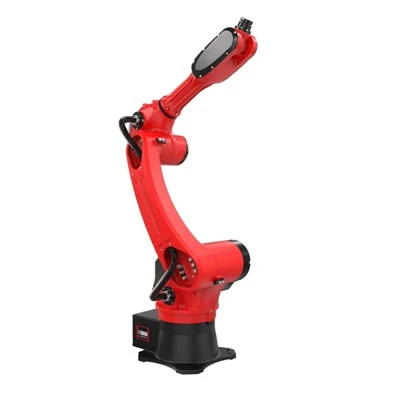
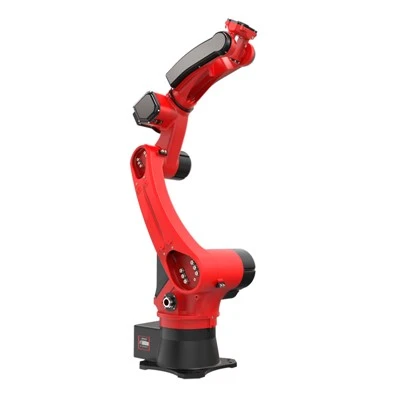
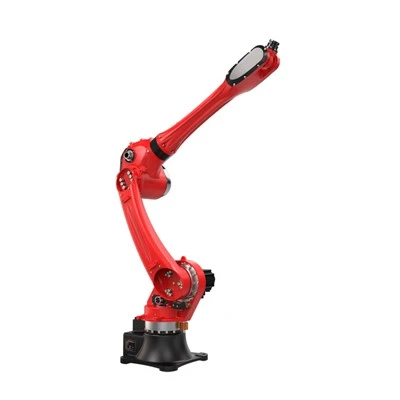
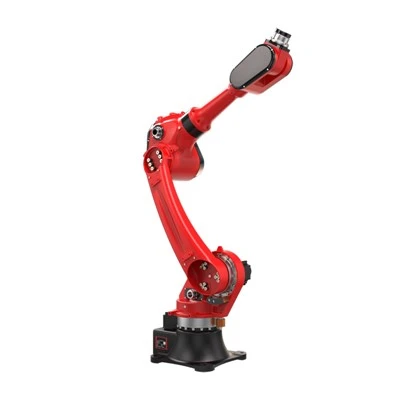
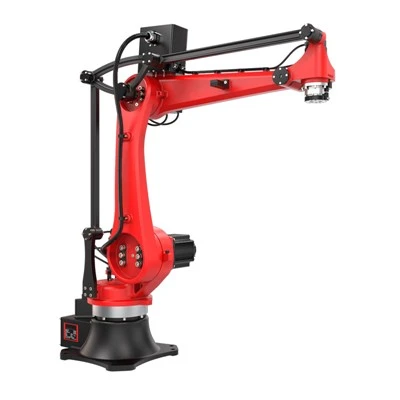
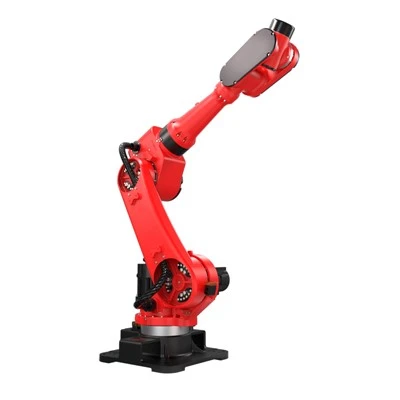
As smartphones, robot vacuums, and delivery drones have incorporated "intelligence" into daily life, the industrial battlefield is also quietly changing its weapon. In injection molding workshops, robotic arms are replacing human hands, and servo motors are replacing manual labor. A "dehumanization" revolution is driving away dust, high temperatures, and noise from workers. Today, we focus our lens on these "never-complaining" new employees to see what they have brought to established injection molding plants.
The First Key: Saving Manpower! Saving Land! Saving Worry!
One Person Oversees Two Machines, Halving the Labor Force
Traditional production lines operate on a "one person, one machine" basis. Workers stand beside the injection molding machines, picking up, placing, and picking up parts repeatedly. At fast paces, this becomes chaotic. With robots, robotic arms can reliably pick up parts in 24 seconds and neatly stack them onto conveyor belts or turnover boxes. The entire line only requires one "general dispatcher" to monitor two or even three machines simultaneously. The savings extend beyond just manpower; they also extend to access routes. Automated production lines allow equipment to be arranged side-by-side rather than in rows, instantly reducing factory space by over 30%, and lowering costs for rent, air conditioning, and lighting.
Safety Red Line: Eliminating "High-Risk Positions" The biggest fear for manual parts handling is "in-mold handling"-hands inserted into high-temperature molds can easily result in fractures if equipment malfunctions or buttons are accidentally pressed. Robots are equipped with safety light curtains, emergency stops, and finger guards. Their programmed "mold open first, then part removal" logic effectively eliminates the probability of workplace injuries. For companies operating on two or three shifts, fewer accidents mean fewer hefty compensation claims and fewer shutdowns for rectification.
The Second Key: Locking in the Cycle, Quietly Increasing Profits
Human brains tire and make excuses, leading to fluctuating production reports; robots, however, operate like Swiss watches, with a 20-second cycle that remains consistent daily, weekly, and monthly. Behind the seemingly solid numbers lies the "hidden capacity" that bosses value most-with the same area, the same equipment, and the same shifts, a robotic production line can generate 8%-12% more output per year, which translates into real profit. Even more appealing is the data transparency: the backend displays real-time cycle time, yield rate, and failure rate; a quick check on a mobile phone reveals who's slacking off and who's causing problems.
The Third Key: Digital Twins, Giving Management "Far-Reaching Vision"
Robots aren't just bulky machines; they're mobile data terminals. Each robotic arm is equipped with temperature, pressure, and position sensors, transmitting data back to the cloud in real time. If mold wear causes a part-picking failure, the system immediately issues a warning and provides alternative solutions. Night shift dispatchers no longer need to go to the site; they can see from the screen which machine needs mold replacement and which batch of raw materials requires quality inspection. Accumulated data can also automatically generate a "predictive maintenance" list, further reducing unexpected downtime by 20%.
In Conclusion: When Robots Become "New Employees"
From "one person, one machine" to "one person, multiple machines," from "high-risk manual labor" to "fully enclosed part handling," injection molding robots have quietly unlocked three doors to efficiency, safety, and profit. They won't replace engineers' creativity, but they can free them from repetitive tasks to solve higher-level product design and process challenges. The next time you walk into an injection molding workshop, you may no longer see splattered oil and waving arms, but only hear the light, rhythmic beat of mechanical joints-the new frequency of the industrial heartbeat.