

Hey there! As an Injection Machine Robot supplier, I'm super stoked to chat about the different types of these nifty machines. Injection machine robots have revolutionized the manufacturing industry, making production faster, more efficient, and way more accurate. So, let's dive right in and explore the various types available.
Cartesian Robots
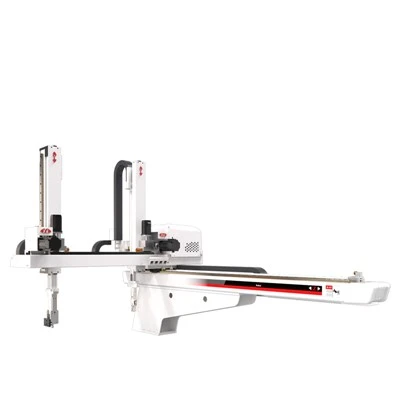
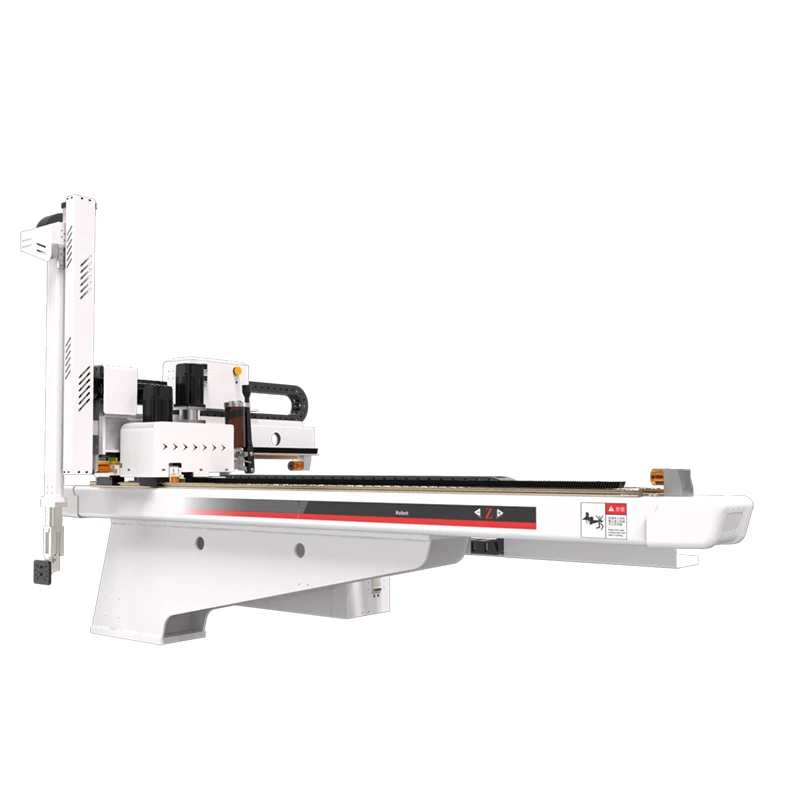
First up, we've got Cartesian robots. These bad boys are the most common type of injection machine robots out there. They move in a straight line along three axes - X, Y, and Z. Think of them as the workhorses of the injection molding world. They're super precise and can handle a wide range of tasks, from picking up finished products to inserting inserts into the mold.
One of the biggest advantages of Cartesian robots is their simplicity. They're easy to program and operate, which makes them a great choice for small to medium-sized businesses. Plus, they're relatively inexpensive compared to other types of robots. If you're looking for a reliable and cost-effective solution for your injection molding needs, a Cartesian robot might be the way to go. You can check out more about these at Injection Machine Robot.
Articulated Robots
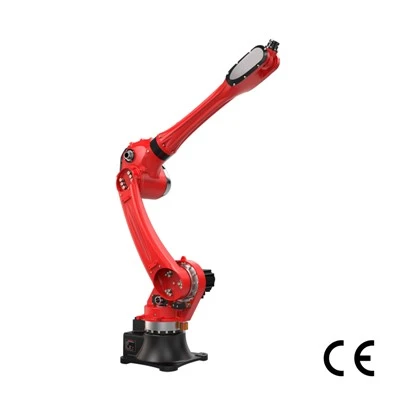
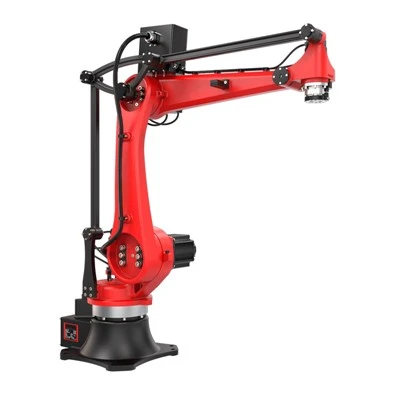
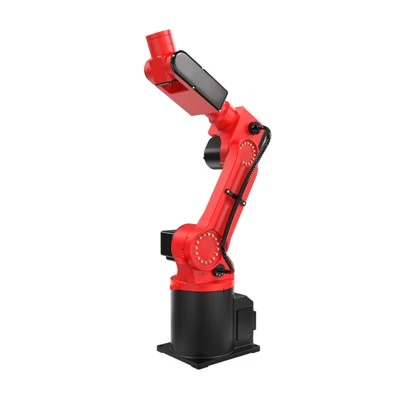
Next on the list are articulated robots. These robots have a series of joints that allow them to move in a more natural and fluid way, just like a human arm. They're incredibly versatile and can handle complex tasks with ease. Articulated robots are often used in applications where a high degree of flexibility is required, such as assembly and packaging.
One of the key benefits of articulated robots is their ability to reach into tight spaces. They can also perform tasks at different angles, which makes them ideal for applications where the mold or the finished product has an irregular shape. However, they're a bit more expensive and complex to program compared to Cartesian robots. Still, if you need a robot that can handle a wide variety of tasks and provide maximum flexibility, an articulated robot is definitely worth considering. For more details on these, head over to Robots for Injection Molding.
Scara Robots
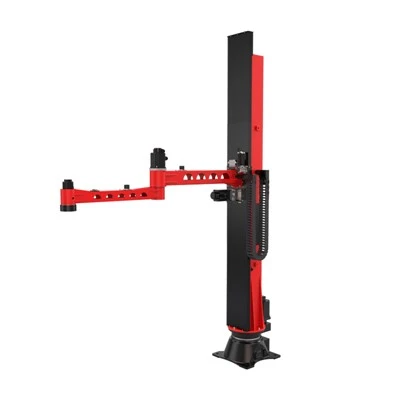
Scara robots, or Selective Compliance Assembly Robot Arms, are another popular type of injection machine robot. They're designed to move in a horizontal plane and have a high degree of compliance in the horizontal axis, which makes them ideal for tasks such as assembly and pick-and-place operations.

Scara robots are known for their speed and accuracy. They can perform tasks quickly and with a high level of precision, which makes them a great choice for high-volume production applications. They're also relatively easy to program and operate, which makes them a popular choice among manufacturers. If you're looking for a robot that can handle assembly tasks quickly and efficiently, a Scara robot might be the perfect fit for you. Check out Plastic Injection Robot for more information.
Delta Robots
Delta robots are a type of parallel robot that are designed for high-speed pick-and-place operations. They have a unique structure that consists of three arms connected to a central hub. This design allows them to move incredibly quickly and with a high degree of precision.
Delta robots are often used in applications where speed is of the essence, such as food packaging and electronics manufacturing. They can pick up and place objects at a rate of several hundred times per minute, which makes them incredibly efficient. However, they're not as versatile as some of the other types of robots and are typically used for a specific type of task. If you're in the market for a high-speed pick-and-place robot, a Delta robot might be the solution you're looking for. You can find more about these on Injection Robot.
Collaborative Robots
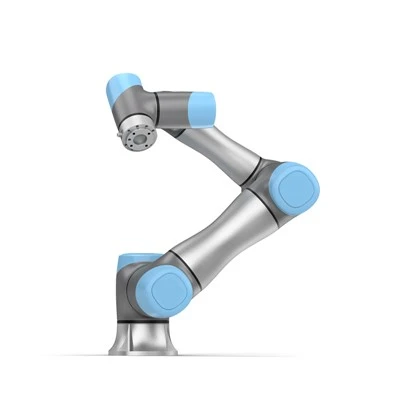
Finally, we've got collaborative robots, or cobots for short. These robots are designed to work alongside human operators in a shared workspace. They're equipped with sensors and safety features that allow them to interact with humans safely and efficiently.
Collaborative robots are a great option for small businesses or manufacturers who want to automate certain tasks without having to invest in a large, expensive robotic system. They're easy to program and can be quickly redeployed to different tasks as needed. Plus, they can help improve productivity and quality by taking over repetitive or dangerous tasks from human operators. If you're interested in learning more about collaborative robots for injection molding, check out Molding Machine Robot.
In conclusion, there are several types of injection machine robots available, each with its own unique features and benefits. The type of robot you choose will depend on your specific needs and requirements. Whether you're looking for a simple and cost-effective solution or a high-speed and versatile robot, there's an option out there for you.
If you're interested in exploring these options further or have any questions about our Injection Machine Robots, feel free to reach out. We're here to help you find the perfect solution for your business. Let's start a conversation and see how we can improve your production process together.
References
- "Automation in Injection Molding: A Comprehensive Guide." Industry Insights Magazine.
- "The Future of Manufacturing with Injection Machine Robots." Manufacturing Today Journal.