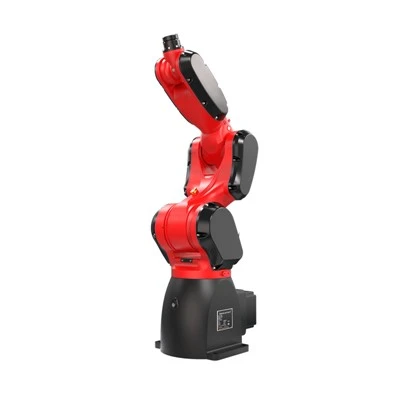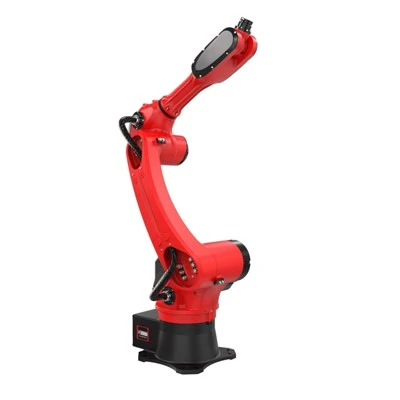


What are the control systems of a plastic injection robot?
In the dynamic world of plastic injection molding, plastic injection robots play a pivotal role in enhancing efficiency, precision, and productivity. As a supplier of Plastic Injection Robot, I have witnessed firsthand the significant impact that these robots have on the manufacturing process. One of the key aspects that determine the performance of a plastic injection robot is its control system. In this blog, we will delve into the various control systems of a plastic injection robot and explore how they contribute to the overall functionality.
1. Programmable Logic Controller (PLC)
The Programmable Logic Controller, commonly known as PLC, is the heart of many plastic injection robot control systems. PLCs are industrial computers designed to control and automate various processes. In the context of plastic injection robots, they are used to manage the robot's movements, sequence of operations, and interaction with other components of the injection molding machine.
PLCs offer several advantages. Firstly, they are highly reliable. They are built to withstand harsh industrial environments, including extreme temperatures, humidity, and electrical interference. This reliability ensures that the robot can operate continuously without frequent breakdowns, minimizing production downtime.
Secondly, PLCs are flexible. They can be easily programmed and reprogrammed to adapt to different production requirements. For example, if a new product with different dimensions and specifications needs to be molded, the PLC can be adjusted to control the robot's movements accordingly. This flexibility allows manufacturers to quickly switch between different production runs, making the manufacturing process more agile.
Thirdly, PLCs provide a high level of control. They can precisely control the speed, position, and force of the robot's movements. This precision is crucial in plastic injection molding, where even a slight deviation in the robot's operation can lead to defective products. By using a PLC, manufacturers can ensure that the robot performs its tasks accurately, resulting in high - quality products.
2. Motion Control System
The motion control system is another essential component of a plastic injection robot. It is responsible for controlling the robot's physical movements, such as linear and rotational motions. The motion control system typically consists of motors, drives, and encoders.
Motors are the power source that drives the robot's movements. There are different types of motors used in plastic injection robots, including servo motors and stepper motors. Servo motors offer high precision and speed control. They can quickly respond to changes in the control signals, allowing the robot to perform complex movements with great accuracy. Stepper motors, on the other hand, are more cost - effective and are suitable for applications where high precision is not required.
Drives are used to convert the control signals from the PLC or other control units into electrical power that can be used to drive the motors. They play a crucial role in regulating the speed and torque of the motors. Encoders are used to provide feedback on the position and speed of the motors. They send signals back to the control system, allowing it to adjust the motor's operation to ensure accurate positioning.
The motion control system also includes algorithms for path planning. These algorithms determine the most efficient path for the robot to follow to perform its tasks. For example, when the robot needs to pick up a molded part from the injection mold and place it on a conveyor belt, the motion control system will calculate the optimal path to minimize the time and energy required for the operation.
3. Vision System
A vision system is becoming increasingly important in plastic injection robots. It uses cameras and image - processing software to provide visual information about the environment and the objects being handled by the robot.
The vision system can be used for several purposes. Firstly, it can be used for part inspection. After a plastic part is molded, the vision system can capture an image of the part and analyze it for defects, such as cracks, scratches, or incorrect dimensions. If a defect is detected, the robot can be programmed to reject the part and place it in a separate bin.
Secondly, the vision system can be used for part positioning. When the robot needs to pick up a part from the injection mold, the vision system can accurately determine the position and orientation of the part. This allows the robot to pick up the part with precision, even if the part's position varies slightly from one cycle to another.
Thirdly, the vision system can be used for process monitoring. It can monitor the injection molding process in real - time, such as the filling level of the mold, the temperature of the plastic, and the movement of the mold components. By providing this information, the vision system can help operators detect potential problems early and take corrective actions to prevent product defects.
4. Human - Machine Interface (HMI)
The Human - Machine Interface, or HMI, is the interface through which operators interact with the plastic injection robot. It typically consists of a touch screen or a control panel that allows operators to input commands, monitor the robot's operation, and adjust the control parameters.
The HMI provides a user - friendly way for operators to manage the robot. They can easily start and stop the robot, change the operating mode, and set the parameters for different operations. For example, operators can set the speed of the robot, the position of the gripper, and the time intervals between different tasks.
The HMI also provides real - time feedback on the robot's operation. It displays information such as the current position of the robot, the status of the motors, and the temperature of the components. This information allows operators to quickly identify any problems and take appropriate actions.
5. Safety Control System
Safety is a top priority in any industrial environment, and plastic injection robots are no exception. The safety control system is designed to protect operators and prevent accidents.
The safety control system includes various sensors and safety devices. For example, there are emergency stop buttons that can be pressed by operators in case of an emergency. These buttons immediately stop the robot's operation and cut off the power supply to the motors.
There are also safety sensors, such as light curtains and proximity sensors. Light curtains are used to create a protective barrier around the robot. If an object or a person breaks the light beam, the safety control system will detect it and stop the robot's operation. Proximity sensors are used to detect the presence of objects or people in the vicinity of the robot. If an object gets too close to the robot, the safety control system will take appropriate actions to prevent a collision.
In addition, the safety control system is designed to comply with international safety standards. This ensures that the robot can be used safely in different countries and regions.
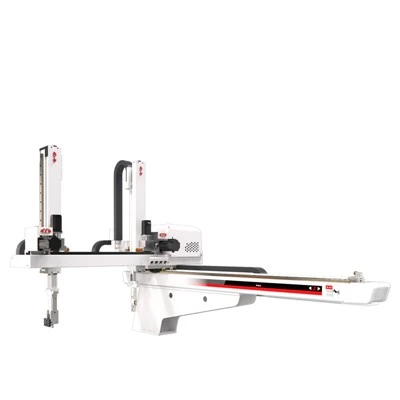
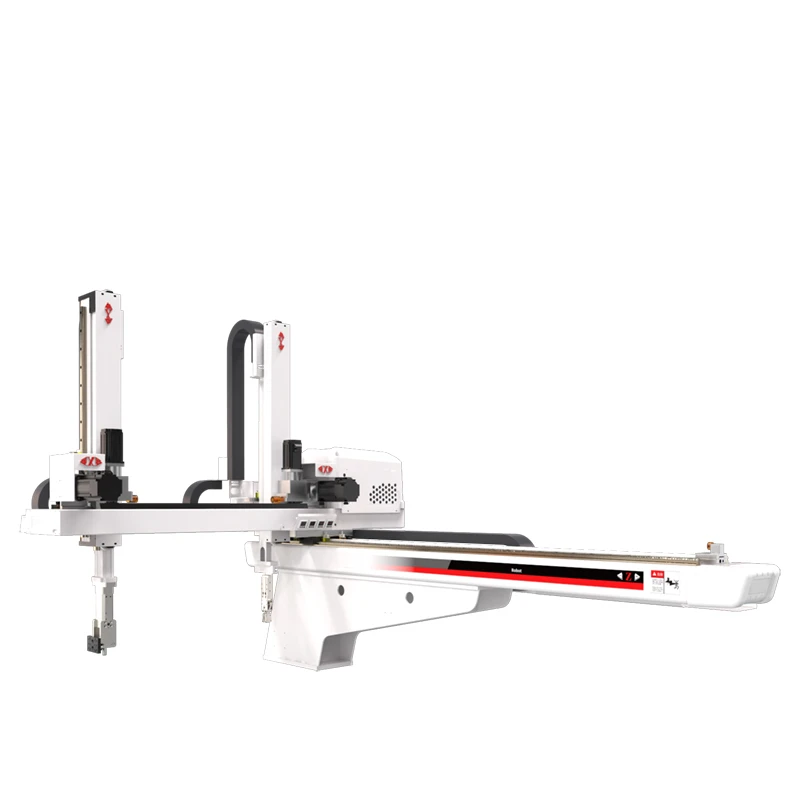
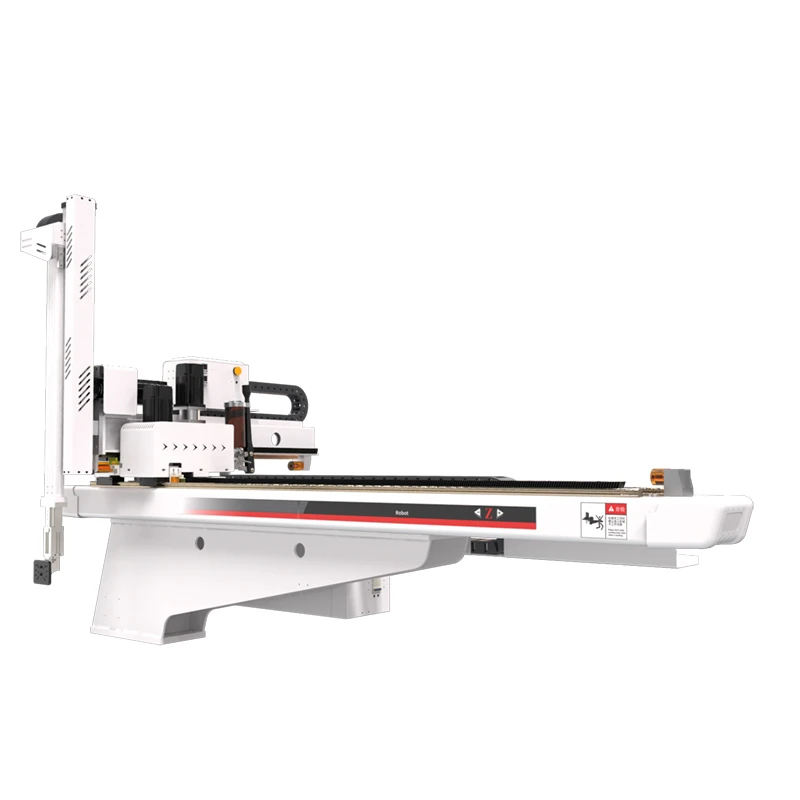
As a supplier of Plastic Injection Robot, we offer a range of robots with advanced control systems, including Imm Robot, Injection Machine Robot, and Sprue Picker Robot. Our Robots for Injection Molding are designed to meet the diverse needs of the plastic injection molding industry.
If you are interested in improving the efficiency and quality of your plastic injection molding process, we invite you to contact us for a detailed discussion. Our team of experts will be happy to provide you with more information about our products and help you choose the right robot for your specific requirements.
References
- "Industrial Robotics: Technology, Programming, and Applications" by Michael P. Groover
- "Automation, Production Systems, and Computer - Integrated Manufacturing" by Mikell P. Groover
- "Plastic Injection Molding Handbook" by O. Olugboji and A. A. Adewale