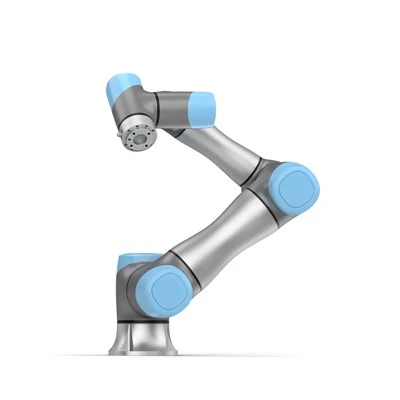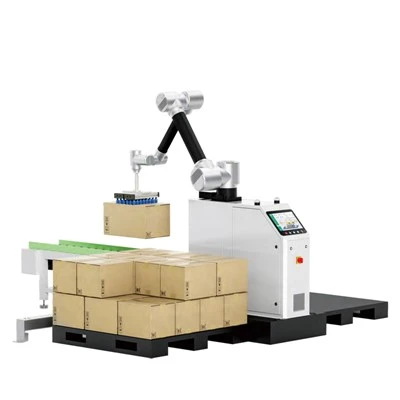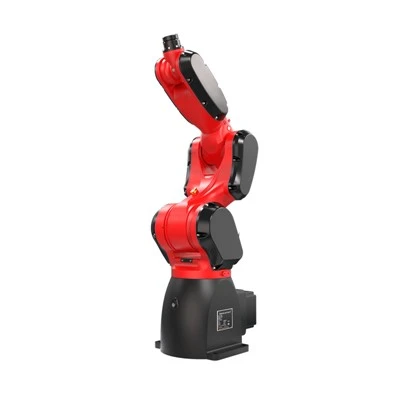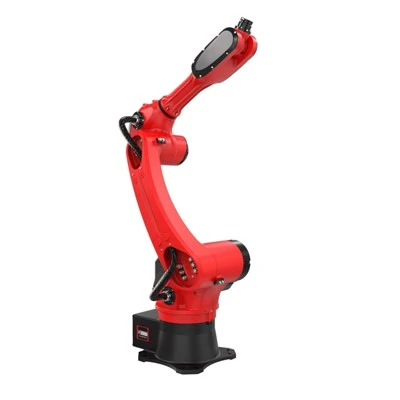


As a supplier of Machine Tending Cobots, I'm often asked about the safety features these remarkable pieces of technology possess. In this blog, I'll delve into the various safety mechanisms that make Machine Tending Cobots a reliable and secure choice for industrial applications.
Collision Detection and Avoidance
One of the most fundamental safety features of a Machine Tending Cobot is its ability to detect and avoid collisions. These cobots are equipped with advanced sensors that constantly monitor their surroundings. For example, force - torque sensors can detect even the slightest unexpected contact. When the cobot senses a force that exceeds a pre - set threshold, it immediately stops its movement. This is crucial in a machine - tending environment where there are often human operators working in close proximity to the cobot.
The collision detection system works in real - time. It continuously analyzes the data from the sensors and makes split - second decisions. If there is an object in the cobot's path, whether it's a tool, a workpiece, or a human hand, the cobot will halt before any damage occurs. This prevents injuries to operators and also protects the equipment from potential damage.
Speed and Force Limitation
Machine Tending Cobots are designed with speed and force limitations. The speed of the cobot can be adjusted according to the specific task and the safety requirements of the work environment. For instance, when a human operator is in close proximity, the cobot can be set to operate at a slower speed. This reduces the risk of high - impact collisions.
Force limitation is equally important. The cobot is programmed to apply only the necessary amount of force when handling workpieces or interacting with machines. This ensures that it doesn't exert excessive force that could damage the parts or cause harm to operators. By having these limitations, the cobot can operate safely in a shared workspace with humans.
Safety Enclosures and Barriers
In many industrial settings, safety enclosures and barriers are used in conjunction with Machine Tending Cobots. These physical barriers act as an additional layer of protection. They prevent unauthorized access to the cobot's working area and can be equipped with safety interlocks. When the enclosure door is opened, the cobot will automatically stop its operation.
There are different types of safety enclosures available, ranging from simple wire mesh barriers to fully enclosed cabins. The choice of enclosure depends on the specific application and the level of safety required. For example, in a high - risk environment where there is a lot of flying debris or high - speed operations, a fully enclosed cabin may be more suitable.
Vision Systems for Safety
Vision systems play a vital role in the safety of Machine Tending Cobots. These systems use cameras to monitor the working area. They can detect the presence of humans, objects, and even the position of workpieces. For example, if a human operator enters the cobot's working area, the vision system can detect this and trigger the cobot to stop or slow down.
Vision systems can also be used to ensure that the cobot is performing its tasks correctly. They can check the alignment of workpieces, detect any defects in the parts, and verify that the cobot is following the correct path. This not only improves the safety of the operation but also enhances the quality of the work.
Emergency Stop Buttons
Emergency stop buttons are a standard safety feature on all Machine Tending Cobots. These buttons are easily accessible and can be pressed in case of an emergency. When the emergency stop button is pressed, the cobot immediately stops all its movements. This provides a quick and reliable way to halt the cobot's operation in case of any unexpected situation.
The emergency stop buttons are designed to be highly visible and easy to reach. They are usually located in multiple positions around the cobot's working area, including on the control panel and on the safety enclosure. This ensures that operators can quickly stop the cobot from any location.
Safety - rated Software
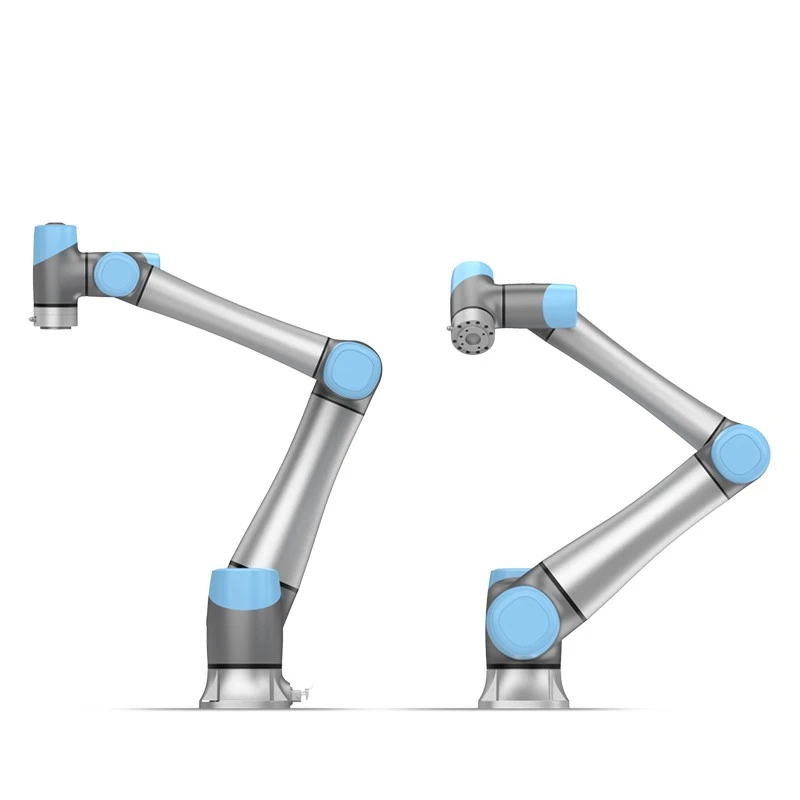
The software used in Machine Tending Cobots is safety - rated. This means that it is designed to meet strict safety standards. The software includes features such as safety logic, which ensures that the cobot operates in a safe manner. It can perform self - checks and diagnostic tests to detect any potential safety issues.
For example, the software can monitor the status of the sensors, the speed of the cobot, and the force applied. If any of these parameters deviate from the pre - set safety limits, the software can take appropriate action, such as stopping the cobot or sending an alert to the operator.
Compliance with Safety Standards
Machine Tending Cobots are designed to comply with international safety standards. These standards, such as ISO 10218 and ISO/TS 15066, define the safety requirements for industrial robots and cobots. By complying with these standards, the cobot ensures that it is safe to use in various industrial applications.
Compliance with safety standards also gives customers confidence in the product. They know that the cobot has been rigorously tested and meets the highest safety requirements. This is especially important in industries where safety is of utmost importance, such as automotive manufacturing and electronics assembly.
Conclusion
In conclusion, Machine Tending Cobots are equipped with a wide range of safety features that make them a safe and reliable choice for industrial applications. From collision detection and avoidance to safety - rated software, these features work together to protect operators and equipment.
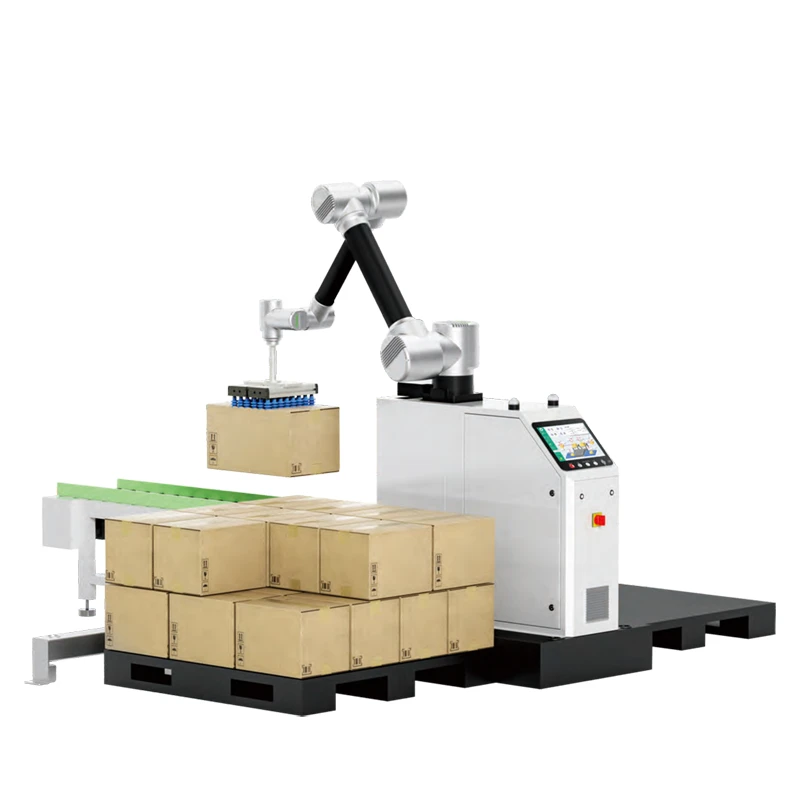
If you're in the market for a Machine Tending Cobot or a Palletizing Cobot, I encourage you to explore our offerings at Machine Tending Cobot. We are committed to providing high - quality cobots with the latest safety features. Contact us to discuss your specific requirements and start a procurement negotiation. Our team of experts will be happy to assist you in finding the perfect cobot solution for your business.
References
- ISO 10218 - 1:2011, Robots and robotic devices — Safety requirements for industrial robots — Part 1: Robot
- ISO/TS 15066:2016, Robots and robotic devices — Collaborative robots