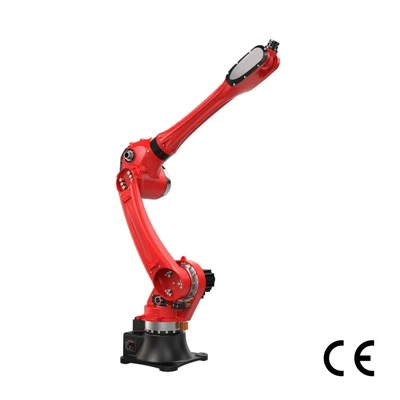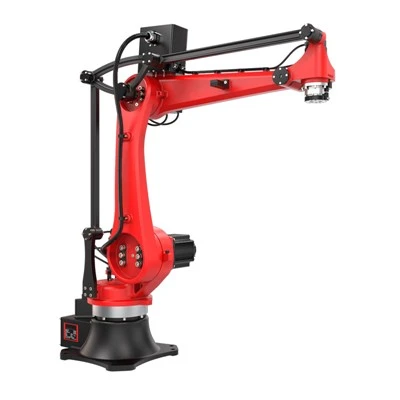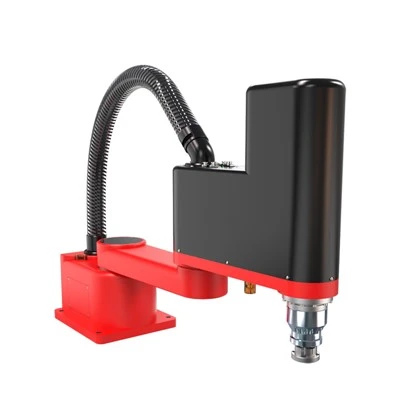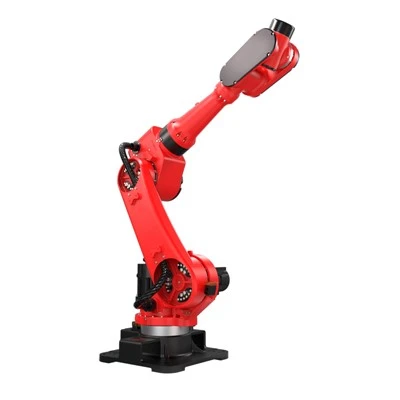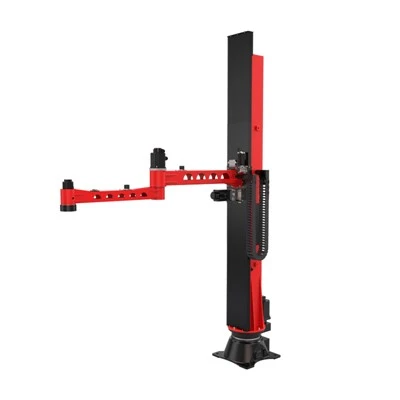


In modern manufacturing, the efficiency and precision of production processes are crucial for businesses to stay competitive. Machine tending robots have emerged as a game - changer in this regard, especially when it comes to the loading and unloading of parts. As a supplier of Machine Tending Robots, I am excited to delve into how these remarkable machines perform these essential tasks.
Understanding the Basics of Machine Tending
Machine tending is the process of supplying raw materials or parts to a manufacturing machine and removing the finished products. In traditional setups, this was a labor - intensive task, often prone to human error and fatigue. Machine Tending Robots Machine Tending Robot have replaced or augmented human labor in many factories, offering consistent performance, high precision, and the ability to work around the clock.
The Loading Process
Part Identification and Localization
The first step in the loading process is to identify and locate the parts that need to be loaded into the machine. This is typically achieved through a combination of sensors and vision systems. For example, a 2D or 3D vision camera can be used to scan the parts in a bin or on a conveyor belt. The robot's control system then analyzes the images to determine the position, orientation, and size of each part.
Advanced algorithms are used to distinguish between different types of parts, even in a mixed - part environment. This is particularly useful in flexible manufacturing systems where multiple part designs are produced on the same line. Once the robot has identified the target part, it calculates the optimal path to pick it up.
Gripping and Handling
After identifying the part, the robot needs to grip it securely. There is a wide range of grippers available, each designed for specific part geometries and materials. For example, pneumatic grippers are commonly used for handling small, lightweight parts, while hydraulic grippers can provide the high force needed for larger, heavier components.
Some grippers are equipped with force - sensing capabilities, allowing the robot to adjust the gripping force based on the part's properties. This ensures that the part is not damaged during the handling process. Once the gripper has firmly grasped the part, the robot moves it towards the CNC machine CNC Machine Tending Robot.
Loading into the Machine
The robot precisely positions the part within the CNC machine. This requires accurate motion control and coordination between the robot and the machine. The robot must place the part in the correct location and orientation, often with tolerances in the range of a few thousandths of an inch.
Before loading the part, the robot may need to perform additional tasks such as cleaning the part or applying lubrication. These pre - loading steps help to ensure the quality of the machining process. Once the part is in place, the robot may also be responsible for activating the machine or closing any protective doors.
The Unloading Process
Part Completion Detection
After the machining process is complete, the robot needs to detect that the part is ready for unloading. This can be done through various means, such as monitoring the machine's cycle time, receiving a signal from the machine's control system, or using sensors to detect physical changes in the part (e.g., the removal of excess material).
Gripping the Finished Part
Once the part is ready for unloading, the robot uses its gripper to hold the finished part. Just like in the loading process, the gripping force must be carefully controlled to avoid damaging the part. Some grippers are designed to handle both the raw and finished parts, while others may be swapped out depending on the specific requirements.
Removing the Part from the Machine
The robot then carefully removes the finished part from the CNC machine. It must navigate around any fixtures or tools within the machine to ensure a smooth extraction. After removing the part, the robot may perform post - processing tasks such as cleaning, inspecting, or sorting the part.
Sorting and Storage
The finished parts are often sorted based on their quality, type, or destination. The robot can place the parts in different bins or on conveyor belts leading to further processing or storage areas. This sorting process is crucial for efficient inventory management and quality control.
Integration with CNC Machines
Machine Tending Robots CNC Tending Robot need to be seamlessly integrated with CNC machines to ensure smooth operation. This involves both hardware and software integration.
Hardware Integration
The robot and the CNC machine must be physically connected in a way that allows for safe and efficient operation. This may involve installing the robot near the machine, ensuring proper alignment, and providing a stable base for the robot. Additionally, the robot's gripper and the machine's fixtures must be compatible to ensure proper part handling.
Software Integration
Software integration is equally important. The robot's control system needs to communicate with the CNC machine's control system to coordinate the loading and unloading processes. This communication can be achieved through various protocols, such as Ethernet/IP or Modbus. The software also allows for the programming of complex tasks, such as multi - step loading and unloading sequences.
Advantages of Using Machine Tending Robots for Loading and Unloading
Increased Productivity
Machine Tending Robots can work at a much faster pace than human operators, leading to a significant increase in production output. They can also work continuously without breaks, reducing downtime and maximizing the utilization of the CNC machines.
Improved Quality
The high precision of Machine Tending Robots ensures that parts are loaded and unloaded consistently. This reduces the risk of human error, such as incorrect part placement, which can lead to defective products. Additionally, the robots can perform quality inspections during the handling process, further improving the overall quality of the finished parts.
Cost Savings
Although the initial investment in a Machine Tending Robot may be significant, the long - term cost savings are substantial. The robots reduce labor costs, as fewer human operators are required for part loading and unloading. They also reduce the cost of scrap and rework due to improved quality control.
Flexibility
Machine Tending Robots can be easily reprogrammed to handle different part types and sizes. This makes them ideal for flexible manufacturing systems, where production requirements can change frequently.
Conclusion
As a supplier of Machine Tending Robots Loading and Unloading Robot, I have witnessed firsthand the transformative impact these machines have on manufacturing processes. The ability to load and unload parts accurately, efficiently, and consistently is a key advantage for any factory looking to improve productivity and competitiveness.
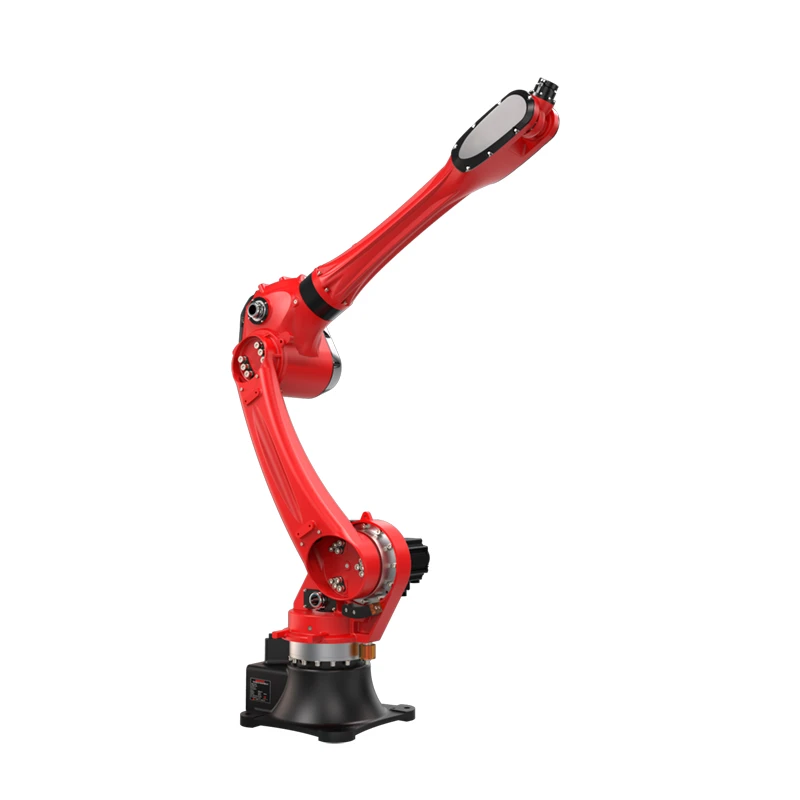
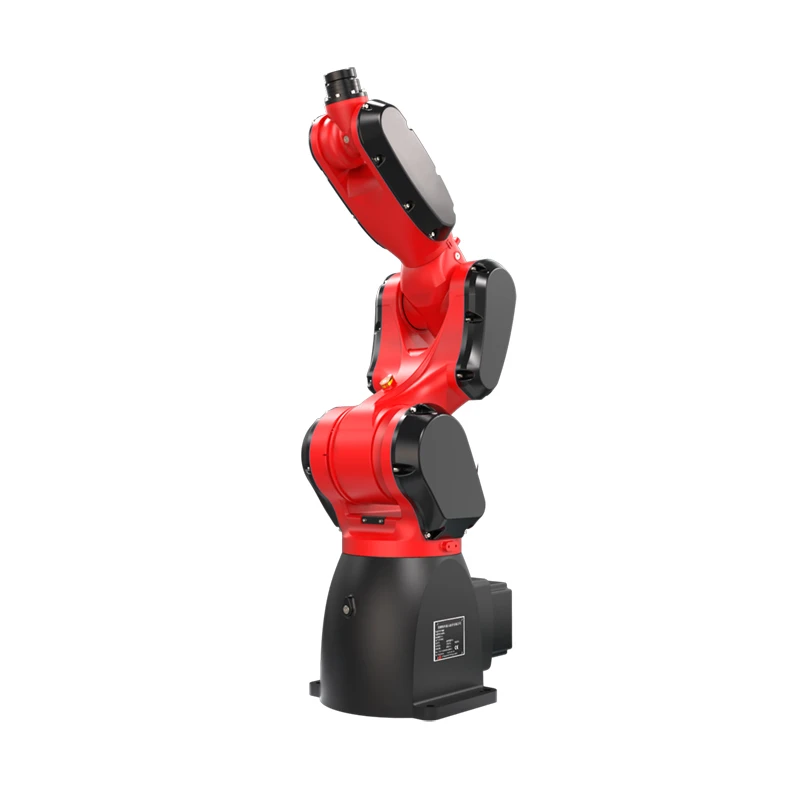
If you are interested in learning more about how our Machine Tending Robots can meet your specific loading and unloading needs, or if you are ready to explore the possibility of integrating these advanced machines into your production line, we encourage you to reach out. Our team of experts is ready to assist you in finding the most suitable solution for your business. Contact us today to start a conversation about how we can help you take your manufacturing processes to the next level.
References
- "Industrial Robotics: Technology, Programming, and Applications" by Peter Corke
- "Automation, Production Systems, and Computer - Integrated Manufacturing" by Mikell P. Groover
- Industry whitepapers on machine tending and robotics from leading manufacturers and research institutions.