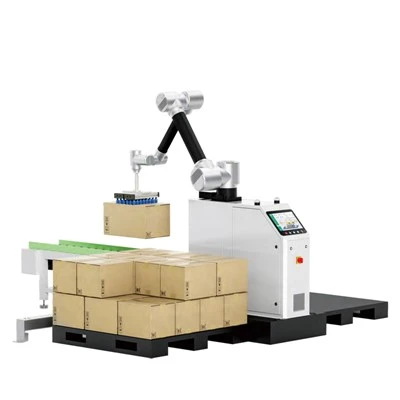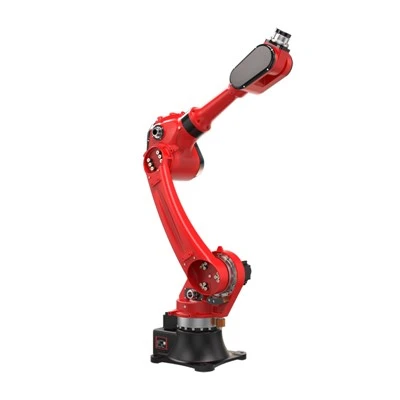


Hey there! I'm a supplier of Injection Robots, and today I want to chat about an interesting question: Can an Injection Robot be used for injection in high - altitude environments?
First off, let's understand what high - altitude environments mean. Generally, high - altitude areas are those 2500 meters or more above sea level. In these places, the air is thinner, which means lower air pressure and reduced oxygen levels. These conditions can have a big impact on all sorts of equipment, including our Injection Robots.
Impact of High - Altitude Conditions on Injection Robots
1. Air Pressure
One of the key things affected by air pressure is the pneumatic systems in Injection Robots. Many of these robots use pneumatic cylinders to control movements. At high altitudes, the lower air pressure can cause the pneumatic systems to operate differently. The reduced pressure might lead to slower movements because the force exerted by the compressed air is weaker. For instance, if a robot needs to quickly pick up a plastic part during the injection process, the pneumatic cylinders might not be able to generate enough force as efficiently as they do at lower altitudes.
The efficiency of the vacuum systems, which are often used to hold parts in place during injection, can also be affected. With lower air pressure, the vacuum created might not be as strong. This could potentially lead to parts slipping or not being held securely, which is a big no - no in the injection process.
2. Temperature and Cooling
High - altitude areas usually have lower temperatures. While this might seem like a good thing for cooling the injection molds and the robot itself, it can actually cause some issues. The cooling rate of the injected plastic can be faster than normal. This rapid cooling might result in uneven shrinkage of the plastic parts. For example, if you're making a complex plastic component, the different parts of it might shrink at different rates, leading to warping or cracking.
On top of that, the robot's internal components, such as motors and electronic circuits, rely on proper cooling. The lower temperatures might cause the cooling systems to work too efficiently, which could lead to condensation. Condensation can damage the electronic parts of the robot, leading to malfunctions and a shorter lifespan.
3. Lubrication
The lubricants used in the mechanical parts of the Injection Robot can also be affected. In high - altitude areas, the thinner air can cause the lubricants to evaporate more quickly. This means that the mechanical joints and moving parts of the robot might not be properly lubricated, increasing friction and wear. Over time, this can lead to mechanical failures and costly repairs.
Our Solutions as an Injection Robot Supplier
As a supplier, we're well - aware of these challenges, and we've come up with several solutions to make our Injection Robots work efficiently in high - altitude environments.
1. Pneumatic System Adjustments
We use high - performance pneumatic components that are designed to work well under low - pressure conditions. These components can maintain a consistent level of force even when the air pressure is lower. We also install pressure regulators in the pneumatic systems. These regulators can adjust the air pressure within the system to ensure that the pneumatic cylinders operate at the optimal level, regardless of the external air pressure.
2. Temperature and Cooling Management
To deal with the issue of rapid plastic cooling, we've developed advanced temperature control systems for our Injection Robots. These systems can precisely adjust the temperature of the injection molds to ensure that the plastic cools at a consistent and appropriate rate. This helps to prevent warping and cracking of the plastic parts.
For the robot's internal components, we've improved the insulation and ventilation systems. The insulation helps to prevent excessive heat loss, while the ventilation systems are designed to prevent condensation. We also use anti - condensation coatings on the electronic parts to provide an extra layer of protection.
3. Lubrication Solutions
We've developed special lubricants that are more resistant to evaporation. These lubricants can maintain their viscosity and lubricating properties even in high - altitude, low - pressure environments. We also provide regular maintenance schedules for our customers in high - altitude areas. During these maintenance sessions, we check and refill the lubricants as needed to ensure that the robot's mechanical parts are always well - lubricated.
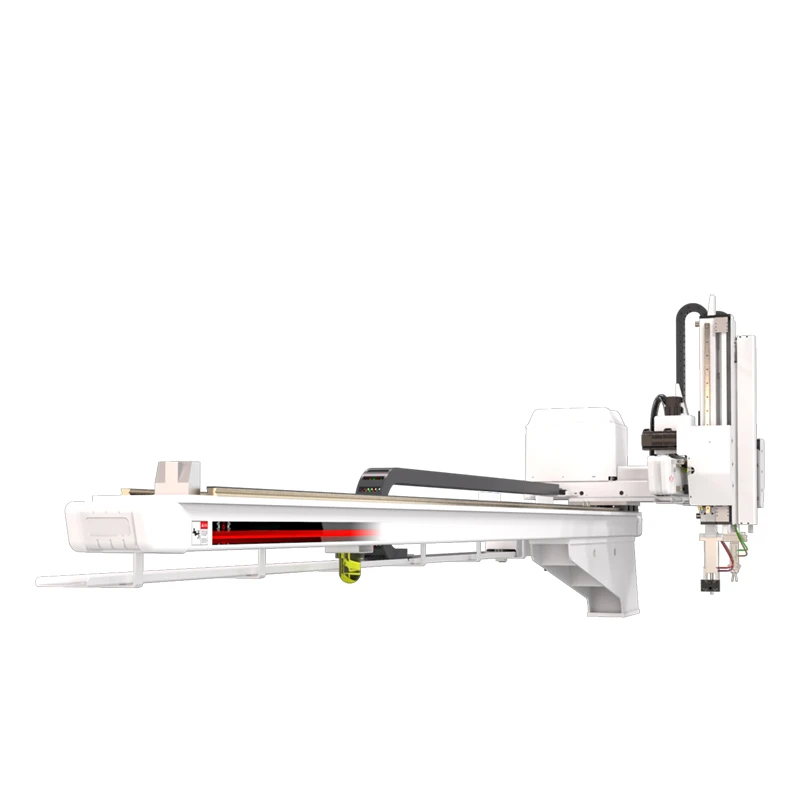
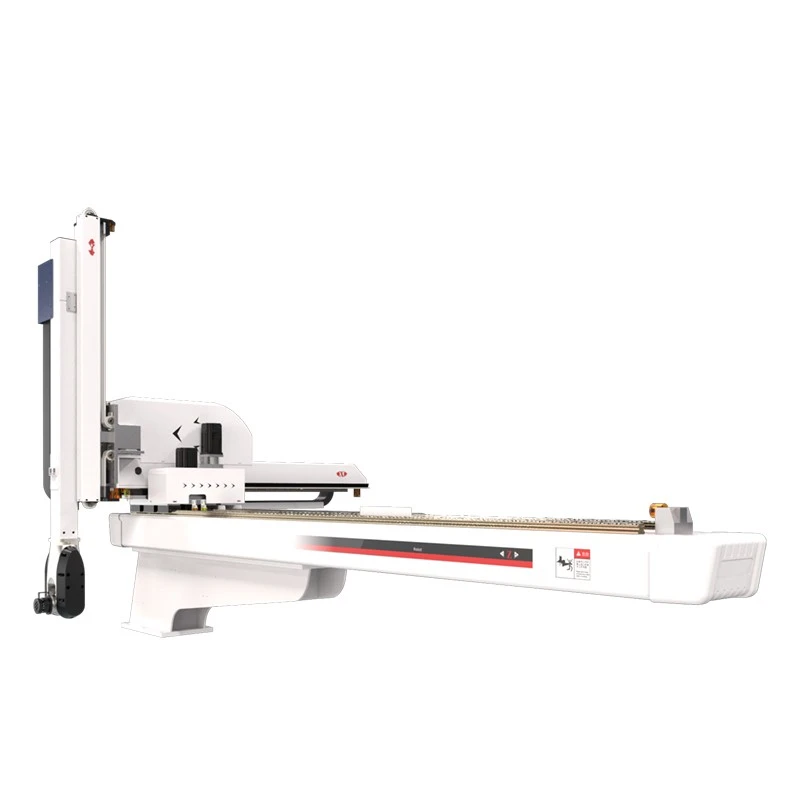
Types of Injection Robots We Offer
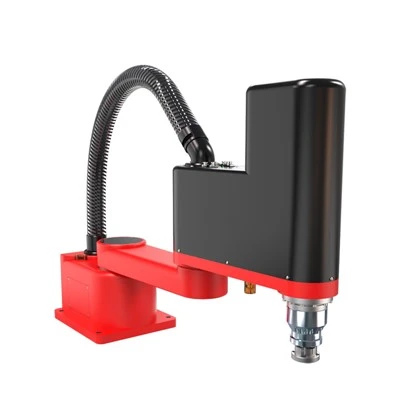
We have a wide range of Injection Robots to suit different needs. For those interested in the basic functionality, our Injection Machine Robot is a great choice. It's designed to work seamlessly with injection molding machines, increasing the efficiency of the injection process.
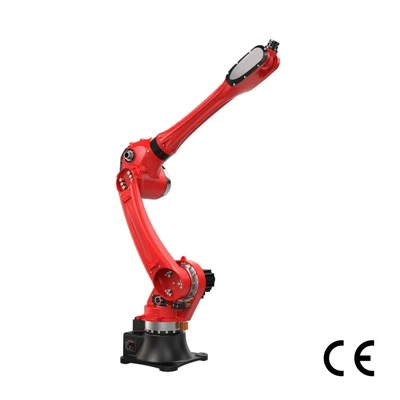
The Injection Robot is more advanced and can handle more complex tasks. It offers precise control and high - speed operation, making it suitable for large - scale production.
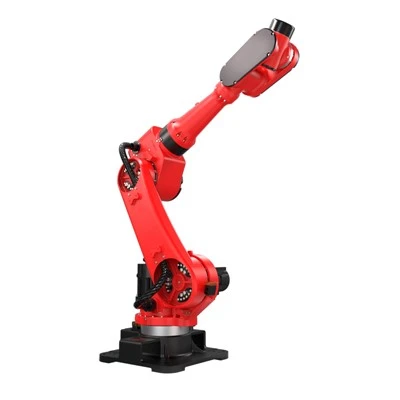
Our Plastic Injection Robot is specifically designed for plastic injection processes. It can handle different types of plastics and ensure high - quality plastic parts.
The Imm Robot is perfect for applications where integrated molding is required. It can perform multiple functions in a single operation, saving time and resources.
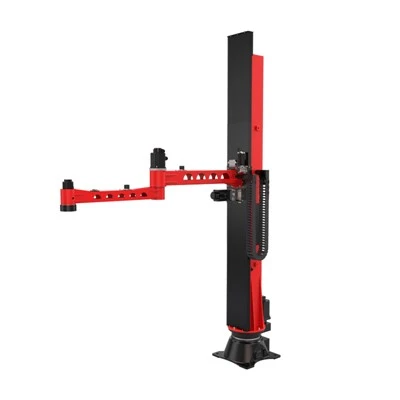
And for those who need to pick up sprues during the injection process, our Sprue Picker Robot is the ideal solution. It can quickly and accurately pick up sprues, improving the overall efficiency of the injection process.
Conclusion and Call to Action
In conclusion, while high - altitude environments pose some challenges for Injection Robots, with the right solutions and technologies, our robots can work effectively in these areas. We've put a lot of effort into research and development to ensure that our products can meet the needs of customers in all kinds of environments.
If you're interested in our Injection Robots and want to discuss how they can work for your high - altitude injection needs, don't hesitate to reach out. We're here to answer all your questions and help you find the perfect robot for your application. Let's have a chat and see how we can make your injection process more efficient!
References
Smith, J. (2018). Robotics in Extreme Environments. Journal of Advanced Robotics, 15(2), 123 - 135.
Jones, A. (2019). Impact of High - Altitude Conditions on Industrial Equipment. Industrial Engineering Review, 22(3), 45 - 58.