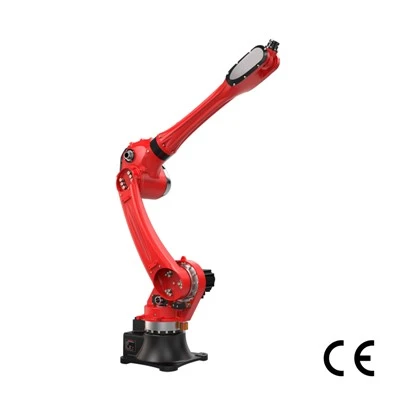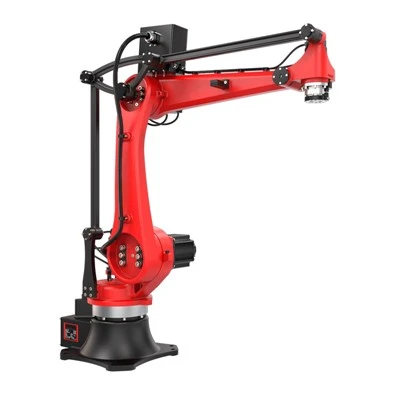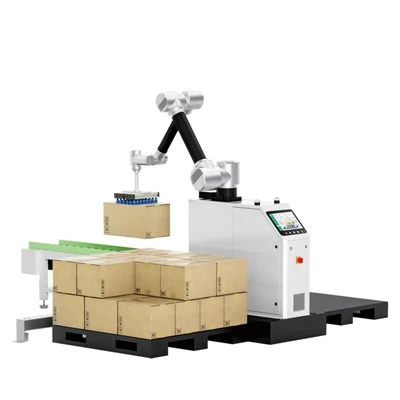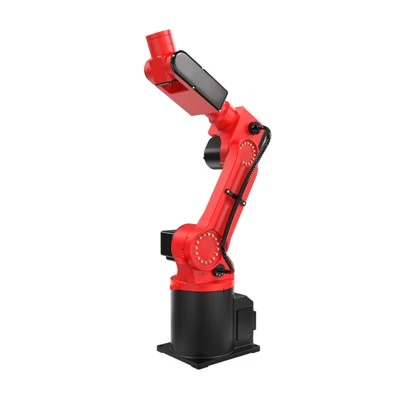


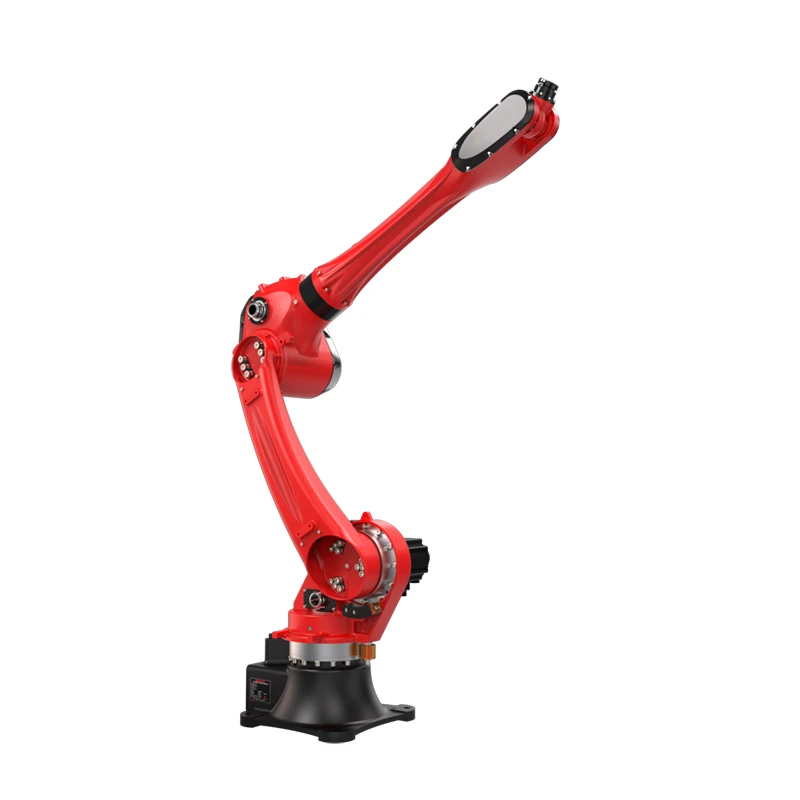
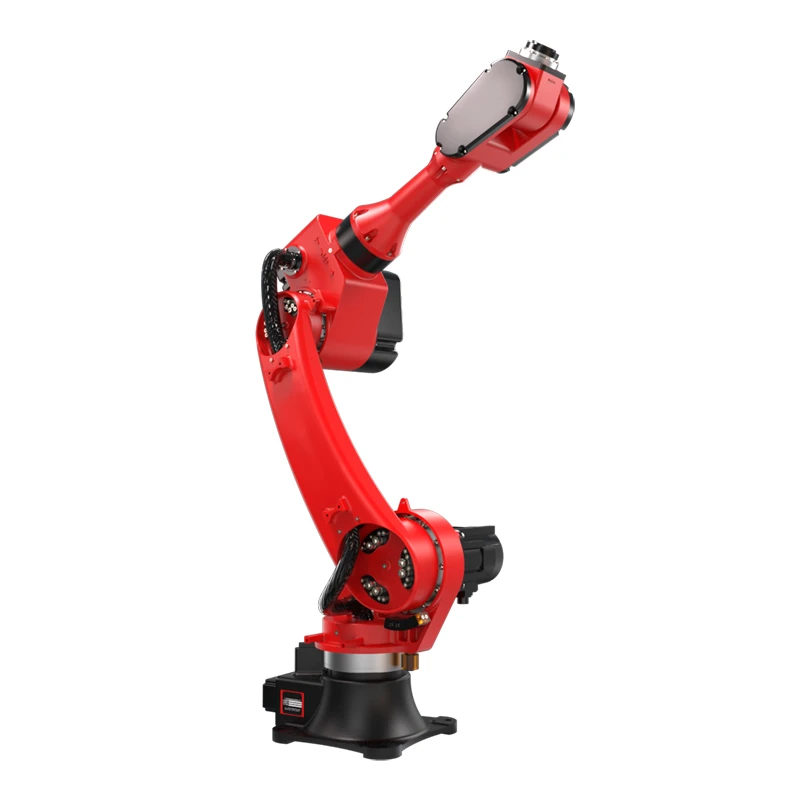
In today's rapidly evolving industrial landscape, Machine Tending Robots have emerged as a cornerstone of modern manufacturing processes. As a leading supplier of Link text: Machine Tending Robot, we understand the critical role these robots play in enhancing efficiency, precision, and productivity. However, with the increasing connectivity and integration of these robots into industrial networks, network security has become a paramount concern. This blog post aims to delve into the various network security aspects of Machine Tending Robots and provide insights on how to safeguard these valuable assets.
Understanding the Networked Nature of Machine Tending Robots
Machine Tending Robots are no longer standalone devices; they are part of a larger network ecosystem. They are often connected to other manufacturing equipment, such as Link text: CNC Tending Robot, Link text: Loading and Unloading Robot, Link text: CNC Machine Tending Robot, and Link text: CNC Loading Robot. Additionally, they may be linked to enterprise resource planning (ERP) systems, cloud platforms, and other external services. This connectivity enables seamless data exchange, remote monitoring, and centralized control, but it also exposes the robots to potential security threats.
Common Network Security Threats to Machine Tending Robots
1. Malware Attacks
Malware, such as viruses, worms, and trojans, can infect Machine Tending Robots through various means, such as infected USB drives, malicious software updates, or compromised network connections. Once infected, the malware can disrupt the normal operation of the robot, steal sensitive data, or even take control of the robot for malicious purposes.
2. Unauthorized Access
Unauthorized individuals may attempt to access the Machine Tending Robot's network to steal valuable information or modify its programming. This can be achieved through techniques such as password cracking, social engineering, or exploits of network vulnerabilities.
3. Denial - of - Service (DoS) Attacks
A DoS attack aims to overwhelm the Machine Tending Robot's network or system resources, rendering it unable to perform its normal functions. This can lead to production downtime, loss of productivity, and potential financial losses.
4. Man - in - the - Middle (MitM) Attacks
In a MitM attack, an attacker intercepts the communication between the Machine Tending Robot and other devices on the network. This allows the attacker to eavesdrop on sensitive data, modify the data in transit, or inject malicious commands into the communication stream.
Strategies for Enhancing Network Security
1. Secure Network Design
A well - designed network architecture is the first line of defense against security threats. This includes segmenting the network into different zones based on security levels, implementing firewalls to control traffic between zones, and using virtual private networks (VPNs) for secure remote access. For example, the Machine Tending Robot's network can be isolated from the corporate network to prevent lateral movement of threats.
2. Strong Authentication and Authorization
Implementing strong authentication mechanisms, such as multi - factor authentication (MFA), ensures that only authorized personnel can access the Machine Tending Robot's network. Authorization policies should be established to define the specific permissions and actions that each user or system can perform on the robot.
3. Regular Software Updates
Software vendors often release updates to patch security vulnerabilities and improve the performance of their products. Regularly updating the Machine Tending Robot's operating system, firmware, and applications is crucial for maintaining a secure environment. However, it is important to test these updates in a non - production environment before deploying them to avoid potential compatibility issues.
4. Intrusion Detection and Prevention Systems (IDPS)
IDPS can monitor the network traffic of the Machine Tending Robot in real - time, detect suspicious activities, and take proactive measures to prevent security breaches. These systems can be configured to generate alerts when abnormal behavior is detected, allowing security personnel to respond quickly.
5. Employee Training and Awareness
Employees are often the weakest link in the security chain. Providing comprehensive training on network security best practices, such as password management, phishing awareness, and safe network usage, can significantly reduce the risk of human - induced security incidents.
The Importance of Data Security in Machine Tending Robots
Machine Tending Robots generate and process a vast amount of data, including production data, sensor readings, and robot control commands. Protecting this data is essential for maintaining the integrity and confidentiality of the manufacturing process. Encryption techniques can be used to secure data both at rest and in transit. For example, data stored on the robot's hard drive can be encrypted using strong encryption algorithms, and data transmitted over the network can be encrypted using protocols such as Transport Layer Security (TLS).
Compliance and Standards
In addition to implementing technical security measures, it is important to ensure compliance with relevant industry standards and regulations. For example, the International Electrotechnical Commission (IEC) has developed standards such as IEC 62443, which provides a framework for industrial automation and control systems security. Adhering to these standards not only helps to protect the Machine Tending Robot from security threats but also demonstrates a commitment to security and reliability.
Conclusion
As Machine Tending Robots become more integrated into industrial networks, network security is no longer an option but a necessity. By understanding the common security threats, implementing appropriate security strategies, and ensuring data protection, manufacturers can safeguard their Machine Tending Robots and the entire manufacturing ecosystem. At our company, we are committed to providing high - quality Machine Tending Robots with robust network security features. If you are interested in learning more about our products or want to discuss your specific security requirements, we invite you to reach out to us for a procurement consultation. Together, we can build a secure and efficient manufacturing future.
References
- International Electrotechnical Commission (IEC). IEC 62443 series: Industrial communication networks - Network and system security.
- Schneier, B. (2008). Secrets and Lies: Digital Security in a Networked World. Wiley.
- Stallings, W. (2017). Cryptography and Network Security: Principles and Practice. Pearson.