

What is the space requirement for installing a Machine Tending Cobot?
As a supplier of Machine Tending Cobots, I often get asked about the space requirements for installing these remarkable pieces of technology. Understanding the space needed is crucial for businesses looking to integrate a Machine Tending Cobot into their operations, as it directly impacts the layout of the workspace, efficiency, and overall cost.
Factors Influencing Space Requirements
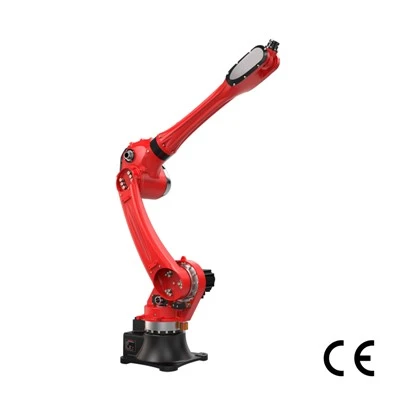
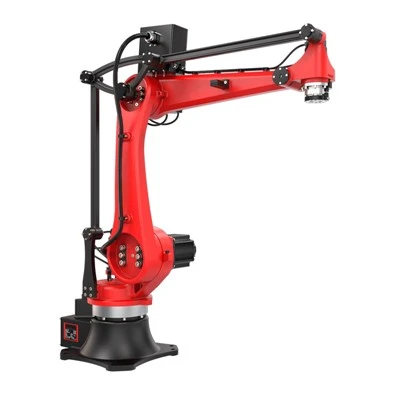
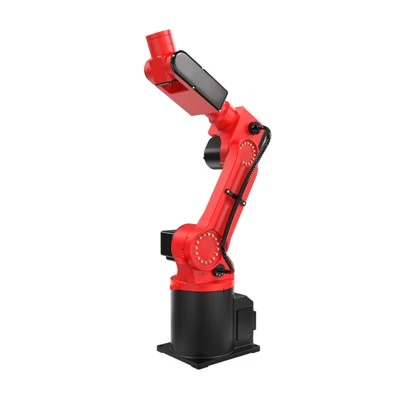
The space required for a Machine Tending Cobot installation is influenced by several key factors. Firstly, the size and reach of the cobot itself play a significant role. Cobots come in various sizes, with different arm lengths and payload capacities. A larger cobot with a longer reach will naturally require more space to operate safely and effectively. For example, if you're using a cobot to tend to a large CNC machine, you'll need to ensure that the cobot has enough room to move around the machine, pick up and place parts, and perform any necessary tasks without colliding with other equipment or structures.
Another important factor is the type of machine being tended. Different machines have different dimensions and access requirements. Some machines may have large doors or hatches that need to be opened for the cobot to access the work area, while others may require the cobot to reach into tight spaces. You'll need to consider these factors when determining the space needed for the cobot installation.
The layout of the workspace also affects the space requirements. If the workspace is crowded or has limited access, it may be more challenging to install a cobot. You'll need to ensure that there is enough room for the cobot to move freely, as well as for operators to access the machine and perform any necessary maintenance or adjustments. Additionally, you'll need to consider the location of other equipment, such as conveyors, pallets, and storage areas, as these can also impact the space available for the cobot.
Minimum Space Requirements
While the specific space requirements for a Machine Tending Cobot installation will vary depending on the factors mentioned above, there are some general guidelines that can help you determine the minimum space needed. As a rule of thumb, you'll need to provide a clear area around the cobot that is at least equal to the cobot's reach. This will ensure that the cobot has enough room to move freely and perform its tasks without colliding with other objects.
In addition to the clear area around the cobot, you'll also need to consider the space needed for the machine being tended. This will depend on the size and type of the machine, as well as the access requirements. For example, if the machine has a large door that needs to be opened for the cobot to access the work area, you'll need to ensure that there is enough space for the door to open fully without obstructing the cobot's movement.
You'll also need to consider the space needed for any additional equipment or accessories that are required for the cobot installation. This may include conveyors, pallets, storage areas, and safety fencing. Make sure to factor in the space needed for these items when determining the overall space requirements for the cobot installation.
Optimizing Space Usage
To make the most of the available space, it's important to optimize the layout of the workspace. One way to do this is to use a modular design approach, where the cobot and other equipment are arranged in a flexible and scalable manner. This allows you to easily adjust the layout of the workspace as your needs change, without having to make major modifications to the existing infrastructure.
Another way to optimize space usage is to use vertical space. Many cobots are designed to be mounted on a wall or ceiling, which can free up valuable floor space. This is especially useful in workspaces with limited floor area. Additionally, you can use vertical storage solutions, such as shelves and racks, to store parts and materials, which can help to reduce clutter and make the workspace more organized.
It's also important to consider the safety of the operators when optimizing the space usage. Make sure to provide enough space for the operators to move around the cobot and the machine safely, and to access any necessary controls or maintenance points. Additionally, you'll need to install appropriate safety fencing and other safety devices to prevent accidents and injuries.
Comparing with Palletizing Cobots
When considering the space requirements for a Machine Tending Cobot, it's also useful to compare them with those of a Palletizing Cobot. While both types of cobots are designed to automate repetitive tasks, they have different space requirements due to their different functions.

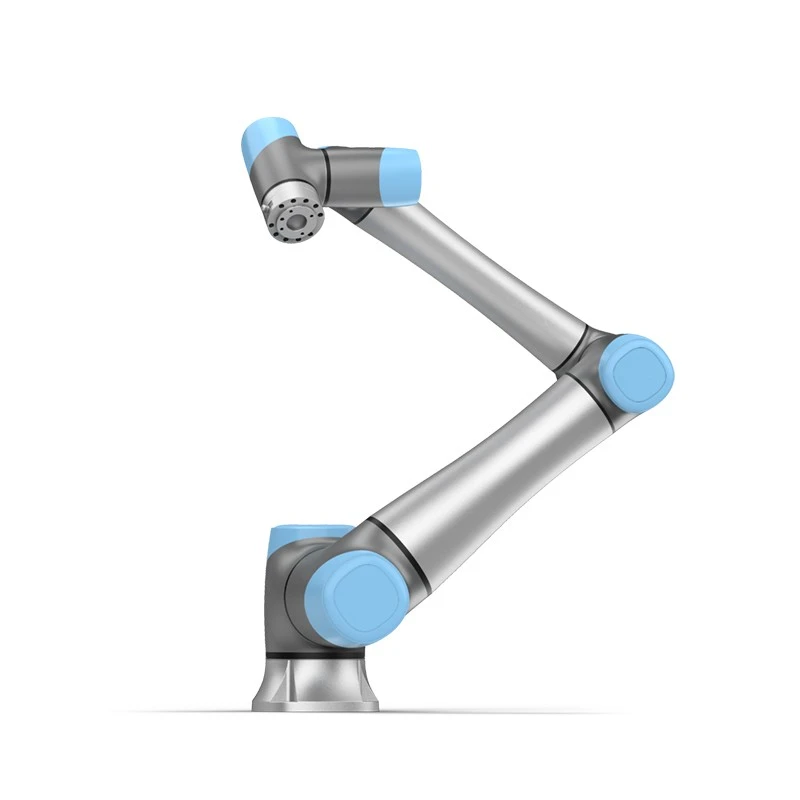
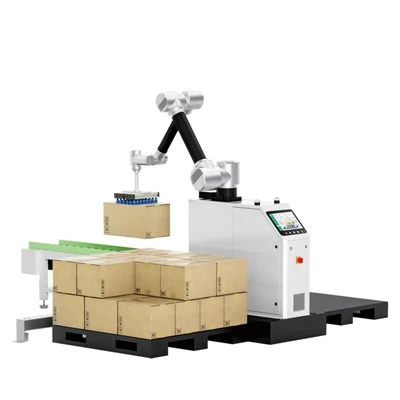
A Palletizing Cobot is typically used to stack and arrange products on pallets, which requires a larger workspace to accommodate the pallets and the stacking process. In contrast, a Machine Tending Cobot is used to tend to machines, such as CNC machines or injection molding machines, which typically require a smaller workspace.
However, it's important to note that the space requirements for both types of cobots can vary depending on the specific application and the size and type of the cobot being used. Therefore, it's always best to consult with a cobot supplier or an expert in the field to determine the exact space requirements for your specific needs.
Conclusion
In conclusion, the space requirement for installing a Machine Tending Cobot depends on several factors, including the size and reach of the cobot, the type of machine being tended, the layout of the workspace, and the additional equipment or accessories required. By understanding these factors and following the general guidelines outlined in this article, you can determine the minimum space needed for your cobot installation and optimize the layout of your workspace to make the most of the available space.
If you're interested in learning more about Machine Tending Cobots or have any questions about the space requirements for your specific application, please don't hesitate to contact us. Our team of experts is available to provide you with more information and help you find the right cobot solution for your needs.
References
- Robotics Industry Association. (n.d.). Machine Tending with Robots. Retrieved from [Website URL]
- International Federation of Robotics. (n.d.). Industrial Robots - Machine Tending Applications. Retrieved from [Website URL]