

Hey there! As a supplier of Palletizing Cobot, I'm super stoked to spill the beans on how these nifty machines make sure your pallet stacks are top - notch for shipping.
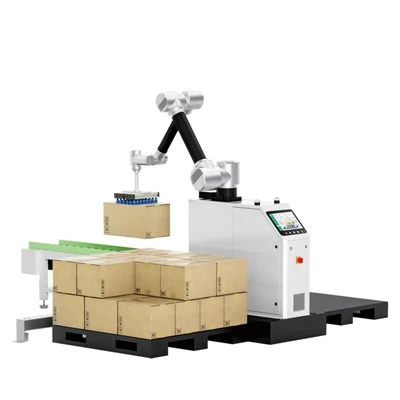
First off, let's talk about what a palletizing cobot is. In simple terms, it's a collaborative robot designed to stack products onto pallets. Unlike traditional industrial robots, cobots are built to work alongside humans, which means they're safer, more flexible, and easier to program. And when it comes to ensuring the quality of pallet stacks for shipping, they've got some pretty cool tricks up their sleeves.
Precision Placement
One of the key ways a palletizing cobot ensures the quality of pallet stacks is through precision placement. These robots are equipped with high - tech sensors and advanced vision systems. The sensors can detect the exact position and orientation of each product that needs to be palletized. For example, if you're palletizing boxes, the cobot can sense the edges and the center of gravity of each box.
The vision system, on the other hand, acts like a super - sharp pair of eyes. It can identify different shapes, sizes, and colors of products. This allows the cobot to place each item exactly where it should go on the pallet. Whether it's a small, delicate item or a large, bulky one, the cobot can handle it with pinpoint accuracy. This precision is crucial because it ensures that the pallet stack is stable. A well - placed stack is less likely to shift or topple during shipping, which means your products are much safer.
Weight Distribution
Another important aspect of a good pallet stack is proper weight distribution. A palletizing cobot is smart enough to calculate the weight of each product and distribute it evenly across the pallet. It does this by analyzing the data from its weight sensors.
Let's say you have a mix of heavy and light products. The cobot will start by placing the heavier items at the bottom of the pallet. This creates a solid foundation for the stack. Then, it will layer the lighter items on top in a way that keeps the center of gravity in the middle of the pallet. By doing so, it reduces the risk of the pallet tipping over during transportation. This even weight distribution also helps in making the most of the available space on the pallet, which can save you money on shipping costs in the long run.
Stack Pattern Optimization
Palletizing cobots are also great at optimizing the stack pattern. They can analyze the dimensions of the products and the size of the pallet to come up with the most efficient way to stack them. There are different stack patterns, such as column stacking, brick stacking, and pinwheel stacking.
The cobot will choose the pattern that provides the best stability and maximizes the use of space. For instance, if you have rectangular boxes, a column stacking pattern might be ideal as it provides a straightforward and stable structure. But if you have irregularly shaped items, the cobot might opt for a more complex pattern like the pinwheel stacking to ensure everything fits snugly. This optimization not only makes the pallet stack more stable but also helps in reducing the overall volume of the shipment, which can lead to lower shipping costs.
Quality Control Checks
Throughout the palletizing process, the cobot performs quality control checks. It can detect if a product is damaged or if it's not in the correct orientation. If it senses a problem, it can either reject the product or attempt to correct the issue.
For example, if a box has a torn corner, the cobot can set it aside instead of including it in the stack. This helps in maintaining the quality of the entire shipment. The cobot can also check for any misaligned products in the stack. If it finds one, it can re - position the item to ensure the stack remains stable and uniform. These quality control checks are automated, which means they're consistent and reliable. You don't have to worry about human error or fatigue affecting the quality of the pallet stacks.
Adaptability
One of the things I love about palletizing cobots is their adaptability. In a real - world shipping scenario, you might have to deal with different types of products, pallet sizes, and shipping requirements. A good cobot can easily adapt to these changes.
Let's say you suddenly need to switch from palletizing small cartons to large drums. The cobot can be reprogrammed quickly to handle the new products. It can adjust its grip strength, the stacking pattern, and the placement strategy according to the new requirements. This adaptability ensures that the cobot can always produce high - quality pallet stacks, no matter what changes occur in your shipping operations.
Integration with Other Systems
Palletizing cobots can also be integrated with other systems in your warehouse. For example, they can be connected to your inventory management system. This integration allows the cobot to know exactly which products need to be palletized and in what quantity.
It can also be linked to your conveyor system. The conveyor can feed the products to the cobot in an orderly manner, and the cobot can stack them on the pallets as they arrive. This seamless integration streamlines the entire palletizing process, which in turn improves the quality of the pallet stacks. It reduces the chances of errors and delays, ensuring that your products are ready for shipping on time.
Comparison with Other Cobots
While we're on the topic, it's worth comparing palletizing cobots with Machine Tending Cobot. Machine tending cobots are mainly used for loading and unloading parts from machines. They're more focused on the interaction between the robot and the machine.
In contrast, palletizing cobots are all about creating stable and efficient pallet stacks for shipping. They have different sensors and programming requirements. For example, a palletizing cobot needs to have sensors that can handle the weight and dimensions of the products being stacked, while a machine tending cobot needs sensors to accurately position the parts in the machine.
However, both types of cobots offer the advantage of being collaborative and easy to integrate into existing workflows. They can both improve the quality and efficiency of your operations, just in different ways.
The Bottom Line
If you're in the business of shipping products, ensuring the quality of your pallet stacks is crucial. A palletizing cobot can be a game - changer for your operations. It offers precision placement, proper weight distribution, stack pattern optimization, quality control checks, adaptability, and seamless integration with other systems.

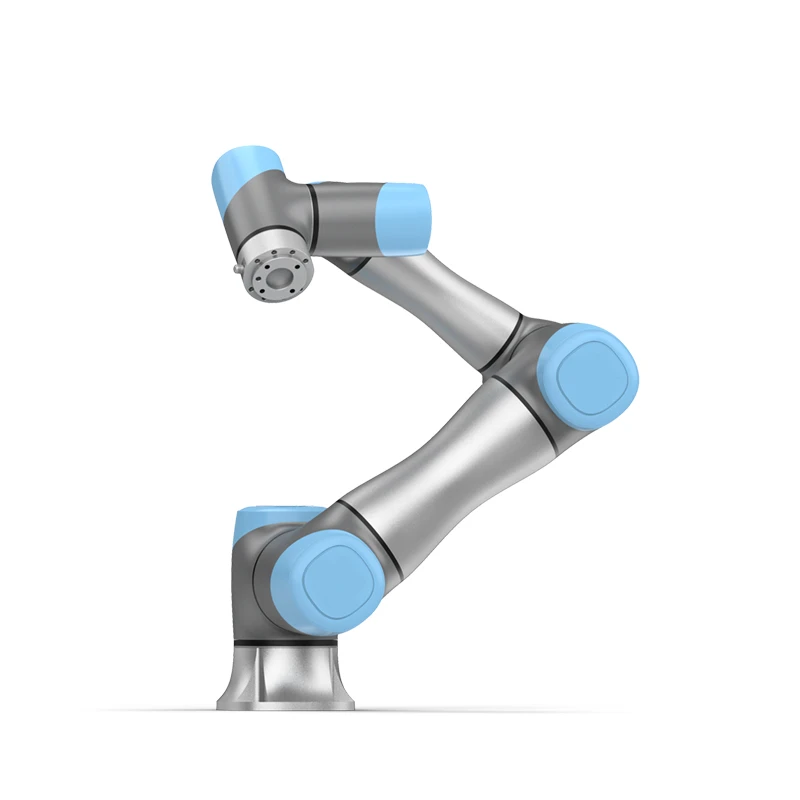
These features not only make your pallet stacks more stable and reliable but also help in reducing shipping costs and improving overall efficiency. Whether you're a small business or a large corporation, investing in a palletizing cobot can give you a competitive edge in the market.
If you're interested in learning more about how our palletizing cobots can benefit your business or if you're ready to start a purchasing discussion, don't hesitate to reach out. We're here to help you find the perfect solution for your palletizing needs.
References
- Industry reports on palletizing automation
- Case studies on successful implementation of palletizing cobots in shipping operations