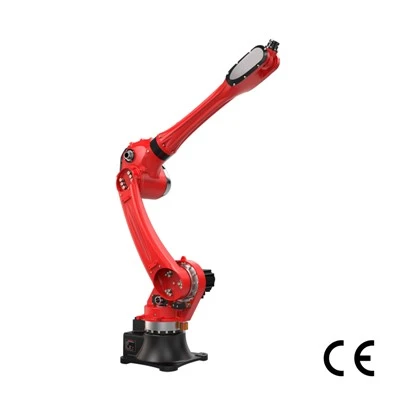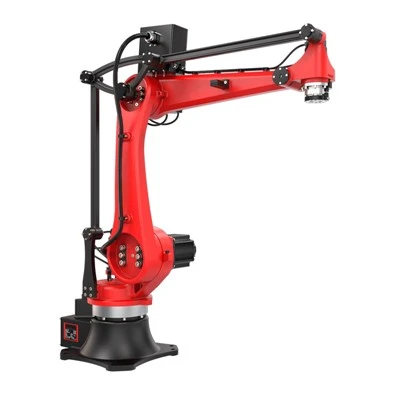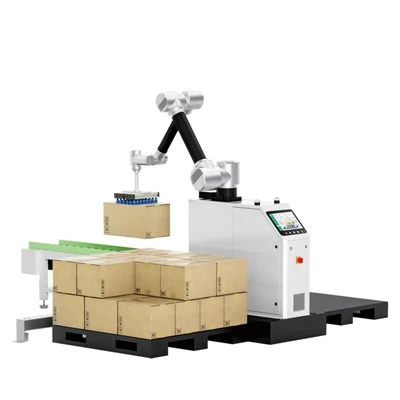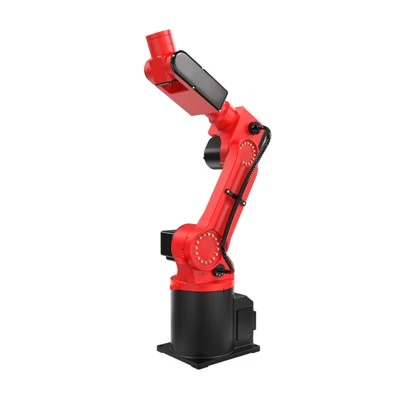


Hey there, fellow industry enthusiasts! As a supplier of CNC Loading Robots, I've seen firsthand the incredible impact these machines can have on manufacturing efficiency. But with great power comes great responsibility, especially when it comes to safety. In this blog, I'm gonna share some top - notch tips on how to train workers to operate a CNC Loading Robot safely.
Why Safety Training is Crucial
Before we get into the nitty - gritty of training, let's talk about why it's so important. CNC Loading Robots are powerful and precise machines, but they can also be dangerous if not handled correctly. A single mistake during operation can lead to serious injuries, equipment damage, and costly downtime.
Safety training helps workers understand the risks associated with these robots and equips them with the knowledge and skills they need to minimize those risks. It also boosts confidence among the workers, making them more productive and reducing the overall accident rate in the workplace.
Pre - training Preparations
First things first, before you start any training, make sure your workers have a basic understanding of what a CNC Loading Robot is and what it does. You can use simple visual aids like brochures or short video clips to give them an overview.
Introduce them to the different components of the robot, such as the arm, gripper, and control panel. You might want to call in an expert or use our product documentation to explain how the CNC Loading Robot interacts with the CNC machine.
Training Modules
1. Safety Rules and Regulations
The very first step in training is to go over the safety rules and regulations. This includes wearing the appropriate personal protective equipment (PPE), like safety glasses, gloves, and steel - toed boots. Explain the importance of keeping the work area clean and free of clutter, as well as the proper way to handle and store tools.
Make sure workers are aware of the emergency stop buttons on the robot and the CNC machine. Conduct a drill where they have to locate and press the emergency stop button as quickly as possible. This hands - on experience will help them react faster in a real - life emergency situation.
2. Understanding the Robot's Programming
Even if your workers aren't going to be programming the robot themselves, they should have a basic understanding of how the programming works. This will help them understand the robot's movements and anticipate what it's going to do next.
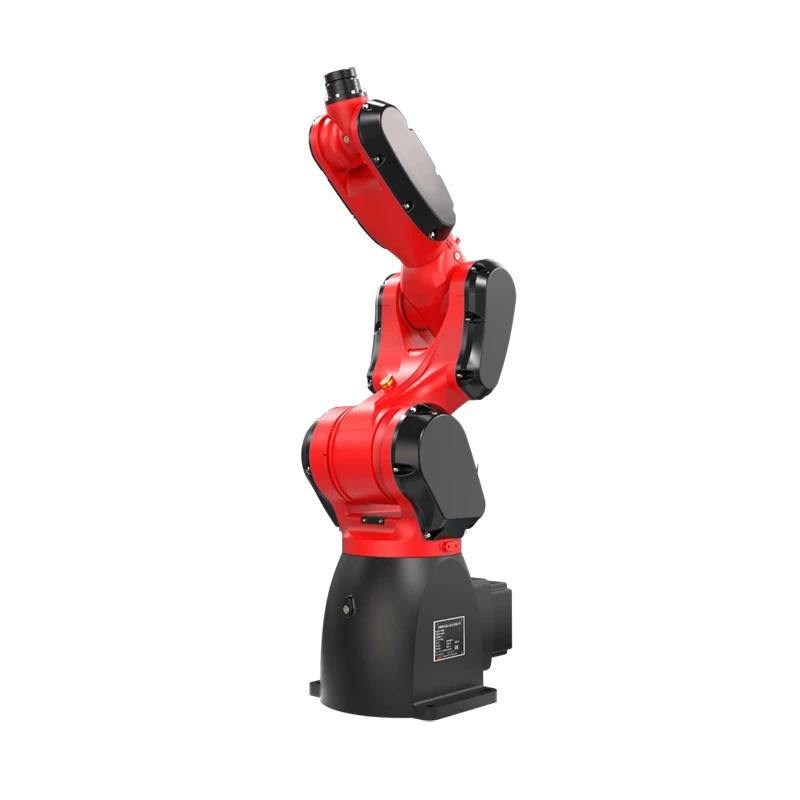
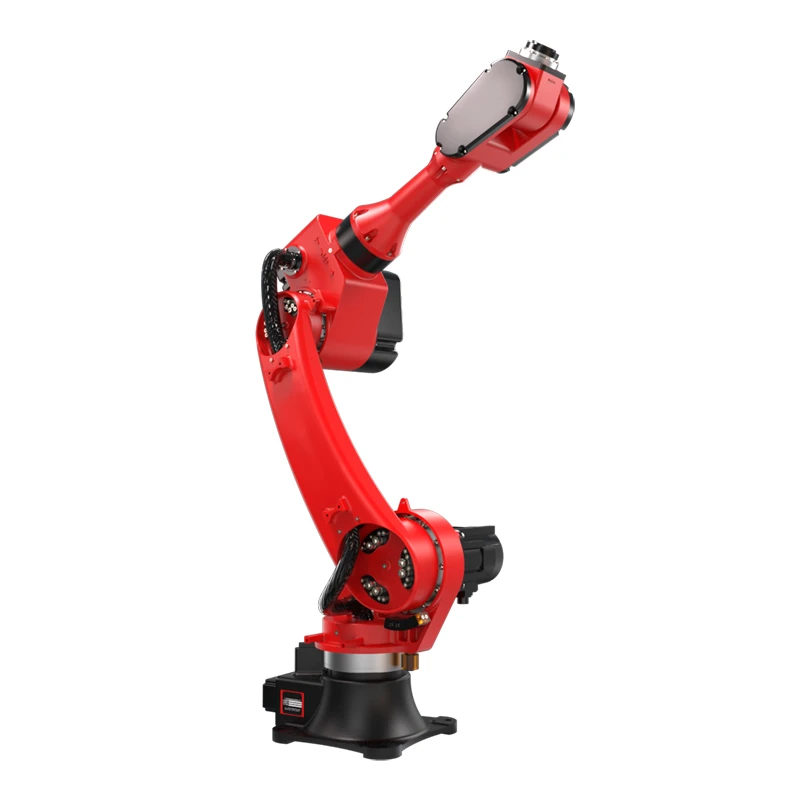
Show them how to read the basic programming codes on the control panel. Explain concepts like coordinates, speed settings, and the sequence of operations. You can use simple examples to illustrate these points, like how to load a part into the CNC machine at a specific position.
3. Operating the Control Panel
The control panel is the worker's interface with the CNC Loading Robot. Spend a lot of time training them on how to use it properly. Teach them how to turn the robot on and off, how to select different programs, and how to adjust the speed and position settings.
Practice makes perfect, so let the workers have plenty of hands - on time with the control panel. Start with simple tasks, like moving the robot's arm to a specific point, and gradually move on to more complex operations, such as loading and unloading parts.
4. Loading and Unloading Procedures
One of the main tasks of a CNC Loading Robot is to load and unload parts from the CNC machine. Explain the correct procedures for these tasks in detail. Teach them how to position the part correctly in the gripper, how to approach the CNC machine safely, and how to place the part in the right location inside the machine.
Demonstrate the proper way to unload a finished part as well. Emphasize the importance of checking the part for any signs of damage or defects before removing it from the machine. You can also refer to our Loading and Unloading Robot page for more in - depth information.
5. Maintenance and Inspection
Regular maintenance and inspection are key to ensuring the safe operation of the CNC Loading Robot. Train your workers on how to perform basic maintenance tasks, such as cleaning the robot's components, checking for loose parts, and lubricating moving parts.
Teach them how to conduct a pre - operation inspection of the robot. This includes checking the power supply, the cables, and the sensors. By catching potential problems early, you can prevent breakdowns and accidents.
Hands - on Training
Theory is great, but hands - on training is where the real learning happens. Set up a training area where workers can practice operating the CNC Loading Robot under supervision. Start with simple tasks and gradually increase the difficulty level as they gain more confidence and skill.
Have experienced operators on hand to answer questions and provide feedback. Encourage workers to ask questions and make mistakes during the training process, as this is how they'll learn the most.
Refresher Training
Safety training isn't a one - time event. It's important to provide regular refresher training to keep your workers up - to - date on the latest safety procedures and best practices. You can schedule refresher courses every few months or whenever there are significant changes to the robot or the operating procedures.
Using Simulation Software
If possible, use simulation software to supplement the training. Simulation software allows workers to practice operating the CNC Loading Robot in a virtual environment without any risk of damage or injury. It can also be used to simulate different scenarios, such as emergency situations, to help workers develop their problem - solving skills.
Real - life Case Studies
Share real - life case studies of accidents that have occurred in similar industries. Discuss what went wrong and what could have been done differently to prevent the accident. This can be a powerful way to drive home the importance of safety training and proper operation.
Encouraging a Safety Culture
Finally, it's important to create a safety culture in the workplace. Encourage workers to report any safety concerns or near - misses immediately. Reward workers for following safety procedures and for coming up with new ideas to improve safety.
By making safety a top priority, you'll not only protect your workers but also improve the overall efficiency and productivity of your manufacturing process.
Conclusion
Training workers to operate a CNC Loading Robot safely is a multi - step process that requires time, effort, and commitment. By following the tips outlined in this blog, you can ensure that your workers are well - trained and equipped to operate these powerful machines safely.
If you're interested in learning more about our CNC Loading Robots or need further advice on safety training, don't hesitate to reach out. We're here to support you every step of the way. Whether you're looking for a Machine Tending Robot, a CNC Machine Tending Robot, or a CNC Tending Robot, we've got you covered. Let's work together to take your manufacturing operations to the next level in a safe and efficient way.
References
- Industrial Robotics Handbook: Basics and Applications
- Safety Standards for CNC Machinery and Robots published by relevant industry associations.