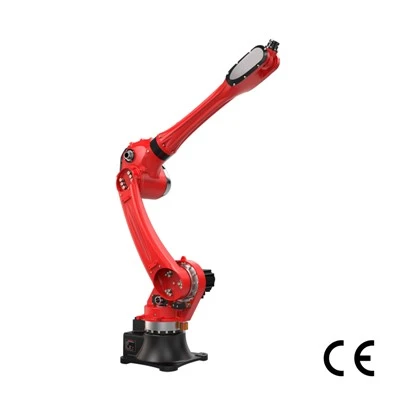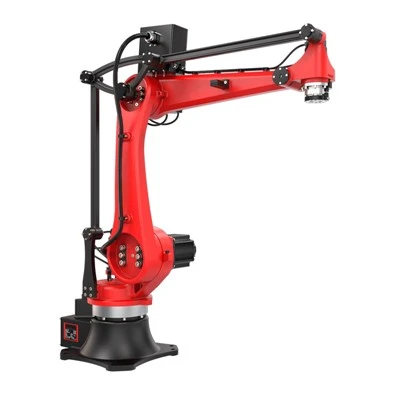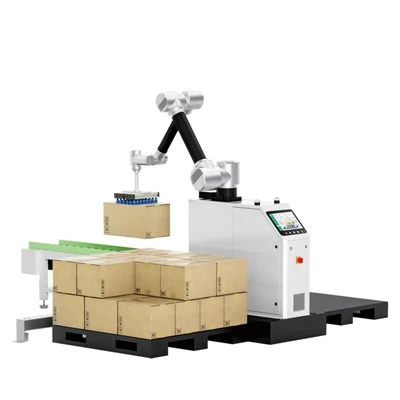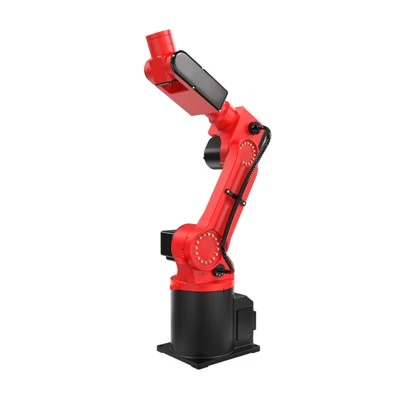


In the dynamic world of injection molding, the Sprue Picker Robot has emerged as an indispensable asset, streamlining the production process and enhancing efficiency. As a leading Sprue Picker Robot supplier, we understand the crucial role of seamless communication between the robot and the control system. In this blog, we will delve into the intricacies of how a Sprue Picker Robot communicates with the control system, exploring the technologies, protocols, and benefits involved.
Understanding the Basics of Communication
At its core, communication between a Sprue Picker Robot and the control system is the exchange of data and instructions that enable coordinated operation. The control system serves as the brain, sending commands to the robot and receiving feedback on its status and performance. This two-way communication is essential for ensuring precision, reliability, and safety in the injection molding process.
Types of Communication Technologies
Wired Communication
Wired communication is a traditional and reliable method for connecting a Sprue Picker Robot to the control system. Ethernet cables are commonly used to establish a high-speed, stable connection, allowing for the rapid transfer of large amounts of data. This type of communication is ideal for applications where real-time control and high precision are required.
One of the key advantages of wired communication is its immunity to interference, ensuring consistent performance even in noisy industrial environments. Additionally, wired connections provide a secure and stable link, reducing the risk of data loss or communication errors.
Wireless Communication
Wireless communication has gained popularity in recent years due to its flexibility and ease of installation. Wi-Fi and Bluetooth are two common wireless technologies used in Sprue Picker Robots. Wireless communication allows for greater mobility and flexibility, making it easier to reconfigure the production line or move the robot to different locations.
However, wireless communication also presents some challenges. The reliability of the connection can be affected by factors such as signal strength, interference, and distance. To mitigate these issues, advanced wireless protocols and technologies are used to ensure a stable and secure connection.
Communication Protocols
Modbus
Modbus is a widely used communication protocol in the industrial automation industry. It is a simple and robust protocol that allows for the communication of data between devices over a serial or Ethernet network. Modbus is supported by a wide range of devices, including Sprue Picker Robots and control systems, making it a popular choice for integration.
One of the key advantages of Modbus is its simplicity and ease of implementation. It uses a master-slave architecture, where the control system acts as the master and the Sprue Picker Robot acts as the slave. The master sends requests to the slave, and the slave responds with the requested data.
Profibus
Profibus is another popular communication protocol used in industrial automation. It is a high-speed, deterministic protocol that provides real-time communication between devices. Profibus is commonly used in applications where high precision and reliability are required, such as in the automotive and aerospace industries.
Profibus uses a token-passing mechanism to ensure that only one device can transmit data at a time, preventing collisions and ensuring a stable communication link. It also supports a wide range of device types, including sensors, actuators, and robots.
Ethernet/IP
Ethernet/IP is a modern communication protocol that combines the benefits of Ethernet and the Common Industrial Protocol (CIP). It is a high-speed, open protocol that allows for the seamless integration of devices from different manufacturers. Ethernet/IP is widely used in the industrial automation industry, including in Sprue Picker Robots and control systems.
One of the key advantages of Ethernet/IP is its ability to support a large number of devices on a single network. It also provides real-time communication and diagnostic capabilities, allowing for easy troubleshooting and maintenance.
Benefits of Effective Communication
Improved Efficiency
Effective communication between the Sprue Picker Robot and the control system enables faster and more accurate operation. The robot can receive instructions in real-time and respond immediately, reducing cycle times and increasing productivity.
Enhanced Precision
Precise communication ensures that the robot performs its tasks with high accuracy. The control system can send precise commands to the robot, allowing it to pick and place sprues with millimeter-level accuracy.
Increased Safety
Communication between the robot and the control system is essential for ensuring safety in the workplace. The control system can monitor the status of the robot and detect any potential safety hazards. It can also send emergency stop commands to the robot in case of an emergency.
Remote Monitoring and Control
With the advent of wireless communication technologies, it is now possible to remotely monitor and control the Sprue Picker Robot. This allows for greater flexibility and convenience, as operators can monitor the robot's performance and make adjustments from anywhere in the world.
Our Sprue Picker Robot: A Cut Above the Rest
As a leading Sprue Picker Robot supplier, we take pride in offering high-quality robots that are designed to meet the diverse needs of our customers. Our Sprue Picker Robots are equipped with advanced communication technologies and protocols, ensuring seamless integration with your control system.
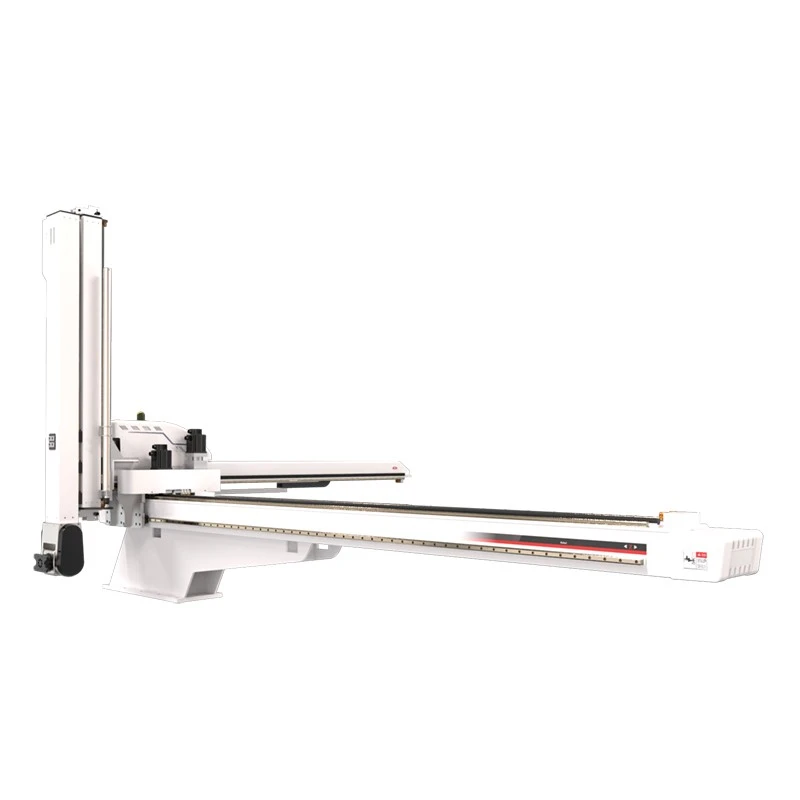
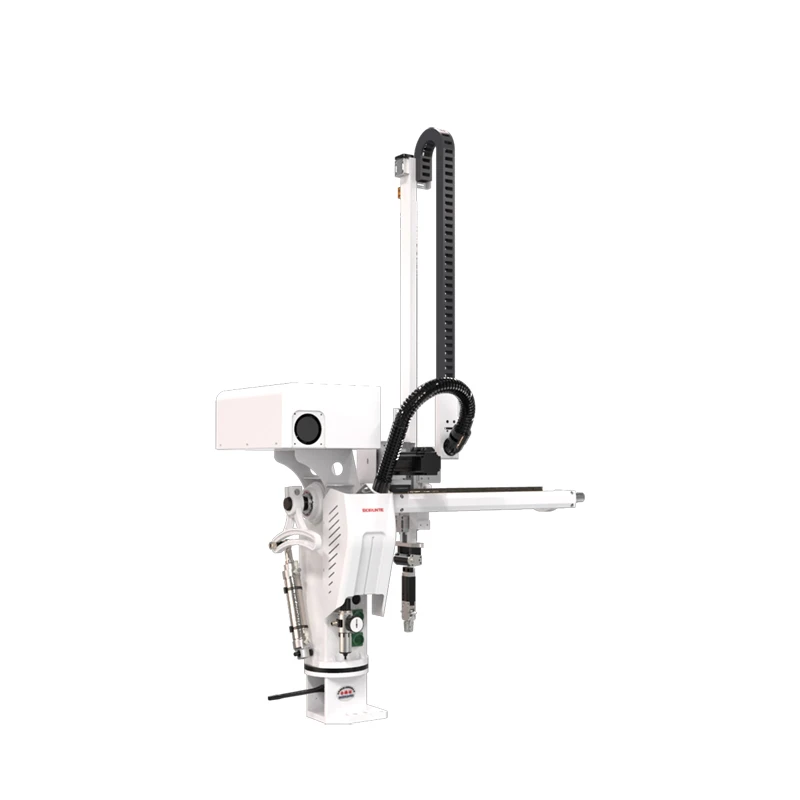
- Advanced Sensor Technology: Our robots are equipped with state-of-the-art sensors that provide real-time feedback on the position, speed, and force of the robot. This allows for precise control and ensures that the robot performs its tasks with high accuracy.
- User-Friendly Interface: Our control system features a user-friendly interface that makes it easy to program and operate the robot. The interface provides clear instructions and feedback, allowing operators to quickly and easily configure the robot for different tasks.
- Reliable Communication: Our robots use advanced communication technologies and protocols, such as Ethernet/IP and Modbus, to ensure reliable and secure communication with the control system. This allows for real-time monitoring and control of the robot, ensuring optimal performance and productivity.
Conclusion
In conclusion, effective communication between a Sprue Picker Robot and the control system is essential for ensuring precision, reliability, and safety in the injection molding process. By understanding the different types of communication technologies and protocols available, and by choosing a high-quality Sprue Picker Robot that is equipped with advanced communication features, you can optimize your production line and improve your bottom line.
If you are interested in learning more about our Sprue Picker Robot and how it can benefit your business, please do not hesitate to contact us. Our team of experts is ready to assist you in finding the perfect solution for your needs. Whether you need a single robot or a complete automation system, we have the expertise and experience to deliver a customized solution that meets your requirements.
References
- Groover, M. P. (2016). Automation, Production Systems, and Computer-Integrated Manufacturing. Pearson.
- Dorf, R. C., & Bishop, R. H. (2016). Modern Control Systems. Pearson.
- Nagrath, I. J., & Gopal, M. (2010). Control Systems Engineering. New Age International.