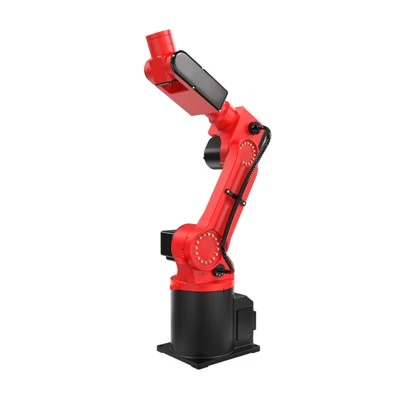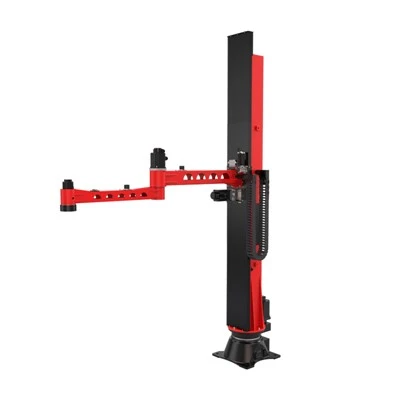


In the realm of modern manufacturing, the integration of advanced technologies has become a pivotal factor in enhancing efficiency, precision, and productivity. One such technological advancement that has gained significant traction in recent years is the integration of vision systems with molding machine robots. As a leading supplier of Link to "Molding Machine Robot", I am excited to delve into the possibilities and benefits of equipping these robots with vision systems.
Understanding Molding Machine Robots
Before we explore the potential of vision systems, it's essential to understand the role and capabilities of molding machine robots. These robots are specifically designed to operate in conjunction with molding machines, performing tasks such as part removal, insert placement, and quality inspection. They offer several advantages, including increased production speed, improved accuracy, and reduced labor costs.
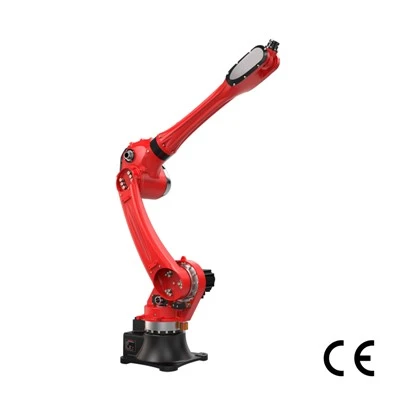
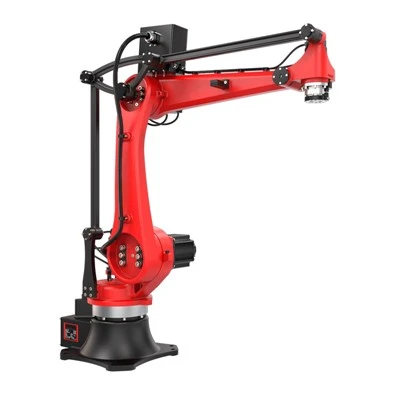
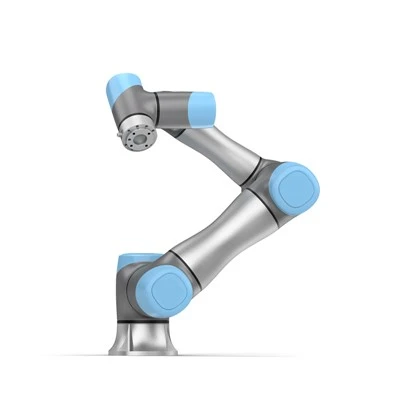
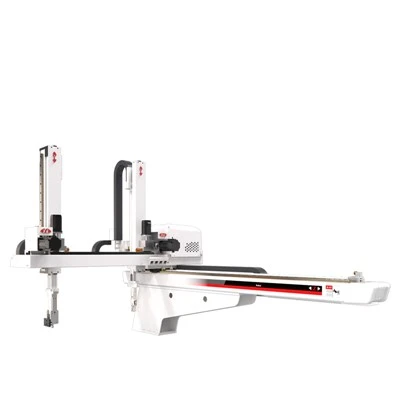
Link to "Robots for Injection Molding" are commonly used in industries such as automotive, electronics, and consumer goods, where high-volume production and strict quality standards are paramount. These robots are available in various configurations, including Cartesian, articulated, and SCARA robots, each offering unique benefits depending on the specific application requirements.
The Role of Vision Systems
Vision systems are becoming increasingly important in the manufacturing industry, providing robots with the ability to "see" and make informed decisions. A vision system typically consists of a camera, lighting, and software, which work together to capture and analyze images of the target object. This technology enables robots to perform a wide range of tasks, including object detection, positioning, and inspection.
When integrated with a molding machine robot, a vision system can significantly enhance the robot's capabilities. For example, the vision system can be used to detect the position and orientation of the molded part, allowing the robot to accurately pick it up and place it in the appropriate location. This reduces the risk of damage to the part and improves the overall efficiency of the production process.
In addition to part handling, vision systems can also be used for quality inspection. By analyzing the images captured by the camera, the vision system can detect defects such as cracks, voids, and flash on the molded part. This allows the robot to separate defective parts from the good ones, ensuring that only high-quality products are delivered to the customer.
Benefits of Equipping Molding Machine Robots with Vision Systems
The integration of vision systems with molding machine robots offers several benefits, including:
- Increased Precision: Vision systems provide robots with the ability to accurately detect the position and orientation of the target object, allowing them to perform tasks with greater precision. This is particularly important in applications where tight tolerances are required, such as in the production of electronic components.
- Improved Quality Control: By detecting defects on the molded part, vision systems help to ensure that only high-quality products are delivered to the customer. This reduces the risk of product recalls and improves customer satisfaction.
- Enhanced Productivity: Vision systems enable robots to perform tasks more quickly and efficiently, reducing the cycle time and increasing the overall productivity of the production process. This is especially beneficial in high-volume production environments.
- Flexibility and Adaptability: Vision systems can be easily programmed to handle different types of parts and applications, making them a versatile solution for a wide range of manufacturing needs. This allows manufacturers to quickly adapt to changing production requirements and market demands.
Challenges and Considerations
While the integration of vision systems with molding machine robots offers numerous benefits, there are also some challenges and considerations that need to be addressed. These include:
- Cost: Vision systems can be expensive, especially when considering the cost of the camera, lighting, and software. However, the cost of vision systems has been decreasing in recent years, making them more accessible to a wider range of manufacturers.
- Complexity: Integrating a vision system with a molding machine robot requires a certain level of technical expertise. Manufacturers may need to work with a system integrator or a robotics supplier to ensure that the vision system is properly installed and configured.
- Environmental Conditions: Vision systems can be affected by environmental conditions such as lighting, temperature, and humidity. Manufacturers need to ensure that the vision system is designed and installed to operate effectively in the specific environment of the production facility.
Real-World Applications
The integration of vision systems with molding machine robots has been successfully implemented in various industries. For example, in the automotive industry, Link to "Plastic Injection Molding Robot" equipped with vision systems are used to handle and inspect plastic parts, such as dashboard components and door panels. The vision system allows the robot to accurately pick up the part and detect any defects, ensuring that only high-quality parts are used in the assembly process.
In the electronics industry, Link to "Injection Robot" with vision systems are used to place inserts into the mold and inspect the finished product. The vision system helps to ensure that the inserts are placed in the correct position and that the finished product meets the required quality standards.
Conclusion
In conclusion, the integration of vision systems with molding machine robots offers significant benefits in terms of precision, quality control, productivity, and flexibility. While there are some challenges and considerations that need to be addressed, the potential advantages make this technology a worthwhile investment for manufacturers looking to improve their production processes.


As a supplier of Link to "Molding Machine Robot", we are committed to providing our customers with the latest technologies and solutions to meet their manufacturing needs. If you are interested in learning more about how our molding machine robots can be equipped with vision systems, or if you have any other questions or inquiries, please do not hesitate to contact us. We look forward to the opportunity to discuss your specific requirements and to help you find the best solution for your business.
References
- Some relevant industry whitepapers on the integration of robotics and vision systems.
- Technical literature from vision system manufacturers.
- Case studies from companies that have successfully implemented vision systems on molding machine robots.