

Hey there! As a supplier of injection molding robots, I'm super excited to share with you the main types of these nifty machines. Injection molding robots have revolutionized the manufacturing industry, making the production process more efficient, accurate, and cost - effective. So, let's dive right in and explore the different types.
Sprue Picker Robot
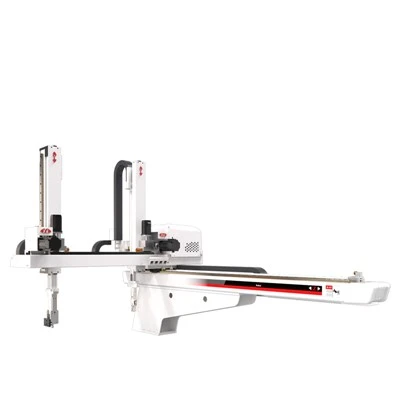
One of the most common types is the Sprue Picker Robot. This robot is specifically designed to handle the sprue, which is the excess plastic that forms in the injection molding process. You know, that little bit of plastic that connects the molded part to the runner system.
The sprue picker robot is like a nimble little worker. It quickly and precisely removes the sprue from the mold as soon as the molding cycle is complete. This not only helps in getting rid of the waste material but also speeds up the production process. Instead of having a human operator do this repetitive and sometimes dangerous task, the sprue picker robot can do it over and over again without getting tired.
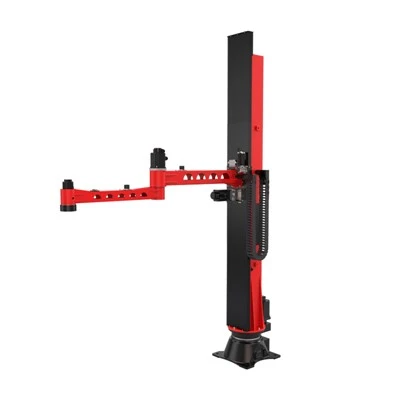
These robots are usually equipped with grippers that are designed to hold the sprue firmly. They can be programmed to move in different directions, depending on the layout of the mold. Some sprue picker robots are also capable of sorting the sprues, separating them based on size or type. This can be really useful if you're recycling the sprues later on.
Molding Machine Robot
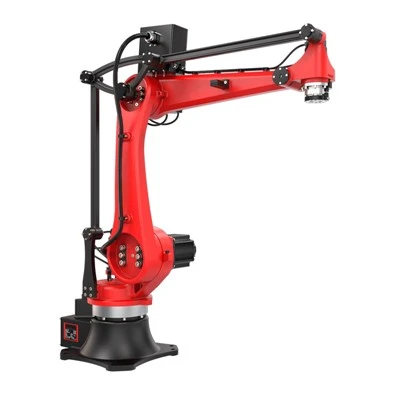
Next up, we have the Molding Machine Robot. This type of robot is a bit more versatile and can perform a variety of tasks related to the injection molding machine.
First of all, it can load and unload the molds. This is a crucial step in the injection molding process. The robot can carefully place the mold into the injection molding machine and then remove it once the part is molded. This ensures that the molds are handled properly, reducing the risk of damage.
Molding machine robots can also insert inserts into the molds. Inserts are small parts that are placed inside the mold before the plastic is injected. They can add extra functionality or strength to the molded part. The robot can precisely position the inserts, ensuring that they are in the right place every time.
In addition, these robots can perform quality control checks. They can use sensors to detect any defects in the molded parts, such as cracks or uneven surfaces. If a defect is detected, the robot can remove the part from the production line, preventing it from being shipped to the customer.
Plastic Injection Molding Robot
The Plastic Injection Molding Robot is another important type. This robot is mainly focused on the actual injection molding process itself.
It can control the injection of the plastic into the mold. This includes regulating the temperature, pressure, and flow rate of the plastic. By precisely controlling these parameters, the robot can ensure that the molded parts have the right shape, size, and quality.
Plastic injection molding robots can also perform post - molding operations. For example, they can trim the excess plastic from the edges of the molded parts. This gives the parts a clean and professional look.
These robots are often integrated with the injection molding machine's control system. This allows them to work in sync with the machine, adjusting their operations based on the real - time data from the molding process.
Other Types
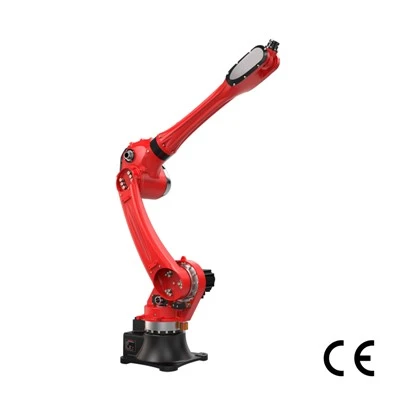
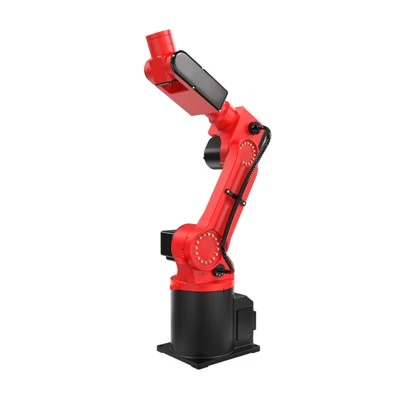
There are also some other specialized types of injection molding robots. For example, there are multi - axis robots. These robots have more degrees of freedom, which means they can move in more complex ways. They are great for handling parts that require a high level of precision and flexibility.
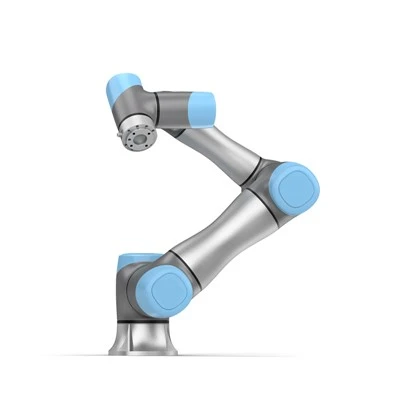
There are also collaborative robots, or cobots for short. These robots are designed to work alongside human operators. They are equipped with safety features that allow them to interact with humans without causing harm. Cobots can be used for tasks such as assembly or inspection, where human judgment and dexterity are still important.
Advantages of Using Injection Molding Robots
Now that we've talked about the different types of injection molding robots, let's take a look at why you should consider using them in your manufacturing process.


First of all, robots can improve the quality of your products. They can perform tasks with a high level of precision, reducing the number of defects in the molded parts. This means that you'll have fewer returns from your customers and a better reputation in the market.
Secondly, robots can increase productivity. They can work 24/7 without getting tired, which means that you can produce more parts in less time. This can help you meet your production deadlines and increase your overall output.
Robots can also reduce labor costs. Instead of hiring multiple human operators to perform repetitive tasks, you can use a single robot to do the job. This not only saves on wages but also reduces the risk of human error.
How to Choose the Right Injection Molding Robot
Choosing the right injection molding robot for your business can be a bit tricky. Here are some factors to consider:
- Task Requirements: Think about the specific tasks you need the robot to perform. If you mainly need to remove sprues, a sprue picker robot might be the best choice. If you need to perform multiple tasks, such as mold loading and quality control, a molding machine robot could be more suitable.
- Payload Capacity: Consider the weight of the parts or objects the robot will need to handle. Make sure the robot has enough payload capacity to lift and move the items without any problems.
- Speed and Accuracy: Depending on your production requirements, you might need a robot that can work quickly and accurately. Look for robots with high - speed capabilities and precise positioning systems.
- Cost: Of course, cost is an important factor. Compare the prices of different robots and consider the long - term savings in terms of productivity and quality.
Contact Us for Your Injection Molding Robot Needs
If you're interested in learning more about our injection molding robots or are ready to make a purchase, we'd love to hear from you. Our team of experts can help you choose the right robot for your specific needs and provide you with all the support you need during the installation and operation process.
Whether you're a small - scale manufacturer or a large - scale production facility, we have the perfect injection molding robot solution for you. So, don't hesitate to reach out and start a conversation with us. Let's work together to take your manufacturing process to the next level.
References
- "Injection Molding Handbook" by O. Olajide
- "Robotics in Manufacturing" by M. Smith