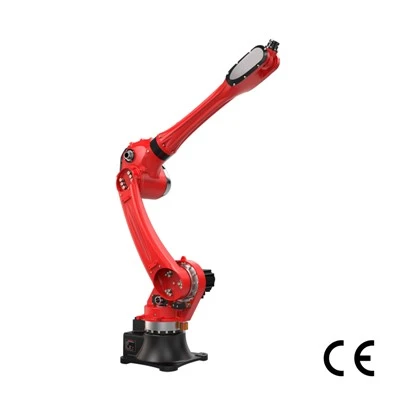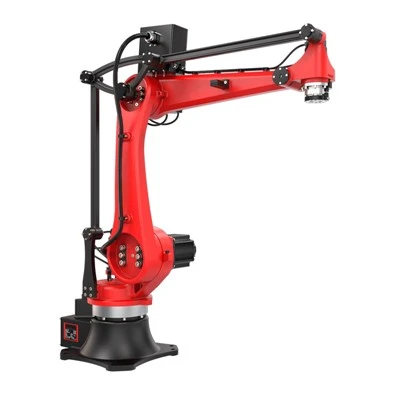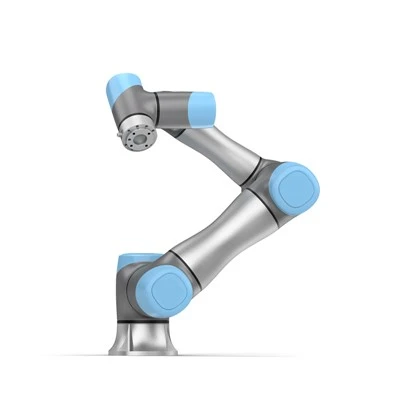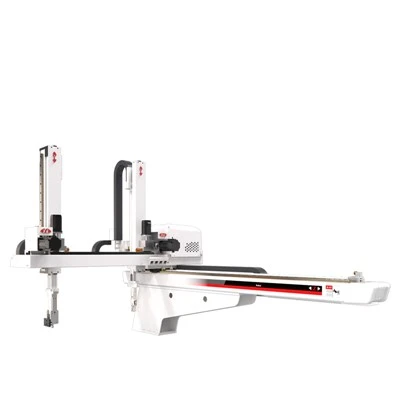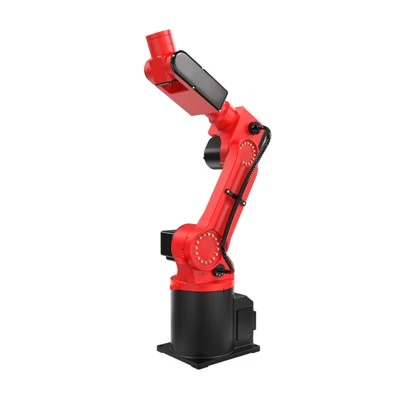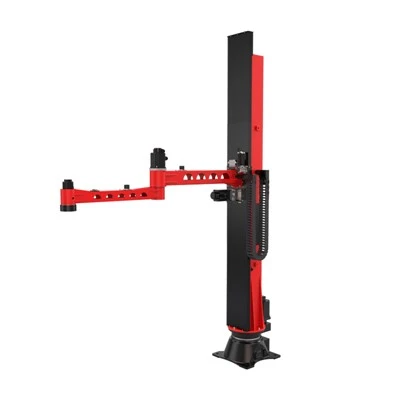


In the modern manufacturing landscape, CNC robot arms have emerged as indispensable assets, revolutionizing production processes with their precision, efficiency, and versatility. As a leading supplier of [CNC robot arms], we understand the critical role that environmental conditions play in ensuring the optimal performance, longevity, and reliability of these advanced machines. In this blog post, we will delve into the key environmental requirements for a CNC robot arm, exploring how factors such as temperature, humidity, dust, and vibration can impact its operation and offering practical tips on how to create an ideal environment for your robotic investment.
Temperature and Humidity Control
One of the most crucial environmental factors affecting the performance of a CNC robot arm is temperature. Extreme temperatures, whether too hot or too cold, can have a detrimental impact on the robot's mechanical components, electrical systems, and overall functionality. High temperatures can cause thermal expansion, leading to misalignments, increased wear and tear, and reduced accuracy. On the other hand, low temperatures can make the robot's lubricants thicker, increasing friction and potentially causing damage to moving parts.
To ensure optimal performance, it is recommended to operate the CNC robot arm within a temperature range of [specific temperature range]. This can be achieved by installing the robot in a climate-controlled environment, such as a temperature-regulated factory or workshop. Additionally, proper ventilation is essential to prevent heat buildup around the robot. Adequate airflow can help dissipate heat generated by the robot's motors and electronics, keeping the temperature within the acceptable range.
Humidity is another important environmental factor that can affect the performance and lifespan of a CNC robot arm. High humidity levels can lead to corrosion of metal components, which can compromise the structural integrity of the robot and cause electrical malfunctions. Excessive moisture can also promote the growth of mold and mildew, which can damage the robot's electronics and other sensitive parts.
To prevent these issues, it is important to maintain a relative humidity level between [specific humidity range] in the environment where the CNC robot arm is installed. This can be achieved by using dehumidifiers or humidifiers, depending on the local climate and the specific needs of the robot. Regular monitoring of humidity levels is also recommended to ensure that they remain within the acceptable range.
Dust and Debris Management
Dust and debris are common contaminants in industrial environments, and they can pose a significant threat to the performance and reliability of a CNC robot arm. Dust particles can accumulate on the robot's moving parts, such as bearings, gears, and joints, causing increased friction and wear. This can lead to reduced accuracy, decreased efficiency, and even premature failure of the robot.
To minimize the impact of dust and debris on the CNC robot arm, it is important to keep the work area clean and free from contaminants. This can be achieved by implementing a regular cleaning schedule, using vacuum cleaners or compressed air to remove dust and debris from the robot and its surroundings. Additionally, installing air filters in the work area can help to reduce the amount of dust and contaminants in the air, further protecting the robot.
In some cases, it may also be necessary to use additional protective measures, such as dust covers or enclosures, to shield the CNC robot arm from dust and debris. These protective measures can help to prevent dust from entering the robot's internal components, reducing the risk of damage and extending the lifespan of the robot.
Vibration and Shock Absorption
Vibration and shock can have a negative impact on the performance and accuracy of a CNC robot arm. Excessive vibration can cause the robot's joints to loosen, leading to misalignments and reduced accuracy. Shock can also damage the robot's components, such as motors, sensors, and controllers, causing malfunctions and downtime.
To minimize the impact of vibration and shock on the CNC robot arm, it is important to install the robot on a stable and vibration-resistant surface. This can be achieved by using vibration isolation mounts or pads, which can help to absorb and dampen vibrations. Additionally, it is important to ensure that the robot is properly secured to the surface to prevent it from moving or shifting during operation.
In some cases, it may also be necessary to use additional shock absorption measures, such as shock absorbers or dampers, to protect the CNC robot arm from sudden impacts or vibrations. These protective measures can help to reduce the risk of damage to the robot's components and ensure its continued performance and reliability.
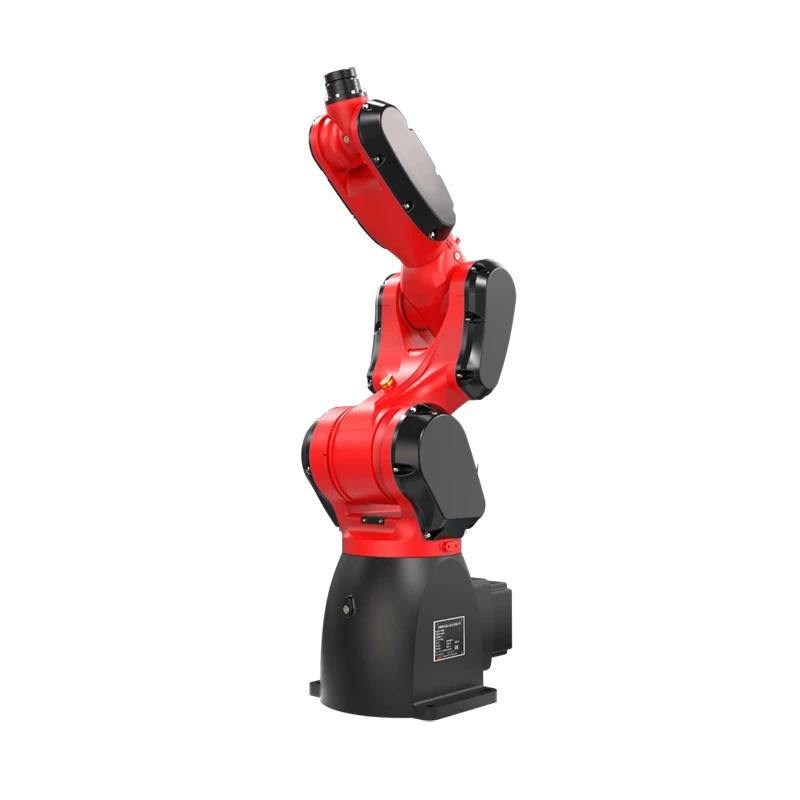
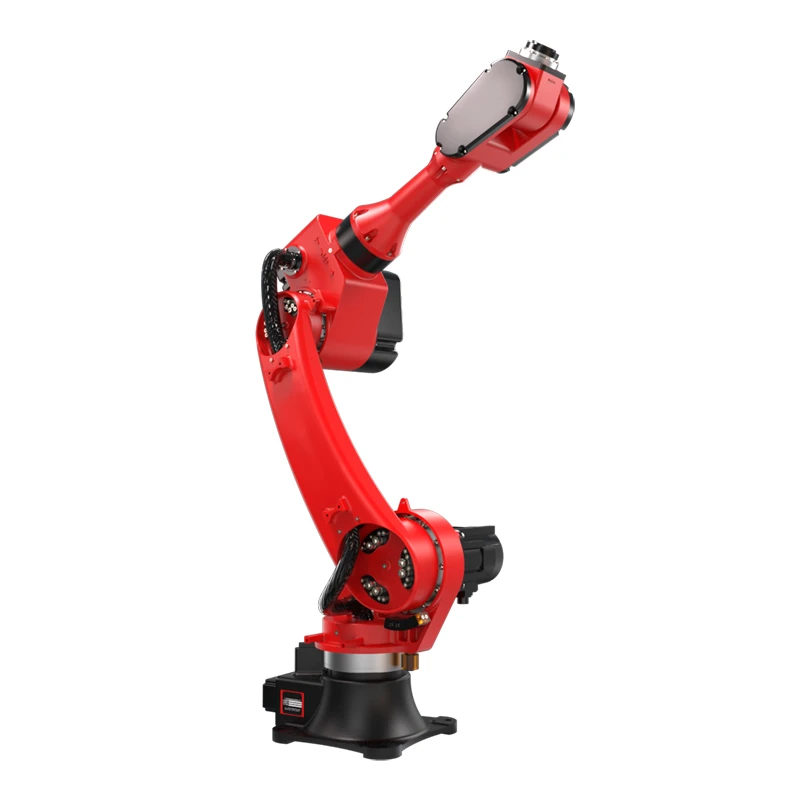
Electrical and Electromagnetic Compatibility
The electrical and electromagnetic environment in which the CNC robot arm operates can also have a significant impact on its performance and reliability. Electrical interference, such as voltage spikes, surges, and noise, can cause malfunctions in the robot's electrical systems, leading to inaccurate movements, reduced efficiency, and even system failures.
To ensure electrical and electromagnetic compatibility, it is important to provide the CNC robot arm with a stable and clean power supply. This can be achieved by using a dedicated power source, such as a uninterruptible power supply (UPS) or a voltage regulator, to protect the robot from electrical interference. Additionally, it is important to ensure that the robot's electrical wiring is properly installed and grounded to prevent electrical shocks and short circuits.
Electromagnetic interference (EMI) can also be a problem in industrial environments, especially in areas where there are other electrical equipment or machinery. EMI can disrupt the communication between the robot's controllers and sensors, leading to inaccurate movements and reduced performance. To minimize the impact of EMI on the CNC robot arm, it is important to use shielded cables and wiring, and to install the robot in a location that is away from sources of electromagnetic interference.
Conclusion
As a supplier of [CNC robot arms], we understand the importance of creating an ideal environment for these advanced machines to ensure their optimal performance, longevity, and reliability. By controlling temperature and humidity, managing dust and debris, minimizing vibration and shock, and ensuring electrical and electromagnetic compatibility, you can help to protect your CNC robot arm from damage and ensure its continued operation.
If you are interested in learning more about our [CNC robot arms] or have any questions about the environmental requirements for these machines, please do not hesitate to contact us. Our team of experts is always available to provide you with the information and support you need to make an informed decision about your robotic investment. We look forward to hearing from you and helping you to take your manufacturing processes to the next level with our high-quality [CNC robot arms].
References
- "Industrial Robot Installation and Operation Guidelines," [Author or Organization], [Publication Date]
- "Environmental Requirements for CNC Machines," [Author or Organization], [Publication Date]
- "Robotics and Automation Handbook," [Author or Organization], [Publication Date]
Links
- Loading and Unloading Robot
- CNC Machine Tending Robot
- CNC Tending Robot
- CNC Loading Robot
- Machine Tending Robot
Contact us today to discuss your specific requirements and explore how our CNC robot arms can enhance your manufacturing processes. We are here to support you every step of the way.