

Hey there! As a supplier of CNC Loading Robots, I often get asked about the movement range of these nifty machines. So, I thought I'd take a deep dive into this topic and share everything you need to know.
Let's start with the basics. A CNC Loading Robot is a game - changer in the manufacturing industry. It's designed to automate the process of loading and unloading workpieces into CNC machines, making production faster, more efficient, and less error - prone. You can check out more about CNC Loading Robot on our website.
Understanding the Movement Range
The movement range of a CNC Loading Robot is essentially the area within which the robot can move its end - effector (the part that interacts with the workpiece) to perform tasks. It's determined by several factors, including the robot's design, the number of axes it has, and its mechanical structure.
Axes of Movement
Most CNC Loading Robots come with multiple axes of movement. The more axes a robot has, the more flexible and precise its movement can be.
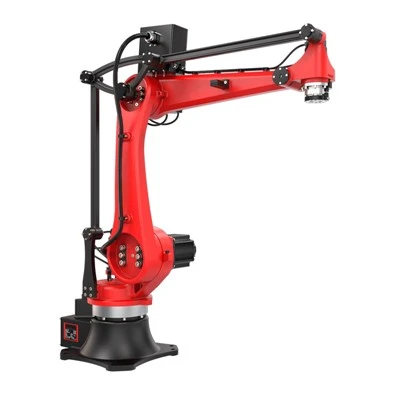
- 3 - Axis Robots: These are the most basic type. They can move in three linear directions: X (left - to - right), Y (forward - and - backward), and Z (up - and - down). They're great for simple loading and unloading tasks where the movement is relatively straightforward. For example, if you're loading flat workpieces onto a simple CNC milling machine, a 3 - axis robot might be just what you need.
- 4 - Axis Robots: In addition to the three linear axes, a 4 - axis robot has an additional rotational axis. This rotation usually occurs around the Z - axis, allowing the robot to rotate the workpiece or its end - effector. This extra degree of freedom makes it suitable for tasks that require some angular adjustment, like loading workpieces into a CNC lathe at a specific angle.
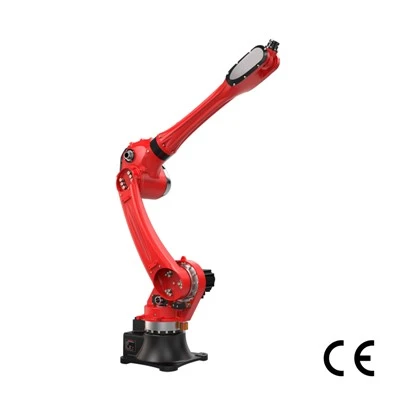
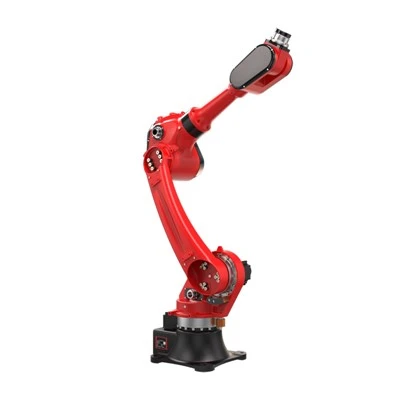
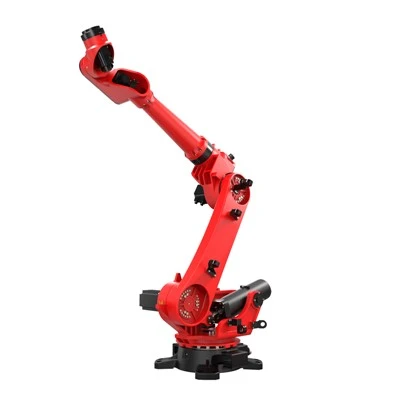
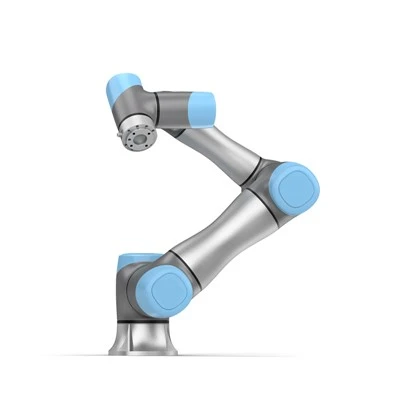
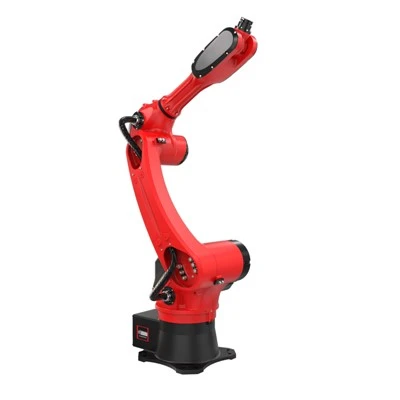
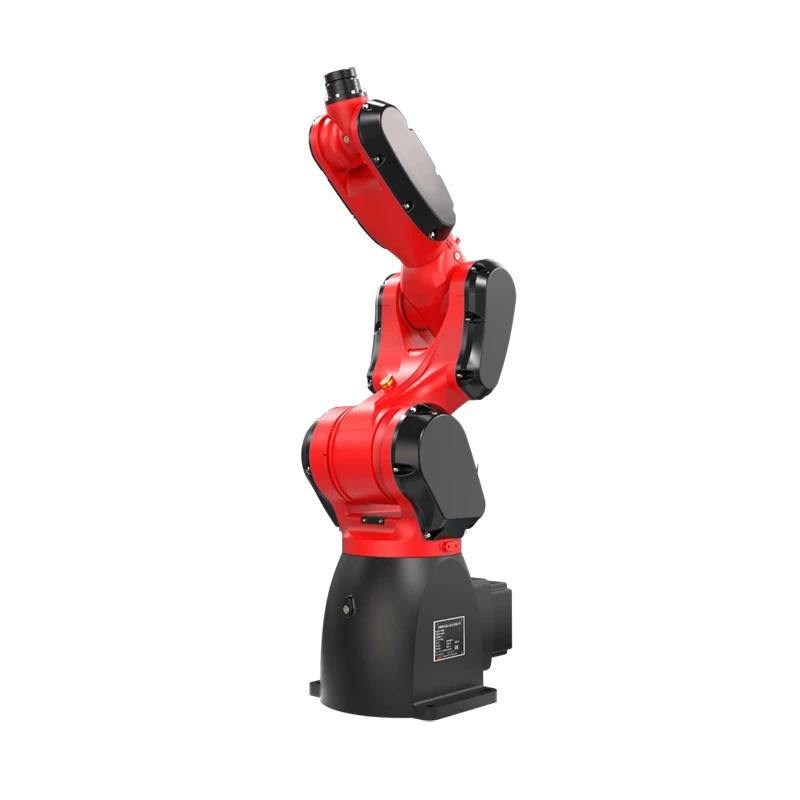
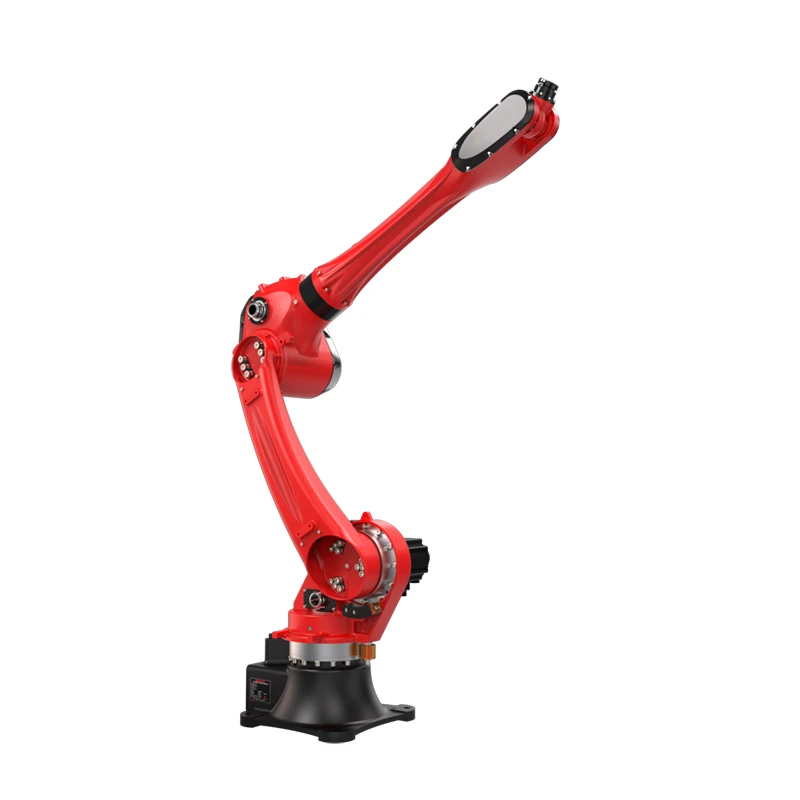
- 6 - Axis Robots: These are the most versatile ones. Along with the three linear and one rotational axis like in 4 - axis robots, they have two more rotational axes. This enables the robot to reach virtually any point within its working envelope and approach the workpiece from any angle. With a CNC Robot Arm of this kind, you can handle complex loading and unloading operations, such as those in multi - axis CNC machining centers.
Working Envelope
The working envelope of a CNC Loading Robot is like its "playground." It's the three - dimensional space that the robot can access. The size and shape of the working envelope depend on the robot's arm length, the joint ranges, and the overall design.
For instance, a robot with a long arm can cover a larger area horizontally, while one with a more flexible joint design might have a greater vertical reach. Some robots have a spherical - shaped working envelope, while others might have a more cylindrical or rectangular one. This is important because you need to make sure that the robot can reach all the necessary points on your CNC machine, such as the loading and unloading stations, and the tool changers if applicable.
Factors Affecting the Movement Range
There are several factors that can influence the movement range of a CNC Loading Robot.
Payload
The payload is the weight that the robot can carry. A higher payload can limit the robot's movement range, especially in terms of speed and acceleration. If you're using a robot to load heavy workpieces, it might not be able to move as quickly or cover as large an area as it would with a lighter payload. So, you need to choose a robot with a payload capacity that matches your production requirements.
Speed and Acceleration
The speed at which the robot can move and how quickly it can accelerate also play a role. Faster robots can cover more ground in a shorter time, but they might have limitations on the precision of their movement. On the other hand, slower - moving robots can be more accurate but may reduce your overall production throughput. You need to find a balance between speed, acceleration, and precision based on your specific application.
Mechanical Constraints
The physical design of the robot can impose some limitations on its movement range. For example, the length of the robot's links, the size of its joints, and the presence of any protective covers or cables can all affect how far and how freely the robot can move.
Applications Based on Movement Range
The movement range of a CNC Loading Robot determines its suitability for different applications.
Simple Loading and Unloading
For basic loading and unloading tasks on single - axis or simple multi - axis CNC machines, a 3 - or 4 - axis robot with a relatively small working envelope might be sufficient. These robots are often used in high - volume production of standard parts, where the movement pattern is repetitive and straightforward. You can learn more about Loading and Unloading Robot on our site.
Complex Machining Operations
In more complex machining operations, such as multi - axis milling or turning, 6 - axis robots are the go - to choice. Their wide movement range allows them to handle workpieces in various orientations and access hard - to - reach areas of the CNC machine. They're commonly used in industries like aerospace and automotive manufacturing, where precision and flexibility are crucial. We've got more information on CNC Machine Tending Robot for those who are interested.
Benefits of a Wide Movement Range
Having a CNC Loading Robot with a wide movement range offers several benefits.
- Increased Flexibility: It allows you to use the same robot for multiple tasks and different types of CNC machines. You can easily switch between loading different workpieces or perform additional operations like tool changing and part inspection without having to invest in multiple robots.
- Higher Productivity: A wider movement range means the robot can cover more ground and perform tasks more efficiently. It can reduce the time between loading and unloading operations, leading to increased production throughput.
- Improved Precision: With greater movement capabilities, the robot can position the workpiece more accurately in the CNC machine. This results in higher - quality finished products and fewer rejects.
Choosing the Right Movement Range
When choosing a CNC Loading Robot, it's important to consider your specific production requirements.
- Analyze Your Workpieces: Look at the size, shape, and weight of the workpieces you'll be handling. This will help you determine the payload capacity and the working envelope you need.
- Evaluate Your CNC Machines: Consider the layout of your CNC machines, the location of the loading and unloading stations, and the complexity of the machining operations. This will give you an idea of the number of axes and the movement flexibility required.
- Think About Future Expansion: If you plan to expand your production in the future or add new types of CNC machines, choose a robot with a more versatile movement range that can adapt to these changes.
If you're in the market for a CNC Loading Robot and want to learn more about which one is right for you based on its movement range, don't hesitate to reach out. We're here to help you find the perfect solution for your manufacturing needs. Whether you're just getting started with automation or looking to upgrade your existing setup, our team of experts can provide you with all the information and support you require.
We also have a great selection of Machine Tending Robot options that you might want to explore. So, don't miss out on the opportunity to take your production to the next level with our high - quality CNC Loading Robots. Contact us today to start the conversation!
References
- "Industrial Robots: Technology, Programming, and Applications" by Michael P. Geisert and Peter E. Nussbaumer
- "Automation, Production Systems, and Computer - Integrated Manufacturing" by Mikell P. Groover