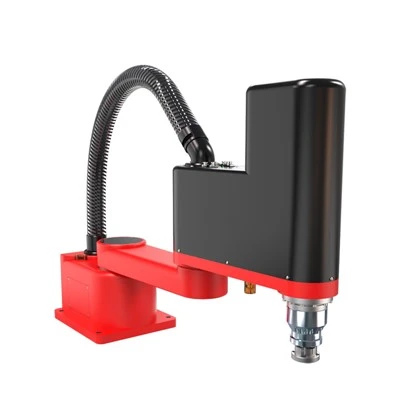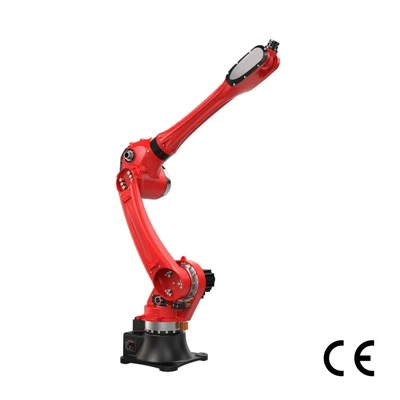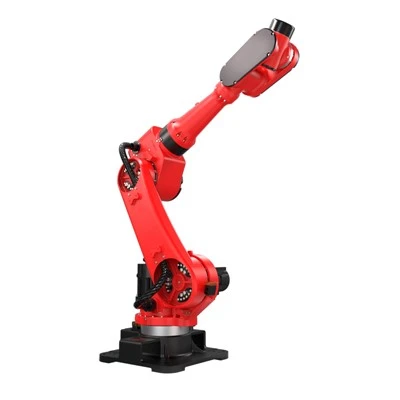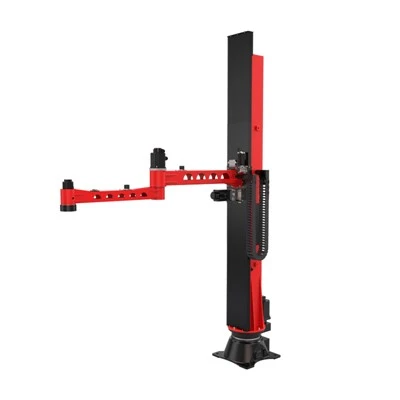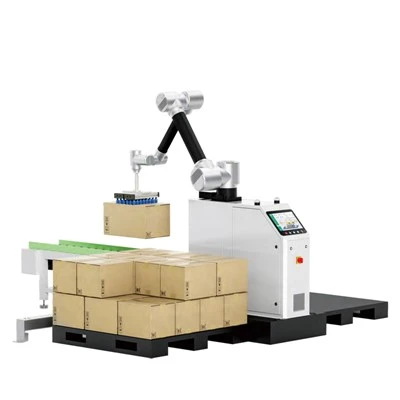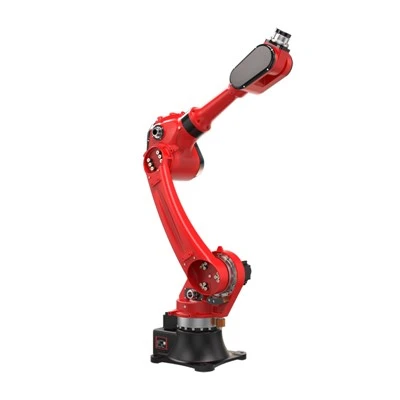


A machine tending robot is a crucial component in modern manufacturing, designed to perform tasks such as loading and unloading workpieces from machines, ensuring continuous and efficient production processes. At the heart of its safety and optimal operation lies the braking system. As a Machine Tending Robot supplier, we understand the significance of a reliable braking system and its impact on the overall performance of the robot.
The Basics of a Braking System in Machine Tending Robots
The braking system in a machine tending robot serves multiple purposes. Primarily, it is responsible for holding the robot's joints in place when the robot is not in motion. This is essential for maintaining the position of the robot's arm and end - effector, ensuring that the workpiece remains in the correct location. When the robot is powered off, the brakes prevent the joints from moving due to gravity or external forces.
In addition to holding the position, the braking system also plays a vital role in quick stops during emergency situations. In a manufacturing environment, there are numerous potential hazards, such as collisions with other machinery, operators accidentally entering the robot's working area, or malfunction of the robot itself. A well - designed braking system can bring the robot to a halt rapidly, minimizing the risk of damage to the robot, the workpiece, and the surrounding equipment, as well as reducing the potential for injury to human operators.
Types of Brakes Used in Machine Tending Robots
Electromagnetic Brakes
Electromagnetic brakes are widely used in machine tending robots. These brakes operate on the principle of electromagnetic force. When the robot is powered on and in normal operation, the electromagnetic coil is energized, which creates a magnetic field. This magnetic field releases the brake, allowing the robot's joints to move freely. When the power is cut off, either intentionally or due to an emergency stop, the electromagnetic coil loses its magnetic field, and a spring - loaded mechanism engages the brake, locking the joint in place.
One of the advantages of electromagnetic brakes is their fast response time. They can engage or disengage in a matter of milliseconds, which is crucial for emergency stops. Additionally, electromagnetic brakes are relatively simple in design and easy to maintain. They also do not require a separate power source for operation, as they can be integrated into the robot's existing electrical system.
Hydraulic Brakes
Hydraulic brakes are another option for machine tending robots. These brakes use hydraulic fluid to generate the braking force. In a hydraulic braking system, a pump pressurizes the hydraulic fluid, which is then transferred to the brake cylinders. When the brake needs to be engaged, the hydraulic pressure is applied to the brake pads or disks, creating friction and stopping the motion of the robot's joint.
Hydraulic brakes offer high braking torque, which makes them suitable for heavy - duty machine tending robots that handle large and heavy workpieces. They can provide a more consistent and powerful braking force compared to electromagnetic brakes. However, hydraulic brakes are more complex in design and require regular maintenance of the hydraulic system, including checking for leaks and ensuring proper fluid levels.
Mechanical Brakes
Mechanical brakes are often used in combination with other types of brakes or as a backup system. These brakes rely on mechanical components such as gears, levers, and springs to generate the braking force. For example, a mechanical brake may use a ratchet and pawl mechanism to lock the joint in place.
Mechanical brakes are simple, reliable, and do not depend on electrical or hydraulic power. They can be a cost - effective solution for some applications. However, they may have a slower response time compared to electromagnetic and hydraulic brakes, and their braking force may be more limited.
Factors Affecting the Performance of Braking Systems
Robot Payload
The payload of the machine tending robot has a significant impact on the braking system. A heavier payload requires a more powerful braking system to hold the joint in place and bring the robot to a stop safely. For example, a Machine Tending Robot designed to handle large and heavy CNC parts will need a braking system with higher torque capacity compared to a robot for handling smaller components.
Operating Speed
The operating speed of the robot also affects the braking requirements. A robot that moves at a high speed needs a braking system that can decelerate it quickly. Faster - moving robots generate more kinetic energy, and the braking system must be able to dissipate this energy efficiently to avoid damage to the robot and ensure the safety of the surrounding environment.
Environmental Conditions
The environment in which the machine tending robot operates can also influence the performance of the braking system. In a dirty or dusty environment, there is a higher risk of contamination of the brake components, which can reduce their effectiveness. In a corrosive environment, the brake materials may need to be resistant to corrosion to ensure long - term reliability. Additionally, extreme temperatures can affect the performance of the brake fluid in hydraulic brakes or the magnetic properties of electromagnetic brakes.
Integration of Braking Systems with Robot Control
The braking system is closely integrated with the robot's control system. The control system monitors the robot's motion and can detect abnormal conditions that may require a brake to be engaged. For example, if the robot's movement deviates from the programmed path or if there is a sudden increase in force on the robot's arm, the control system can send a signal to the braking system to stop the robot.
In modern machine tending robots, the control system can also perform self - diagnostics on the braking system. It can check for factors such as brake wear, proper engagement, and the functionality of the electrical or hydraulic components. This allows for early detection of potential problems and proactive maintenance, reducing the likelihood of unexpected brake failures.
Safety Standards and Regulations for Braking Systems
Braking systems in machine tending robots must comply with various safety standards and regulations. These standards are designed to ensure the safety of operators and the proper functioning of the robot. For example, the ISO 10218 standard provides guidelines for the safety requirements of industrial robots, including the design and performance of braking systems.
Compliance with these standards involves rigorous testing of the braking system under different operating conditions. The testing typically evaluates factors such as braking distance, braking torque, and the response time of the brakes. Manufacturers of machine tending robots, like us, are committed to ensuring that our products meet or exceed these safety standards.
Applications and Benefits of a Reliable Braking System
CNC Machining
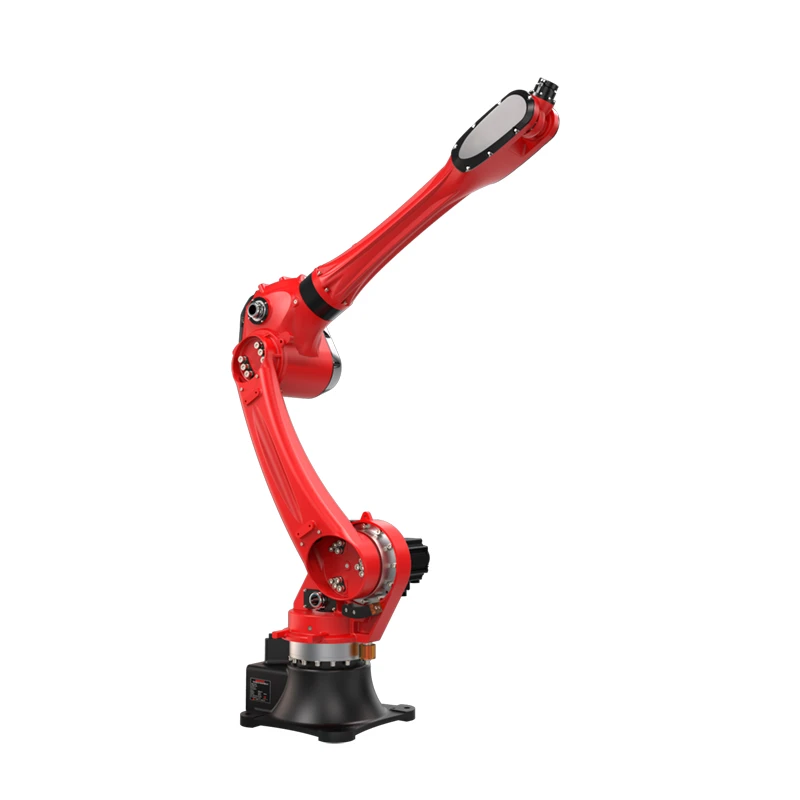
In CNC machining applications, CNC Loading Robot and CNC Machine Tending Robot are used to load and unload workpieces into CNC machines. A reliable braking system ensures that the robot can accurately position the workpiece in the machine, reducing the risk of errors and improving the quality of the machined parts. In case of an emergency, the brakes can quickly stop the robot, preventing damage to the CNC machine and the workpiece.
Assembly Lines
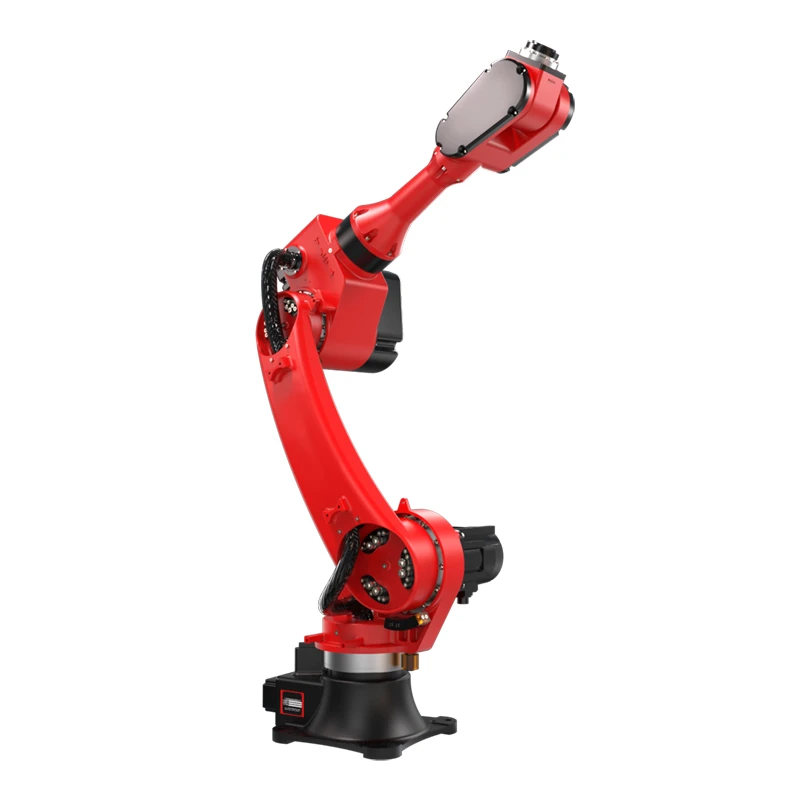
On assembly lines, Loading and Unloading Robot and CNC Robot Arm are used to move components between different stations. The braking system helps maintain the precise positioning of the components during assembly, ensuring the accuracy of the final product. It also provides a safety net in case of any disruptions in the assembly process.
Conclusion and Call to Action
In conclusion, the braking system is a critical component of a machine tending robot, providing safety, precision, and reliability in manufacturing operations. As a leading supplier of Machine Tending Robots, we are dedicated to providing high - quality robots with advanced braking systems. Our robots are designed to meet the diverse needs of modern manufacturing, whether it's in CNC machining, assembly lines, or other applications.
If you are interested in learning more about our Machine Tending Robots and their braking systems, or if you are considering purchasing a machine tending solution for your manufacturing facility, we encourage you to reach out to us. We can provide you with detailed product information, technical support, and assistance in selecting the right robot for your specific requirements. Let's work together to enhance the efficiency and safety of your manufacturing processes.
References
- ISO 10218:2011, Robots and robotic devices - Safety requirements for industrial robots
- Robotics Handbook, Second Edition, edited by Thomas R. Kurfess