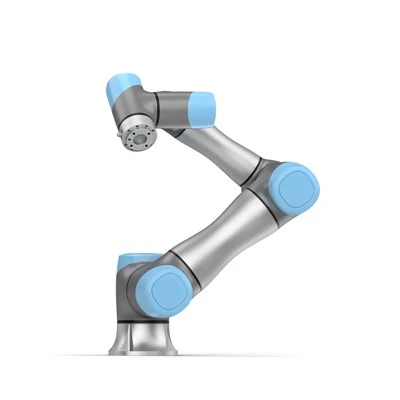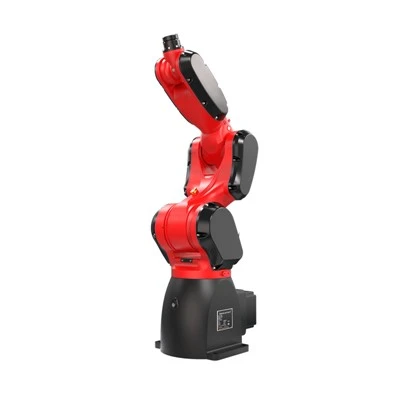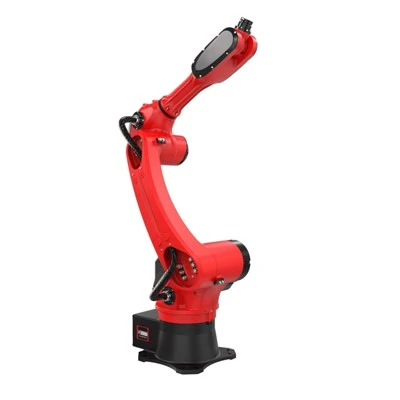


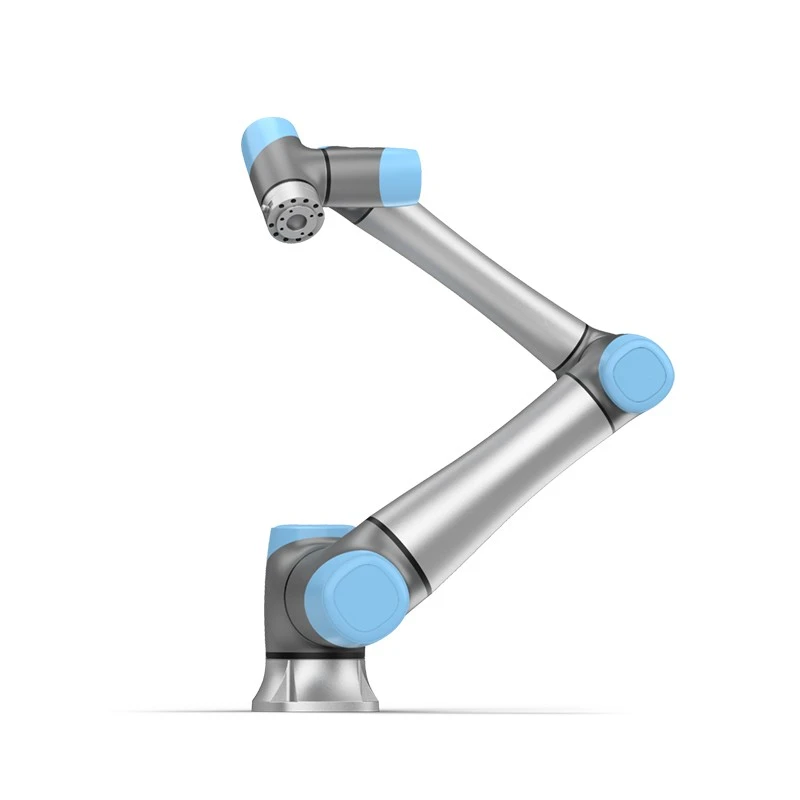
As a cobot (collaborative robot) supplier, I've witnessed firsthand the growing demand for these versatile machines across various industries. One of the most crucial aspects that businesses consider when investing in cobots is scalability. Scalability in the context of cobots refers to the ability of these systems to adapt, grow, and expand in response to changing business needs, production volumes, and operational requirements. In this blog, I'll explore the key scalability aspects of cobots and how they can benefit businesses of all sizes.
1. Flexibility in Application
Cobots are renowned for their flexibility, which is a cornerstone of scalability. Unlike traditional industrial robots that are often specialized for a single task, cobots can be easily reprogrammed and redeployed to perform a wide range of applications. This means that as your business evolves and new tasks emerge, your cobot can be quickly adapted to meet these changing demands.
For instance, a manufacturing company might initially deploy a cobot for Machine Tending Cobot. The cobot can load and unload parts from machining centers, increasing productivity and reducing operator fatigue. As the business expands and diversifies its product line, the same cobot can be reprogrammed to handle assembly tasks, such as inserting components or tightening screws. This flexibility allows businesses to maximize the value of their cobot investment and adjust to market fluctuations without significant capital expenditure.
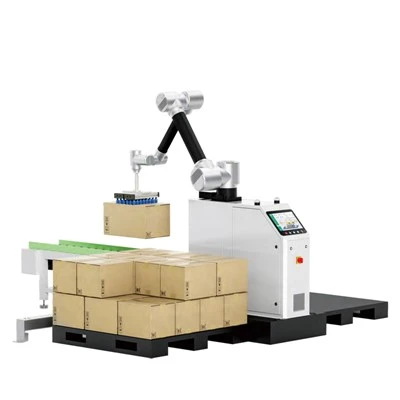
In addition to task flexibility, cobots can also collaborate with human workers in different ways. They can operate in close proximity to humans, sharing the same workspace and performing complementary tasks. This collaborative approach enables businesses to scale their operations by augmenting the capabilities of their human workforce. For example, a cobot can assist a human worker in lifting heavy objects or performing repetitive tasks, allowing the worker to focus on more complex and value-added activities.
2. Ease of Integration
Another important scalability aspect of cobots is their ease of integration into existing production environments. Cobots are designed to be user-friendly and can be quickly installed and set up without the need for extensive modifications to the workplace. They typically come with intuitive programming interfaces that allow operators with minimal training to program and operate the cobot.
This ease of integration means that businesses can start small with a single cobot and gradually scale up their deployment as needed. For example, a small business might initially install a cobot in a single workstation to automate a specific task. As the business grows and the benefits of the cobot become apparent, additional cobots can be added to other workstations or processes to further increase productivity and efficiency.
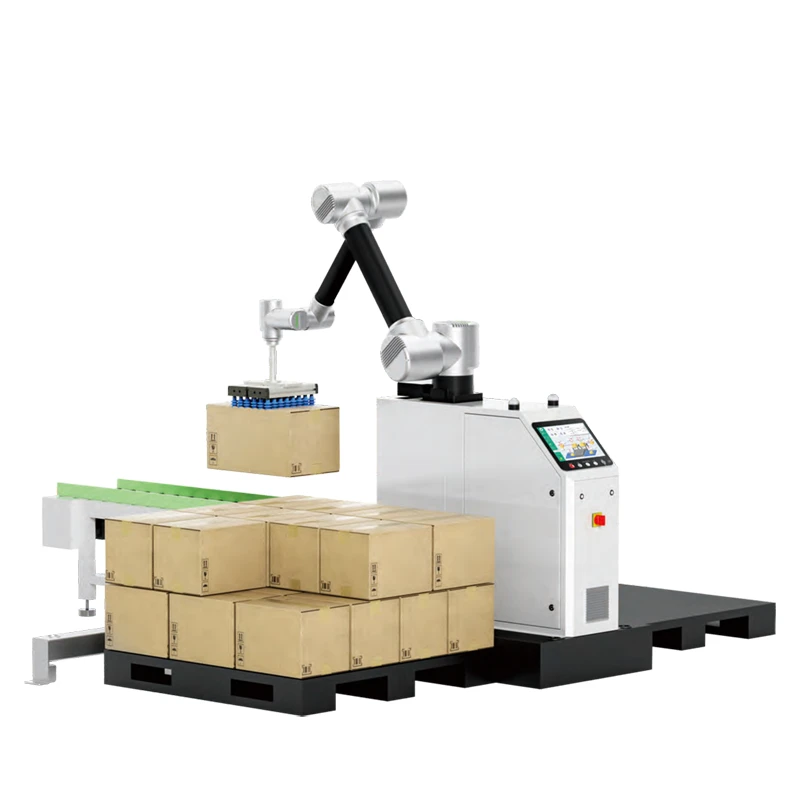
Moreover, cobots can be easily integrated with other automation technologies, such as sensors, vision systems, and conveyor belts. This interoperability allows businesses to create more complex and automated production lines, which can be scaled up or down depending on production volumes. For instance, a cobot equipped with a vision system can be used to pick and place products on a conveyor belt, while another cobot can be used to perform quality inspection tasks. By integrating these cobots with other automation equipment, businesses can create a seamless and efficient production process that can be easily adjusted to meet changing market demands.
3. Scalability in Payload and Reach
Cobots are available in a wide range of payloads and reaches, which provides businesses with the flexibility to choose the right cobot for their specific application. As your business grows and the requirements of your tasks change, you can easily upgrade to a cobot with a higher payload or longer reach.
For example, a business that initially uses a cobot with a payload capacity of 5 kg for light assembly tasks might need to upgrade to a cobot with a payload capacity of 10 kg or more as the size and weight of the products increase. Similarly, if your production process requires the cobot to reach a greater distance, you can choose a cobot with a longer reach. This scalability in payload and reach allows businesses to future-proof their cobot investment and ensure that the cobot can continue to meet their evolving needs.
4. Software and Connectivity
The software and connectivity capabilities of cobots play a crucial role in their scalability. Modern cobots are equipped with advanced software that allows for remote monitoring, programming, and diagnostics. This means that businesses can manage their cobot fleet from a central location, regardless of where the cobots are deployed.
For example, a business with multiple production facilities can use a single software platform to monitor the performance of all its cobots, schedule maintenance tasks, and make programming changes. This centralized management approach simplifies the operation and maintenance of the cobots, making it easier for businesses to scale their deployment across multiple locations.
In addition, cobots can be connected to the Internet of Things (IoT), which enables them to collect and analyze data from various sources. This data can be used to optimize the performance of the cobots, predict maintenance needs, and improve overall production efficiency. For instance, by analyzing data on the cobot's speed, torque, and cycle time, businesses can identify opportunities for improvement and make data-driven decisions to scale their operations.
5. Support and Training
As a cobot supplier, we understand that scalability also depends on the availability of support and training. We offer comprehensive support services to our customers, including technical support, maintenance, and software updates. Our team of experts is available to assist customers with any questions or issues they may encounter, ensuring that their cobots are always operating at peak performance.
In addition, we provide training programs to help customers get the most out of their cobots. Our training courses cover everything from basic programming and operation to advanced applications and troubleshooting. By providing our customers with the knowledge and skills they need to use our cobots effectively, we enable them to scale their operations with confidence.
Conclusion
In conclusion, the scalability aspects of cobots make them an attractive option for businesses looking to increase productivity, efficiency, and flexibility. Their flexibility in application, ease of integration, scalability in payload and reach, software and connectivity capabilities, and support and training services all contribute to their ability to adapt to changing business needs.
If you're considering investing in cobots for your business, I encourage you to contact us to learn more about our products and services. Our team of experts can help you assess your needs, recommend the right cobot solution for your application, and provide you with the support and training you need to succeed. Let's work together to scale your business and achieve your production goals.
References
- "Collaborative Robots: A New Era in Industrial Automation," by John Smith, published in Manufacturing Technology Journal, 2022.
- "The Future of Cobots: Trends and Technologies," by Jane Doe, published in Robotics and Automation Magazine, 2023.
- Industry reports and whitepapers from leading cobot manufacturers and research firms.