

Okay, here's the blog:
Hey there! As a supplier of CNC Tending Robot, I'm super stoked to chat about how these amazing machines interact with CNC machines. It's a topic that's not only fascinating but also crucial for anyone looking to boost efficiency and productivity in the manufacturing world.
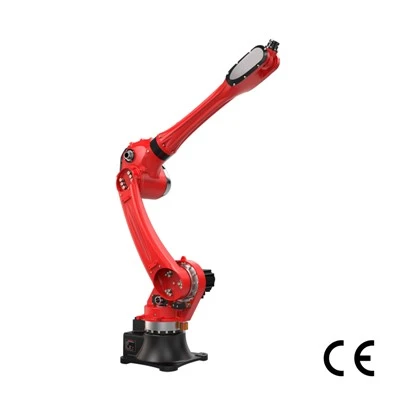
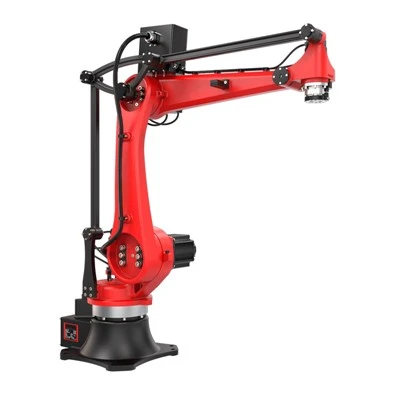
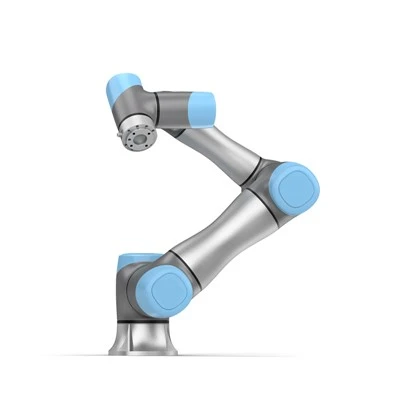
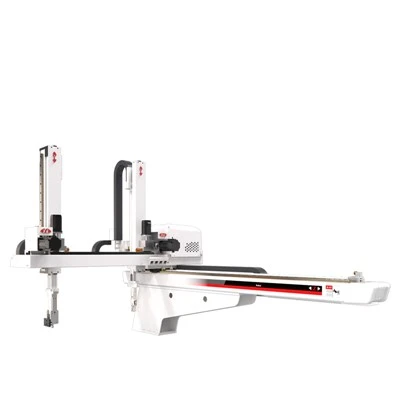
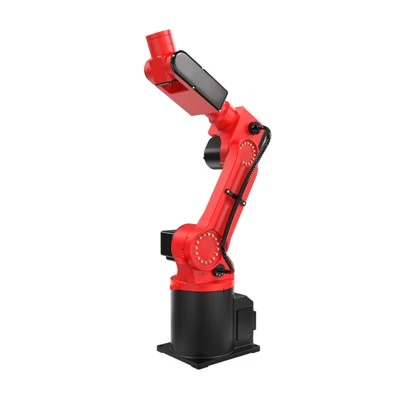
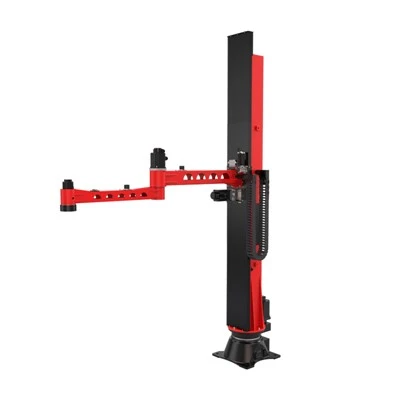
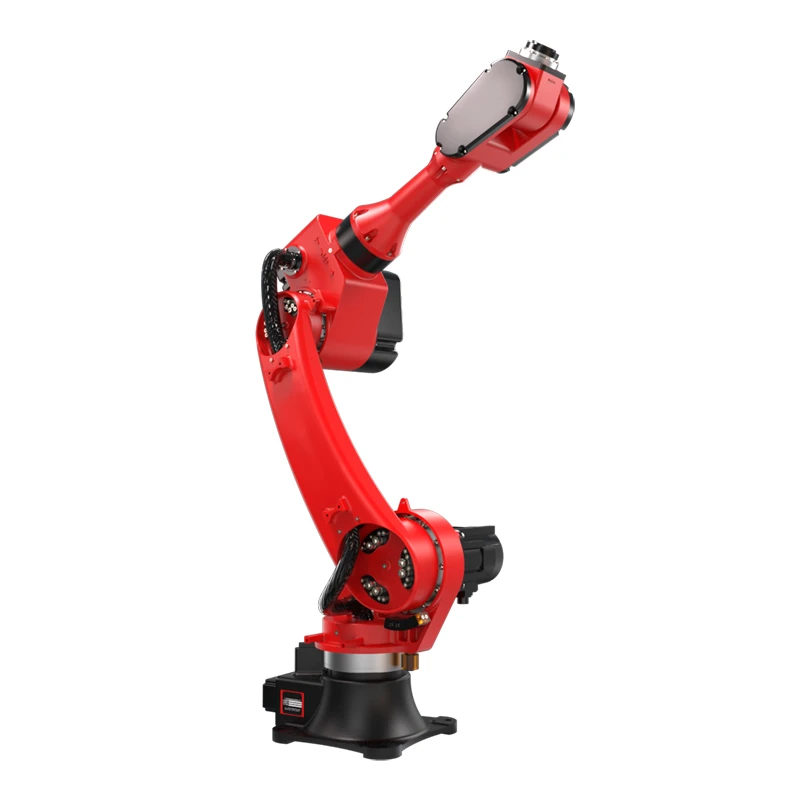
Let's start with the basics. A CNC Tending Robot is designed to automate the process of loading and unloading workpieces into and out of CNC machines. This might sound simple, but it involves a whole lot of precision and coordination.
1. Initial Setup and Programming
Before a CNC Tending Robot can start working with a CNC machine, it needs to be set up properly. First off, we need to install the robot in a suitable location near the CNC machine. The robot should have enough space to move freely without any obstructions.
Once it's installed, we have to program it. This is where the magic happens. We use specialized software to teach the robot the exact movements it needs to make. For example, we'll tell it where to pick up the raw workpiece, how to position it correctly in the CNC machine, and where to place the finished part after machining is done.
The programming also takes into account the safety aspects. We set up boundaries and safety zones so that the robot doesn't collide with the CNC machine or any other equipment in the workspace.
2. Communication Interface
One of the key elements in the interaction between a CNC Tending Robot and a CNC machine is the communication interface. This is how the two machines talk to each other and coordinate their actions.
Most modern robots and CNC machines use a standard communication protocol, such as Ethernet/IP or Profinet. These protocols allow the robot and the CNC machine to exchange data in real - time. For example, the CNC machine can send a signal to the robot when it's ready to receive a new workpiece, and the robot can send a confirmation once the workpiece has been loaded.
This real - time communication ensures that the entire process runs smoothly and efficiently. There's no waiting around or unnecessary delays, which means more parts can be produced in less time.
3. Workpiece Handling
The CNC Tending Robot uses various tools and end - effectors to handle the workpieces. These can range from simple grippers to more complex vacuum cups or magnetic chucks, depending on the shape, size, and material of the workpiece.
When it's time to pick up a workpiece, the robot moves its arm to the designated location. The end - effector then activates and securely grips the workpiece. The robot then carefully moves the workpiece to the CNC machine.
Once at the CNC machine, the robot has to position the workpiece with extreme accuracy. This is because the CNC machine needs to perform precise machining operations on the workpiece, and even a small misalignment can lead to defective parts. The robot uses sensors and feedback systems to ensure that the workpiece is placed exactly where it needs to be.
4. Loading and Unloading Process
The loading process is a well - choreographed dance between the robot and the CNC machine. The robot approaches the CNC machine with the workpiece, and the machine opens its door or workholding device. The robot then inserts the workpiece into the workholding device, and the CNC machine clamps it securely.
After the machining process is complete, the CNC machine sends a signal to the robot indicating that the part is ready to be unloaded. The robot then moves back to the CNC machine, releases the clamping mechanism, and carefully removes the finished part.
The robot can then place the finished part in a designated area, such as a conveyor belt, a pallet, or a quality control station. This entire loading and unloading process can be repeated over and over again with high precision and consistency, which is a huge advantage in mass production.
5. Monitoring and Error Handling
Throughout the interaction between the CNC Tending Robot and the CNC machine, we need to monitor the process to ensure everything is going smoothly. The robot and the CNC machine are equipped with various sensors that can detect issues such as collisions, incorrect workpiece placement, or tool wear.
If an error occurs, the system can automatically stop the operation to prevent further damage. The robot can then send an alert to the operator, who can investigate the problem and take corrective action. This proactive approach to error handling helps to minimize downtime and keep production running smoothly.
6. Integration with Other Systems
In many manufacturing environments, the CNC Tending Robot doesn't work in isolation. It's often integrated with other systems, such as conveyor systems, inspection equipment, and inventory management systems.
For example, a conveyor system can be used to continuously supply raw workpieces to the robot's pick - up location. After the robot unloads the finished parts, they can be sent directly to an inspection station for quality control. The inventory management system can keep track of the number of workpieces and finished parts, ensuring that there's always a sufficient supply.
This integration of multiple systems creates a seamless manufacturing process, where the CNC Tending Robot plays a central role in coordinating the flow of work.
7. Advantages of Using a CNC Tending Robot
There are several advantages to using a CNC Tending Robot to interact with CNC machines.
Increased Productivity: The robot can work 24/7 without getting tired or taking breaks. It can also perform the loading and unloading process much faster than a human operator, which means more parts can be produced in a given time.
Improved Quality: The robot's high level of precision and consistency ensures that each workpiece is loaded and unloaded exactly the same way every time. This reduces the chances of human error and leads to higher - quality finished parts.
Enhanced Safety: By automating the loading and unloading process, the risk of accidents and injuries to human operators is significantly reduced. The robot is designed to work within a safe environment and can detect and avoid potential hazards.
Cost Savings: Although the initial investment in a CNC Tending Robot can be significant, the long - term cost savings are substantial. The increased productivity, improved quality, and reduced labor costs all contribute to a lower overall cost per part.
Conclusion
In conclusion, the interaction between a CNC Tending Robot and a CNC machine is a complex but highly efficient process. From the initial setup and programming to the continuous monitoring and integration with other systems, every step is carefully designed to ensure maximum productivity and quality.
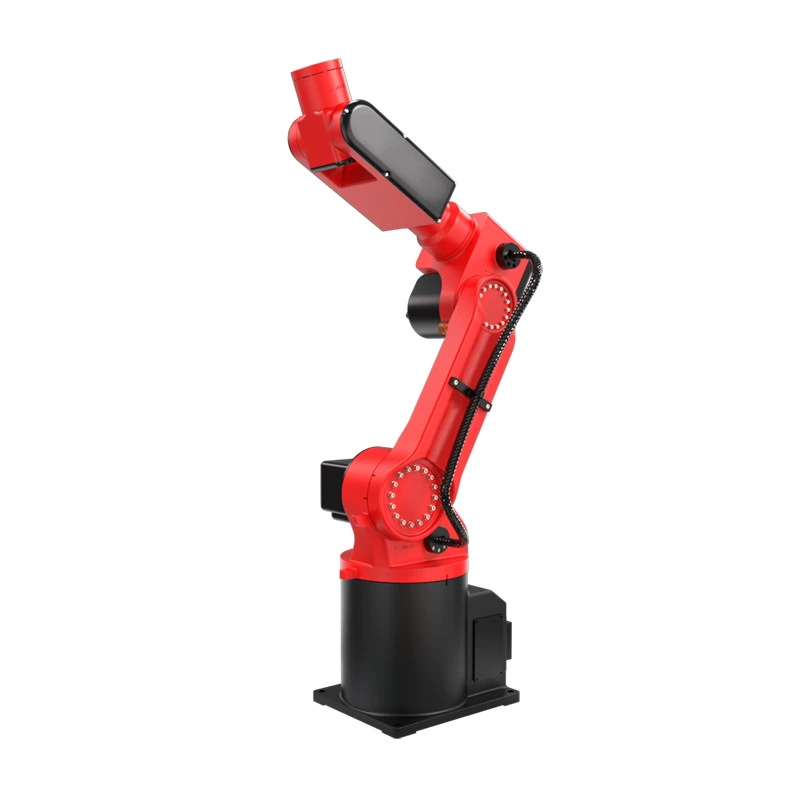
If you're in the manufacturing industry and looking to take your production to the next level, a CNC Tending Robot could be the solution you've been searching for. It offers a wide range of benefits that can help you stay competitive in today's market.
If you're interested in learning more about our CNC Tending Robots, CNC Robot Arms, or CNC Machine Tending Robots, don't hesitate to reach out. We're more than happy to discuss your specific needs and see how our robots can fit into your production process.
References
- "Automation in CNC Machining: The Role of Tending Robots" by Manufacturing Technology Journal
- "Robot - Machine Interaction in Modern Manufacturing" by Robotics Research Institute