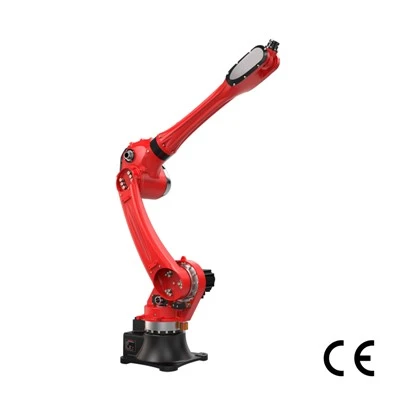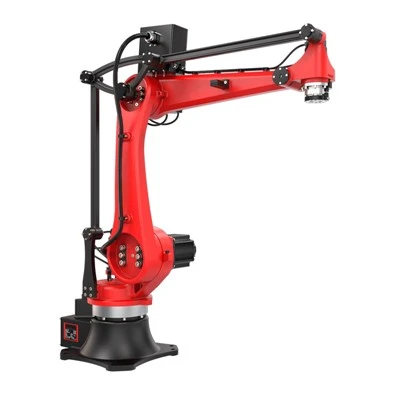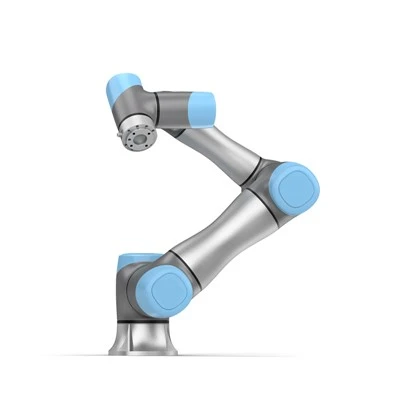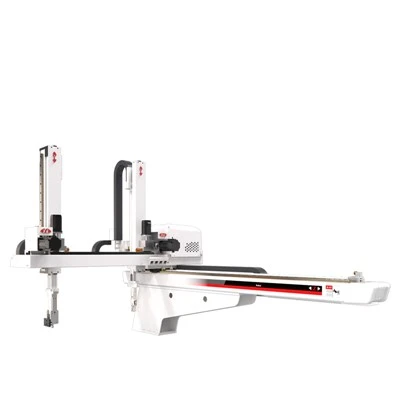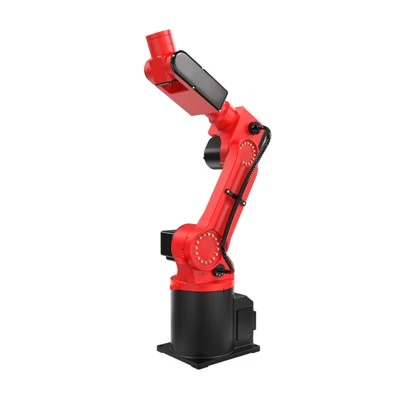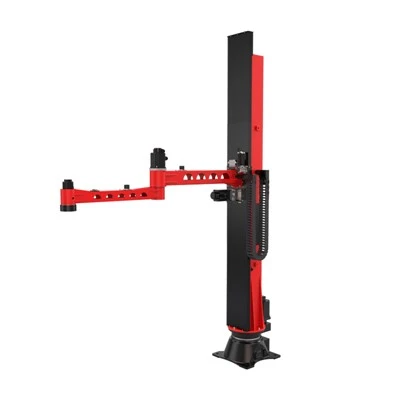


Hey there! As a supplier of CNC Robot Arm, I'm super excited to chat about how these amazing machines optimize energy consumption. In today's world, where energy efficiency is not just a buzzword but a necessity, understanding how our CNC robot arms save power is crucial.
First off, let's talk about what a CNC robot arm is. It's a highly versatile piece of industrial equipment used for various tasks like CNC Tending, CNC Loading, Machine Tending, and Loading and Unloading. These robots are designed to work with precision, speed, and reliability, but they also come with some great energy - saving features.
One of the primary ways a CNC robot arm optimizes energy consumption is through advanced motion control. These robots are programmed to move in the most efficient way possible. Unlike human operators who might take a more meandering path, a CNC robot arm follows a pre - defined, straight - line path between points. This reduces the amount of unnecessary movement, which in turn cuts down on the energy used. For example, when a robot is loading a part into a CNC machine, it moves directly to the loading point without any extra twists or turns. This direct movement saves both time and energy because the motors powering the robot's joints don't have to work as hard.
Another key factor is the use of high - efficiency motors and drives. Modern CNC robot arms are equipped with state - of the - art servo motors and variable frequency drives (VFDs). Servo motors are known for their ability to provide precise control of speed and torque. They only consume the energy needed to perform a specific task. For instance, if a robot is lifting a light part, the servo motor adjusts its power output accordingly. VFDs are also a game - changer. They can adjust the speed of the motor based on the actual load requirements. So, if the robot doesn't need to move at full speed all the time, the VFD reduces the motor's speed, which significantly cuts down on energy consumption.
The integration of intelligent sensors also plays a huge role in energy optimization. These sensors can detect things like the position of the workpiece, the load on the robot arm, and the environmental conditions. For example, force sensors can measure the amount of force the robot is applying when gripping a part. If the sensor detects that too much force is being used, the robot can adjust its grip strength, which saves energy. Additionally, proximity sensors can detect when the robot is close to an object and slow down the movement, reducing the risk of collision and saving energy at the same time.
Regenerative braking is yet another cool feature that helps save energy. When a CNC robot arm decelerates during its movement, the motors act as generators and convert the kinetic energy back into electrical energy. This regenerated energy can then be fed back into the power supply system or used to power other components of the robot. It's like getting a second - hand use of the energy that would otherwise be wasted as heat.
Moreover, modern CNC robot arms come with advanced software that can optimize the overall operation of the robot. This software can analyze the production process and identify the most energy - efficient way to complete tasks. It can schedule the robot's movements in a way that minimizes idle time and maximizes productivity. For example, if there are multiple tasks to be done, the software can sequence them in an order that allows the robot to stay in a power - saving mode for as long as possible between tasks.
Let's take a real - world example. Imagine a manufacturing plant that uses a CNC robot arm for loading and unloading parts from a CNC milling machine. Without the energy - saving features, the robot would consume a large amount of electricity just to keep moving continuously. However, with advanced motion control, high - efficiency motors, sensors, and regenerative braking, the same robot can reduce its energy consumption by up to 30%. This not only saves money on electricity bills but also reduces the environmental impact of the manufacturing process.
When it comes to maintenance, a well - maintained CNC robot arm also consumes less energy. Regularly lubricating the joints, checking the alignment of the robot's components, and ensuring that the motors and drives are in good working condition can all contribute to better energy efficiency. A worn - out motor or a misaligned joint can cause the robot to work harder than necessary, leading to increased energy consumption.
In addition to the technical features, the way a company uses a CNC robot arm also affects energy consumption. For example, proper training of operators is essential. If operators understand how to program the robot to use energy - saving modes and optimize its movements, they can further reduce energy usage. Also, having a well - planned production schedule can ensure that the robot is used efficiently, minimizing idle time and unnecessary operations.
Now, if you're in the market for a CNC robot arm, you might be wondering how all these energy - saving features translate into cost savings for your business. Well, let's do some quick math. If your current production process is using a less - efficient system and you switch to one of our CNC Robot Arm, you could potentially save thousands of dollars in electricity costs over the lifespan of the robot. And that's not even counting the increased productivity and reduced downtime that come with using a high - quality, energy - efficient robot.
Energy optimization is not just about being eco - friendly; it's also about running a more profitable business. By investing in a CNC robot arm with advanced energy - saving features, you're not only doing your part for the environment but also improving your bottom line.
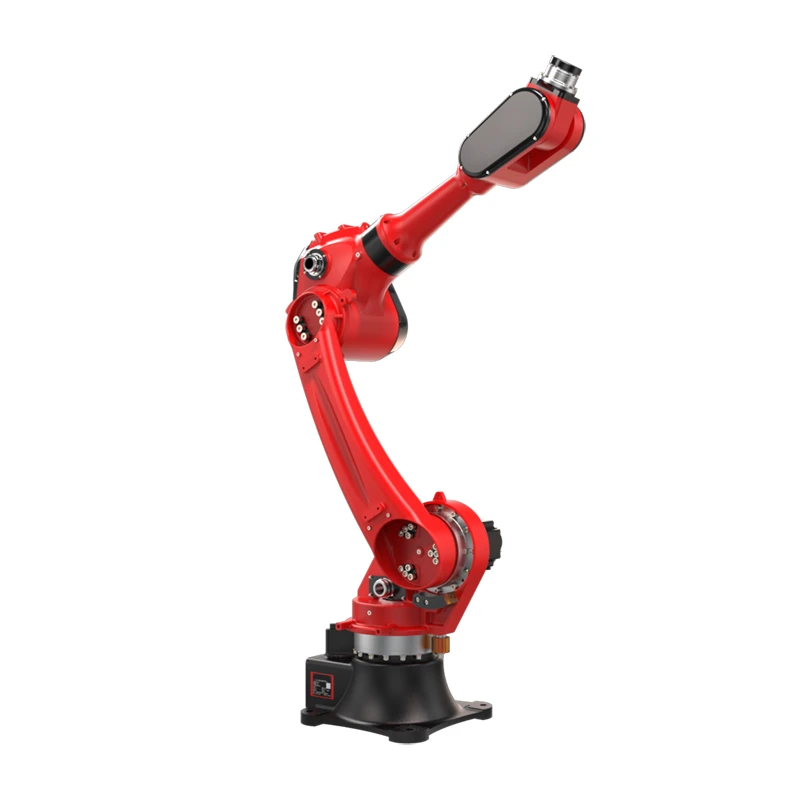
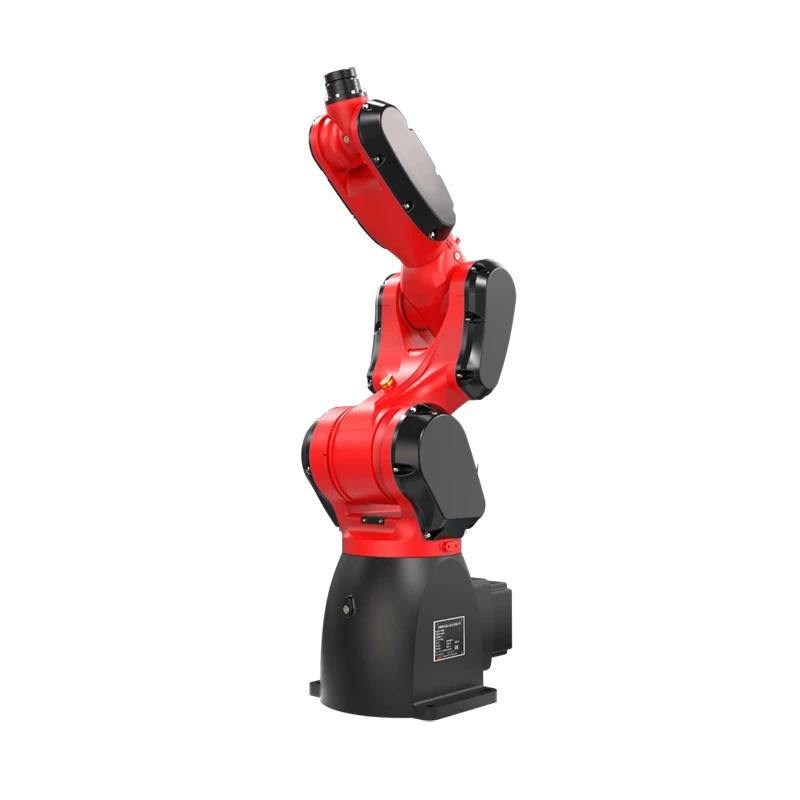
If you're interested in learning more about our CNC robot arms and how they can optimize energy consumption for your business, we'd love to have a chat with you. Whether you're looking for a CNC Tending Robot, CNC Loading Robot, Machine Tending Robot, or Loading and Unloading Robot, we've got the perfect solution for you. Reach out to us for a consultation and let's start optimizing your energy consumption together.
References:
- "Industrial Robotics: Technology, Programming, and Applications" by Peter Corke
- "Energy - Efficient Manufacturing: Technologies and Strategies" by various industry experts