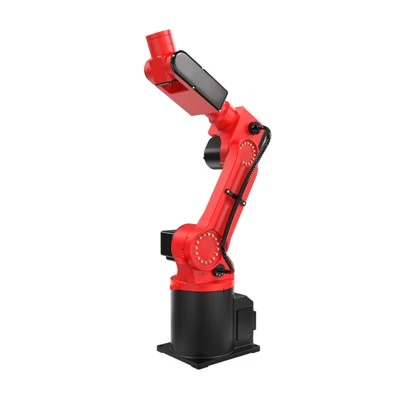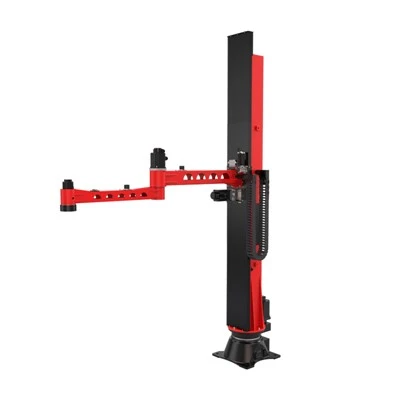


Hey there! As a supplier of Sprue Picker Robots, I often get asked about the learning curve for operating these nifty machines. So, I thought I'd share my insights and experiences to give you a better idea of what to expect.
Understanding the Basics
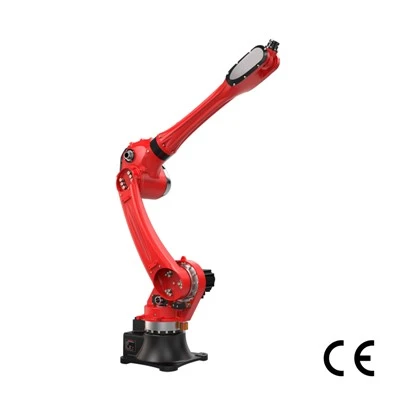
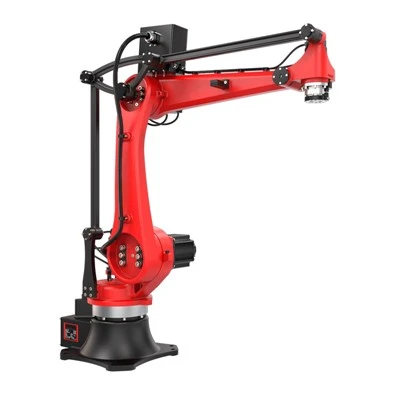
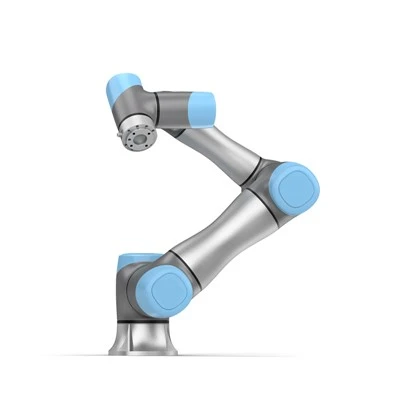
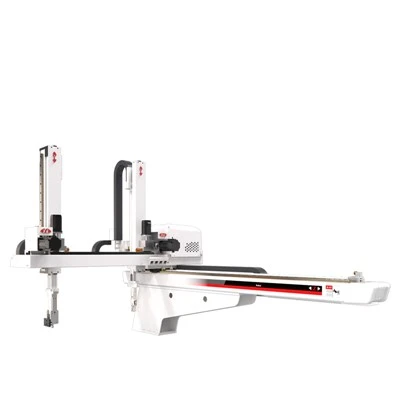
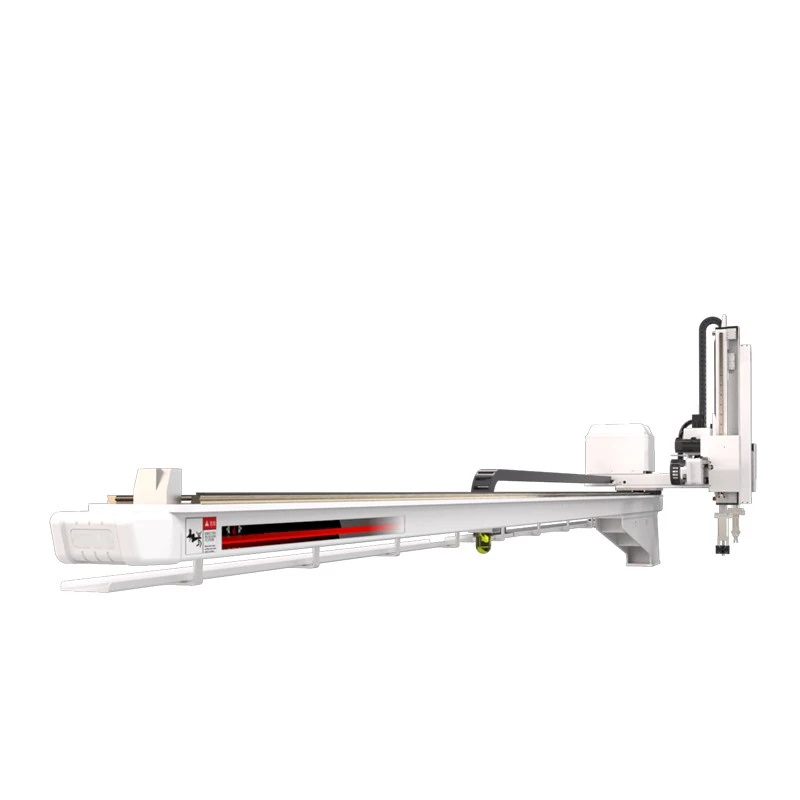
First things first, let's talk about what a Sprue Picker Robot actually does. In the world of plastic injection molding, sprues are the excess plastic that forms in the channels of the mold during the injection process. A Sprue Picker Robot is designed to quickly and efficiently remove these sprues from the mold, allowing for a smoother and more productive manufacturing process.
If you're new to the world of robotics, the idea of operating a Sprue Picker Robot might seem a bit daunting at first. But don't worry! With the right training and a bit of practice, you'll be up and running in no time.
The Initial Learning Phase
When you first start working with a Sprue Picker Robot, the learning curve can be a bit steep. You'll need to familiarize yourself with the robot's controls, programming interface, and safety features. Most Sprue Picker Robots come with a user manual that provides detailed instructions on how to operate the machine, but it's also a good idea to take advantage of any training courses or resources offered by the manufacturer.
During the initial learning phase, you'll likely spend a lot of time practicing basic tasks, such as moving the robot's arm to different positions, picking up and placing sprues, and adjusting the robot's speed and force settings. It's important to take your time and practice these tasks until you feel comfortable and confident using the robot.
Programming the Robot
One of the most important aspects of operating a Sprue Picker Robot is programming. Programming allows you to customize the robot's movements and actions to suit your specific manufacturing needs. Depending on the complexity of your application, programming a Sprue Picker Robot can range from relatively simple to quite complex.
Most Sprue Picker Robots come with a programming interface that allows you to create and edit programs using a graphical user interface (GUI). This makes it easy to visualize the robot's movements and make adjustments as needed. Some robots also support programming languages such as Python or C++, which can be used to create more advanced programs.
If you're new to programming, it might take a bit of time to learn the basics. But don't worry! There are plenty of resources available online, such as tutorials and forums, that can help you get started. You can also reach out to the manufacturer's technical support team for assistance.
Integrating the Robot into Your Production Line
Once you've mastered the basics of operating and programming the Sprue Picker Robot, the next step is to integrate it into your production line. This involves connecting the robot to your injection molding machine and other equipment, such as conveyors and sorting systems.
Integrating a Sprue Picker Robot into your production line can be a complex process, especially if you have an existing manufacturing setup. It's important to work closely with the manufacturer's technical support team to ensure that the robot is properly installed and configured. They can also provide you with guidance on how to optimize the robot's performance and integrate it with your existing equipment.
Ongoing Training and Support
Even after you've successfully integrated the Sprue Picker Robot into your production line, it's important to continue learning and improving your skills. The manufacturer may offer ongoing training courses and support to help you stay up-to-date with the latest technology and best practices.
In addition to formal training, it's also a good idea to stay connected with other users of Sprue Picker Robots. You can join online forums and communities to share your experiences, ask questions, and learn from others. This can be a great way to stay informed about the latest trends and developments in the industry.
The Learning Curve in Practice
So, what does the learning curve for operating a Sprue Picker Robot look like in practice? Well, it really depends on a variety of factors, such as your prior experience with robotics, the complexity of your application, and the level of support you receive from the manufacturer.
For someone with no prior experience with robotics, the initial learning phase can take anywhere from a few days to a few weeks. During this time, you'll need to focus on learning the basics of operating the robot, programming it, and integrating it into your production line.
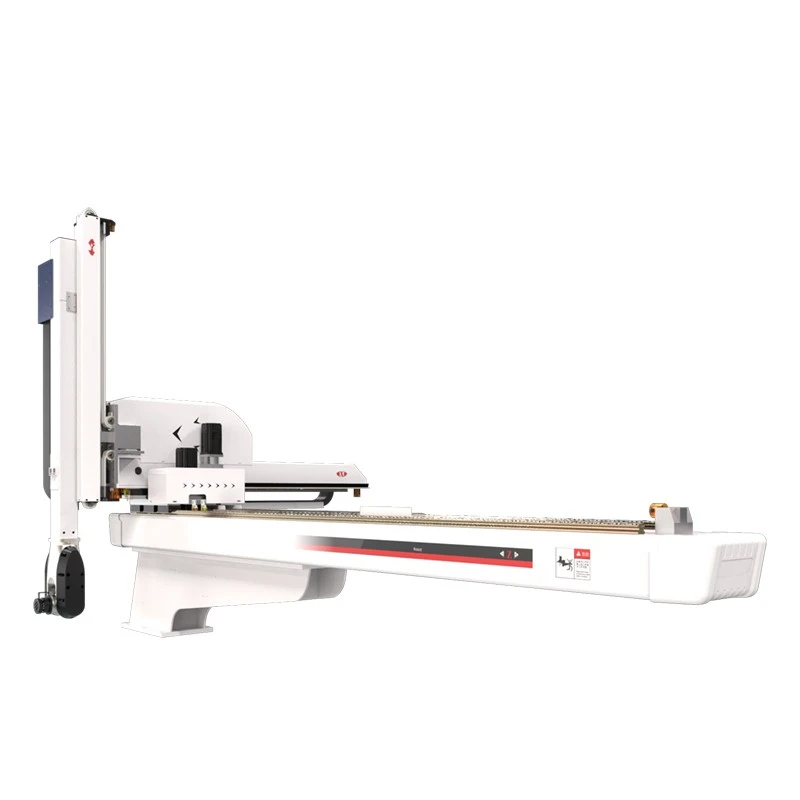
Once you've mastered the basics, the learning curve starts to flatten out. You'll continue to learn and improve your skills over time, but the rate of learning will slow down. With regular practice and ongoing training, you'll be able to operate the Sprue Picker Robot with ease and efficiency.
Conclusion
In conclusion, the learning curve for operating a Sprue Picker Robot can be a bit steep at first, but with the right training and a bit of practice, it's definitely achievable. Whether you're a seasoned robotics expert or a complete beginner, there are plenty of resources available to help you learn and succeed.
If you're interested in learning more about Sprue Picker Robots or are considering purchasing one for your manufacturing operation, I encourage you to check out our website Sprue Picker Robot. We offer a wide range of Sprue Picker Robots to suit your specific needs, as well as training and support to help you get the most out of your investment.
If you have any questions or would like to discuss your options further, please don't hesitate to reach out. We'd be happy to help you find the right Sprue Picker Robot for your business and provide you with the support you need to succeed.
References
- Manufacturer's user manual for Sprue Picker Robot
- Online tutorials and forums on robotics programming
- Industry publications and research on plastic injection molding and robotics