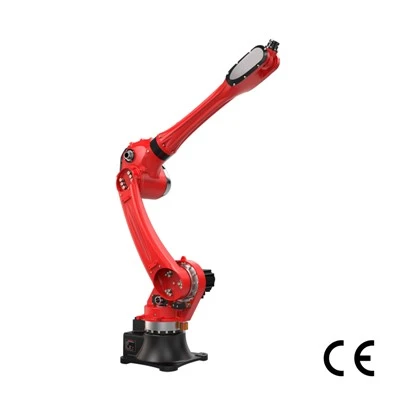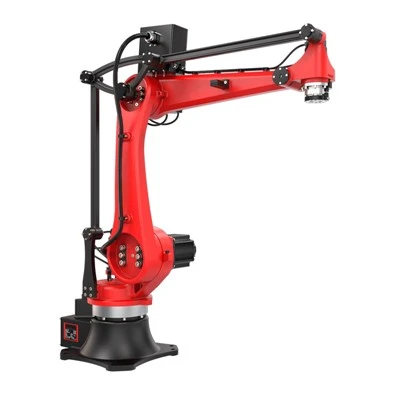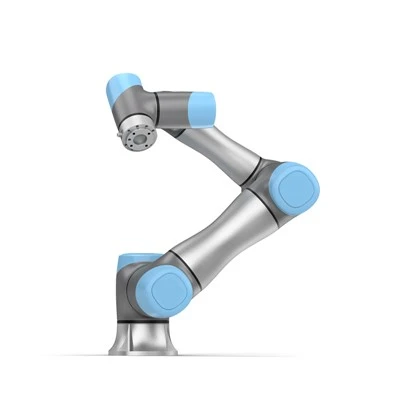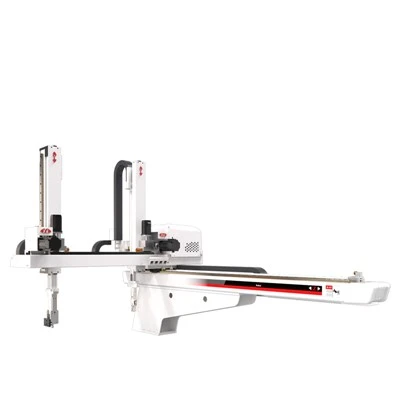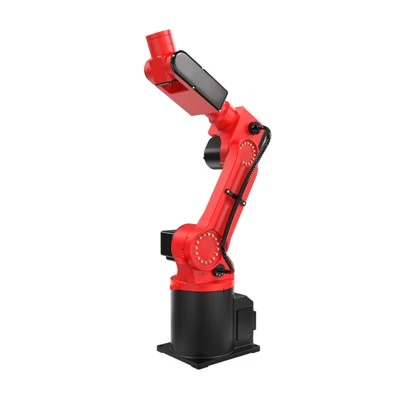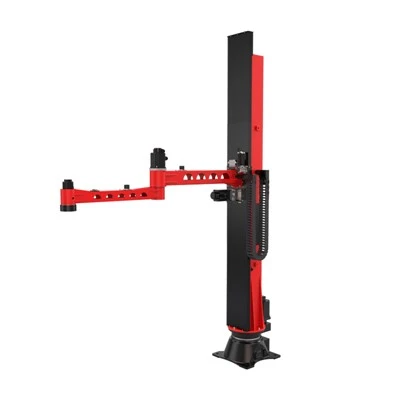


Hey there! As a supplier of Molding Machine Robots, I've seen firsthand the ins and outs of using these nifty machines in the composite material molding process. It's a cool technology, but like anything, it comes with its fair share of difficulties. Let's dive right in and take a look at what they are.
1. Compatibility Issues
One of the biggest headaches when using a Molding Machine Robot in composite material molding is compatibility. Composite materials can be pretty finicky, and not all robots are designed to handle them. For example, some composite materials require specific temperature and pressure conditions during the molding process. If the robot isn't calibrated to work within these parameters, it can lead to all sorts of problems.
The robot's grippers and end - effectors also need to be compatible with the composite parts. Composite materials can be brittle or have unique shapes, so a one - size - fits - all gripper won't cut it. You might need custom - designed grippers to handle these parts properly. And if you're using a robot that's more suited for traditional materials like plastics, you could end up damaging the composite parts during handling.
2. Programming Complexity
Programming a Molding Machine Robot for composite material molding is no walk in the park. Unlike simple pick - and - place operations, the molding process involves multiple steps, such as pre - heating, laying up the composite layers, and applying pressure. Each of these steps needs to be precisely programmed into the robot's control system.
Composite materials also have different properties depending on their composition. For instance, carbon fiber composites have different stiffness and strength characteristics compared to fiberglass composites. This means that the programming has to take into account these material properties to ensure a successful molding process.
Moreover, the programming often needs to be adjusted for different part designs. If you're producing a variety of composite parts, you'll have to spend a significant amount of time re - programming the robot for each new design. This can slow down production and increase costs.
3. Maintenance and Downtime
Just like any piece of machinery, Molding Machine Robots require regular maintenance. In the composite material molding process, the robot is exposed to harsh conditions, such as high temperatures and abrasive composite fibers. These conditions can cause wear and tear on the robot's components, like the motors, gears, and sensors.
When a robot breaks down, it can bring your production line to a halt. And in the composite material molding industry, downtime can be extremely costly. Not only do you lose production time, but you also have to pay for the repair and replacement of parts.
To minimize downtime, you need to have a well - planned maintenance schedule. But even with regular maintenance, unexpected breakdowns can still occur. And finding the right technicians to repair a specialized Molding Machine Robot can be a challenge.
4. Safety Concerns
Safety is a major issue when using a Molding Machine Robot in composite material molding. Composite materials can release harmful fumes during the molding process, especially when heated. If the robot is not properly enclosed or if there is no adequate ventilation system, these fumes can pose a health risk to the operators.
The robot itself can also be a safety hazard. It has moving parts that can cause serious injuries if an operator gets too close. And since the robot is programmed to perform specific tasks, there is a risk of it malfunctioning and causing an accident.
To ensure safety, you need to have proper safety protocols in place. This includes installing safety guards around the robot, providing operators with personal protective equipment, and training them on how to operate the robot safely.
5. Cost
Let's talk about money. Molding Machine Robots are not cheap. The initial purchase cost of a high - quality robot can be quite substantial. And that's not all. You also have to factor in the cost of programming, installation, and maintenance.
In addition, if you need custom - designed grippers or other specialized components for the composite material molding process, the cost can go up even more. For small and medium - sized businesses, these costs can be a significant barrier to adopting Molding Machine Robots.
However, it's important to note that in the long run, the use of a Molding Machine Robot can lead to cost savings. It can increase production efficiency, reduce labor costs, and improve the quality of the composite parts. But the upfront investment can be a tough pill to swallow.
6. Integration with Existing Systems
Many manufacturing facilities already have existing production systems in place. Integrating a Molding Machine Robot into these systems can be a challenge. The robot needs to communicate with other machines, such as the molding press, the conveyor belt, and the quality control equipment.
If the communication protocols between the robot and the existing systems are not compatible, it can lead to synchronization issues. For example, the robot might not pick up the composite parts at the right time, or it might not place them in the correct position in the molding press.
To ensure smooth integration, you need to work closely with the system integrators. They can help you select the right robot and configure it to work with your existing production systems.
Sprue Picker Robot, Plastic Injection Robot, and Imm Robot
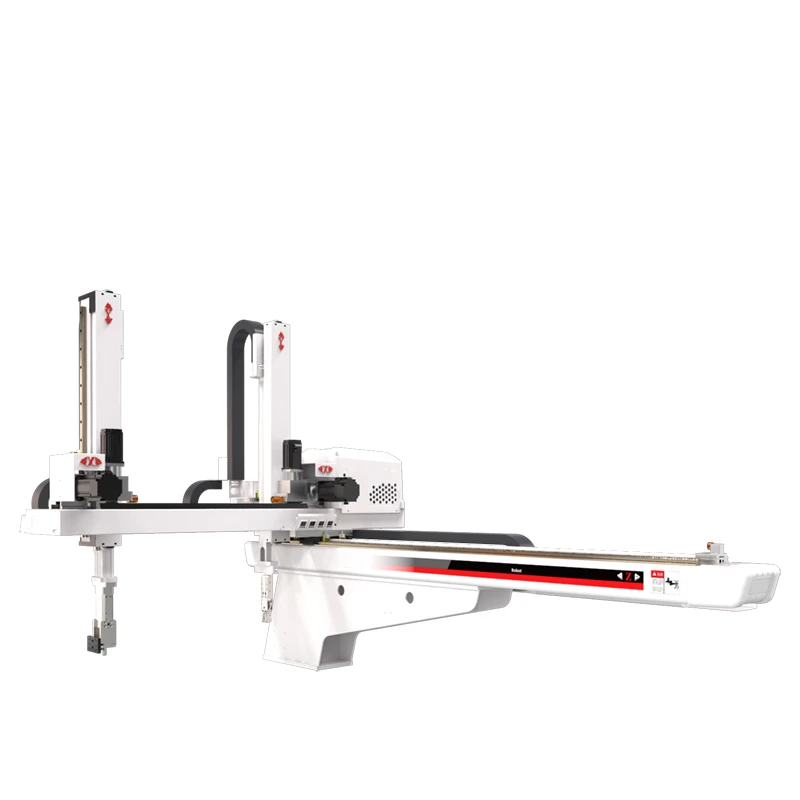
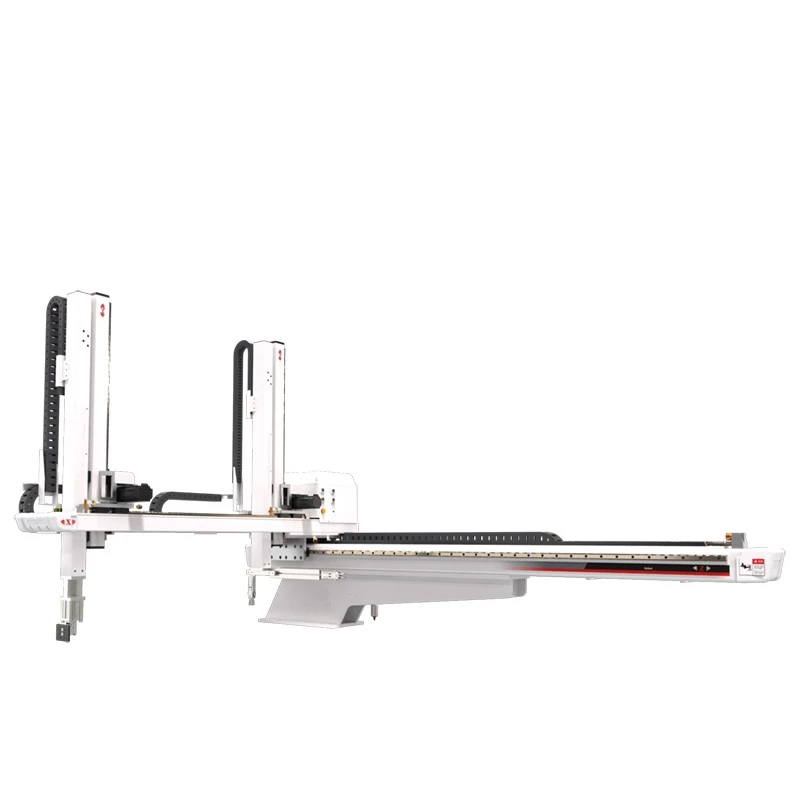
If you're looking for solutions to some of these difficulties, you might want to check out our Sprue Picker Robot, Plastic Injection Robot, and Imm Robot. These robots are designed to handle different aspects of the molding process and can be customized to work with composite materials.
Conclusion
Using a Molding Machine Robot in the composite material molding process has its difficulties, but it's definitely worth the effort. With the right approach, you can overcome these challenges and reap the benefits of increased efficiency, improved quality, and reduced labor costs.
If you're interested in learning more about our Molding Machine Robots or have any questions about how to use them in your composite material molding process, don't hesitate to reach out. We're here to help you make the most of this technology. Let's have a chat and see how we can work together to solve your molding problems.
References
- Smith, J. (2020). Advanced Composite Molding Technologies. New York: Tech Press.
- Johnson, A. (2019). Robotics in Manufacturing. London: Manufacturing Books.
- Brown, C. (2021). Safety in Industrial Robotics. Sydney: Safety Publishers.